Black Wall Street, 1921
In the spring of 1921, the Greenwood District of Tulsa, Oklahoma, was the wealthiest Black community in the United States. Roughly eleven thousand Black residents lived there, in a thirty-six block district with one hundred and ninety-one Black-owned businesses, twenty-three churches, six schools, two newspapers, and one hospital. They had built it with their own money on land they owned outright.
The Avenue
Greenwood Avenue ran north from Archer Street for thirty-six blocks. The buildings were brick, two and three stories, fronted with hand-painted signage. The people who lived here had paid for them with their own money on land they owned outright. By 1921, this was the wealthiest Black community in the United States.
The Stradford Hotel
J. B. Stradford built the hotel that bore his name in 1918 with money he had earned in cotton and real estate. He intended it to be the finest hotel west of the Mississippi for Black travelers, and it was. The Stradford had sixty-five rooms, a billiard parlor, a dining hall, and a barbershop. Stradford was sixty years old in May 1921.
The Dreamland Theatre
Loula and John Williams owned the Dreamland Theatre, which seated seven hundred and fifty. They also owned the Williams Confectionery and the Williams Building, a three-story commercial property that anchored the south end of the avenue. The Dreamland showed silent films and hosted live performances and political meetings. The night of May 30, 1921, the picture playing was a Western.
The Williams Confectionery
The confectionery stayed open late into the evening. It served ice cream, candy, and sodas. After Dreamland films let out, the lines stretched onto the sidewalk. The Williams family lived in an apartment above the building.
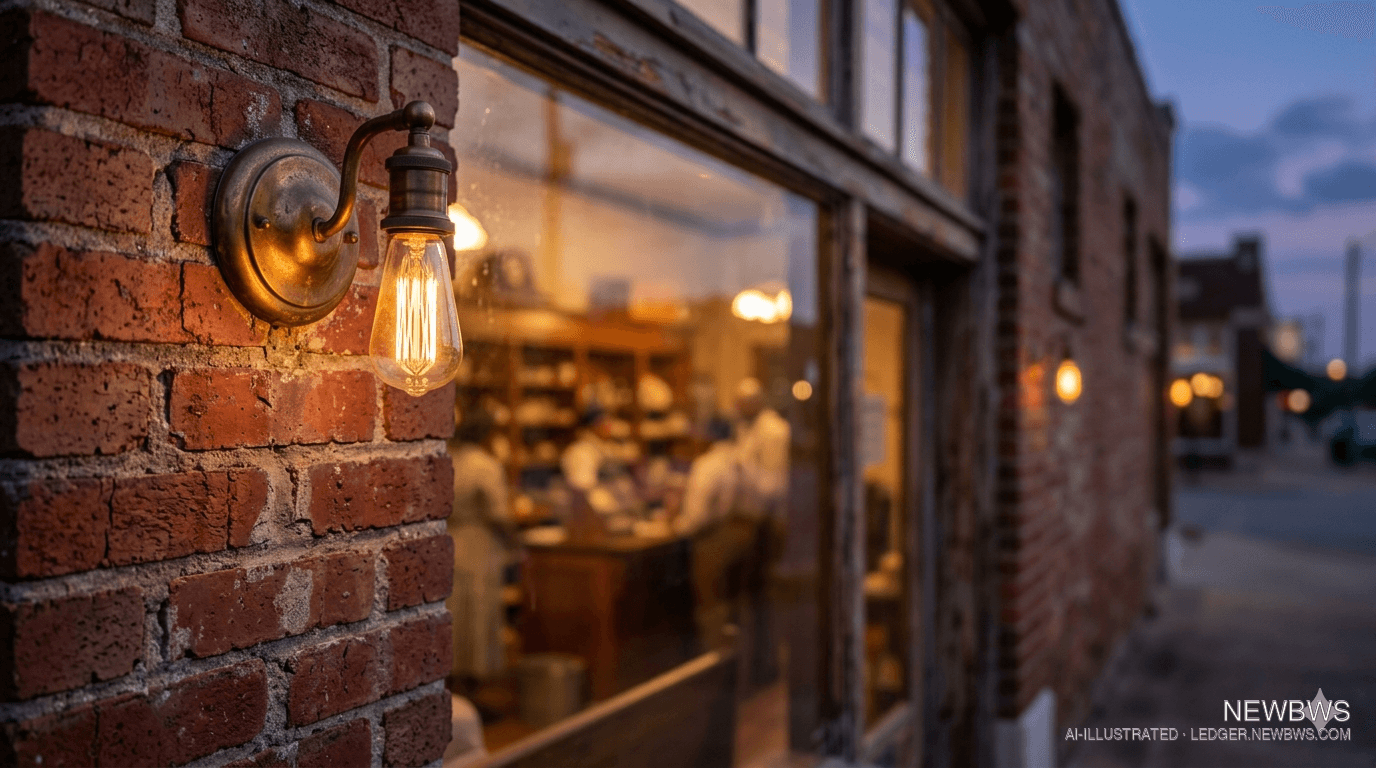
The Hand-Painted Signs
Every shop on Greenwood Avenue carried hand-painted signage. The lettering was the work of Black sign painters who traveled the district commissioning work. The signage was professional, ornamental, and intended to last. None of it would survive.
Sunday Best
Families on Greenwood Avenue dressed for the avenue the way other Americans dressed for downtown. The men wore three-piece suits. The women wore tailored dresses, gloves, and hats. The children were sent to school in starched collars and polished shoes. Black wealth in Greenwood was generational. By 1921, three generations of Black families had built it.
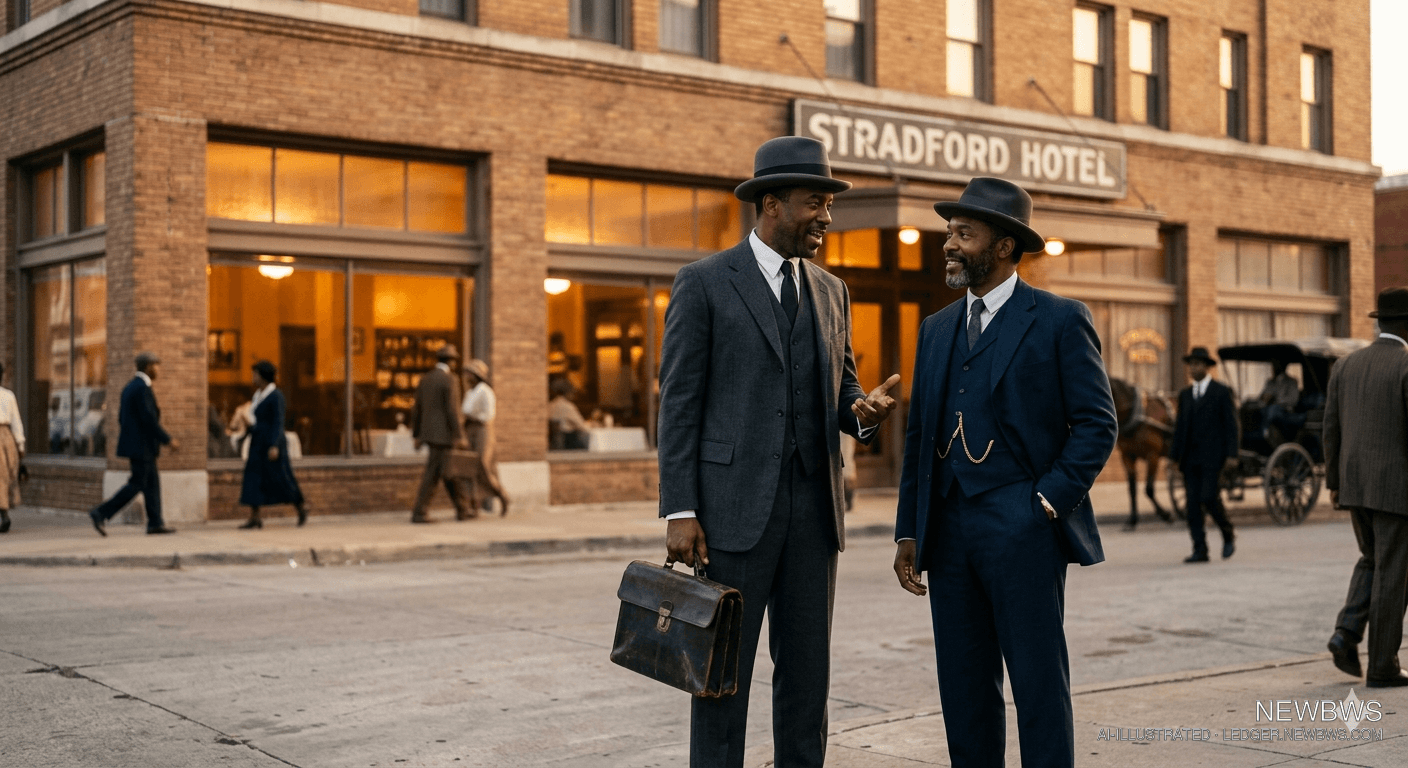
The Professional Class
Greenwood was home to dentists, lawyers, real estate agents, insurance brokers, undertakers, and small-business owners. Many had graduated from Atlanta University, Howard, Fisk, Hampton, Tuskegee, or Wilberforce. They had come west to build what they had been told they could not have. They had built it.
What Greenwood Held
By the spring of 1921, the Greenwood District contained one hundred and ninety-one Black-owned businesses, eleven thousand Black residents, thirty-six city blocks, four million five hundred thousand dollars in property value, twenty-three churches, six schools, two newspapers, and one hospital. It was the wealthiest Black community in the United States.
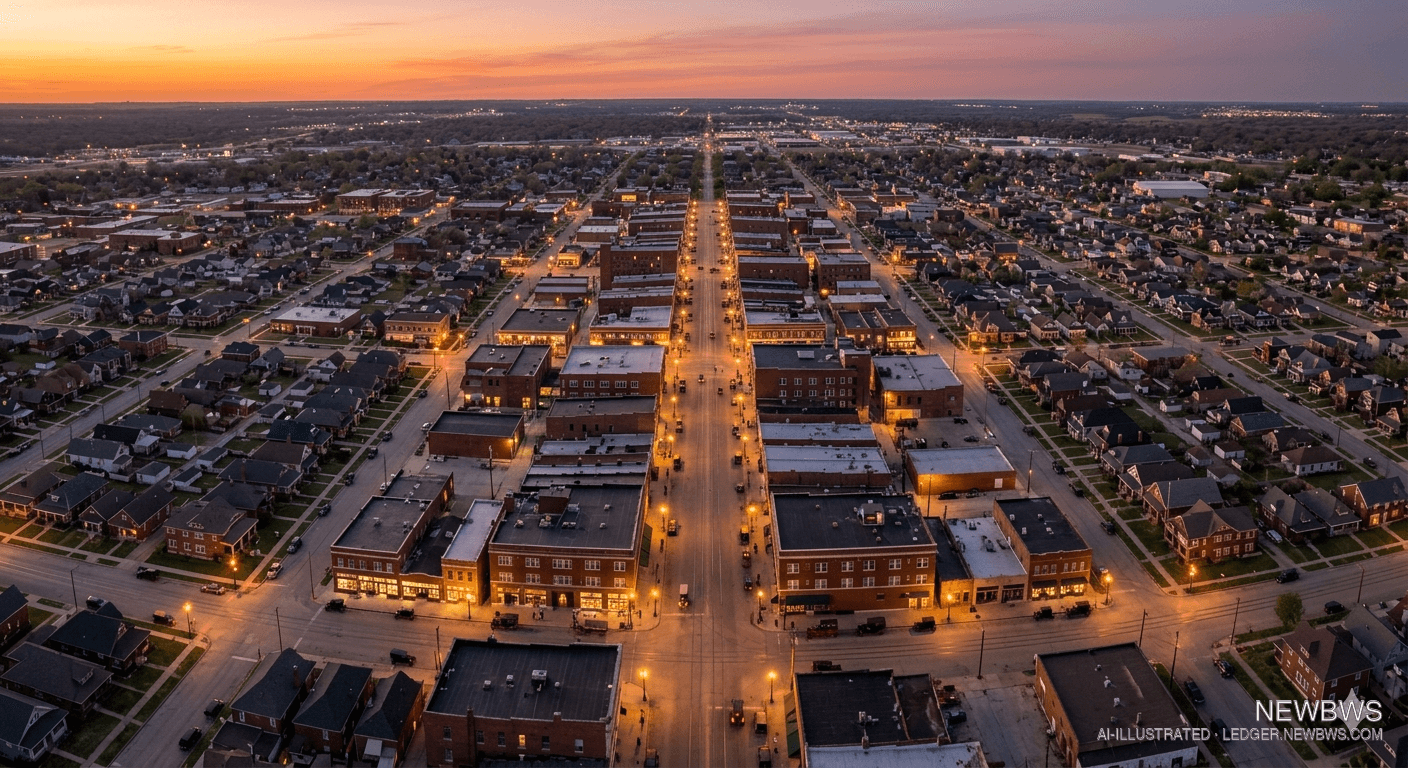
Thirty-Six Blocks
From above, Greenwood was unmistakable. The streets ran in a grid. The commercial blocks were dense with two and three-story buildings. North of the commercial district, the residential blocks held single-family homes with yards and gardens. South of the commercial district, the railroad tracks. Across the tracks, white Tulsa.
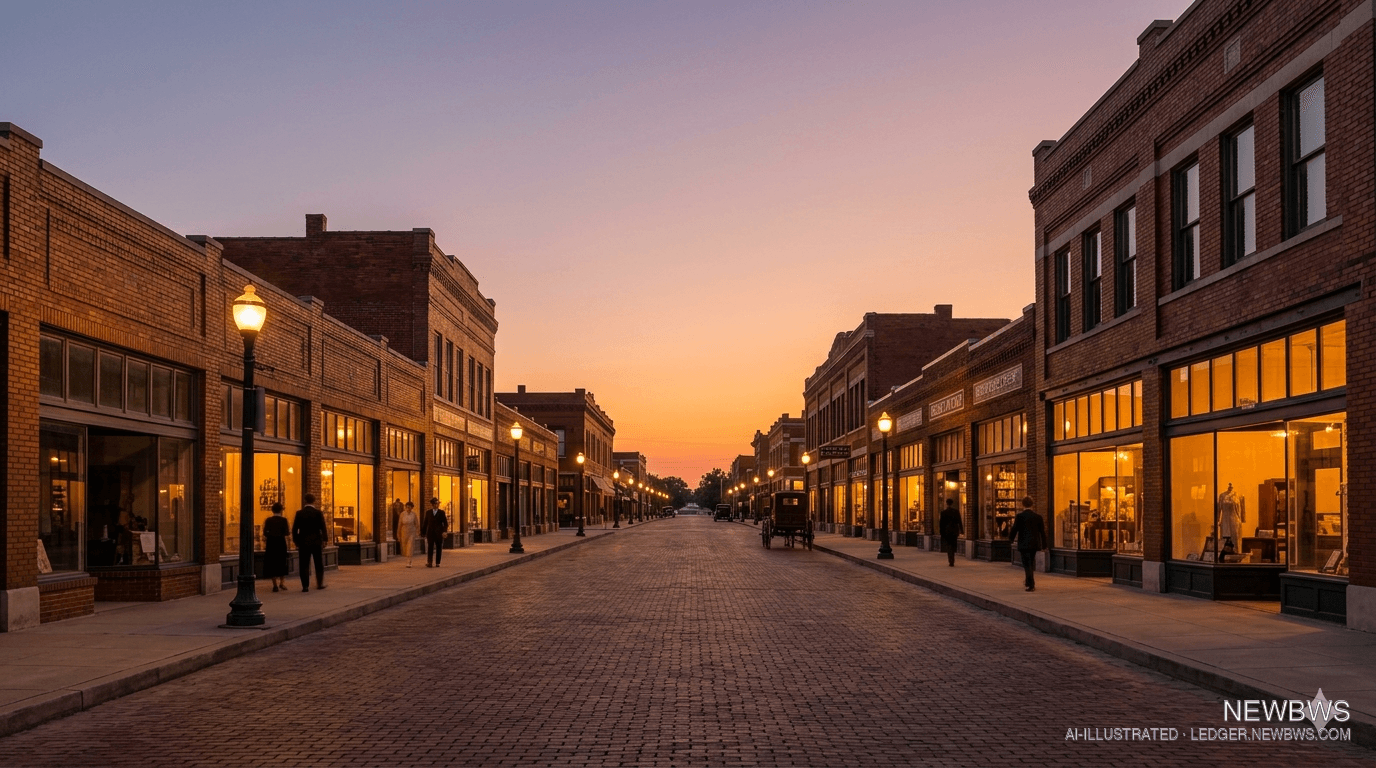
The Final Evening
On the evening of May 30, 1921, the lights came on along Greenwood Avenue the way they had every evening for years. The shops were open until eight. The Stradford Hotel was full. The Dreamland Theatre had a Saturday picture coming. Children were sent on errands. Men in suits walked home from the office. Women in spring dresses walked home from the bakery. The horses on the avenue were tired.
The lights would not come on tomorrow.
Chapter 2 of Tulsa Burning continues with the events of May 31 and June 1, 1921.
- ArchivalRead the full record →
The original nine-section record. Sources, named individuals, aftermath, and what rose.
- DirectoryGreenwood, May 30, 1921 →
The reconstructed directory of Black-owned businesses on Greenwood Avenue, owners, addresses, fate, and sources.
- SourcesCited in The Ledger →
Every source cited across every Record and Rise page, deduplicated and searchable.
Chapters two through seven, the match, the burning, the toll, the aftermath, the erasure, and the reckoning, ship in subsequent releases ahead of the May 31, 2026 anniversary.