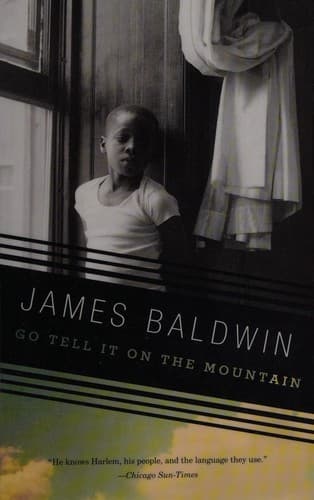
Go Tell It on the Mountain
by James Baldwin
9 jurisdictions · Banned 1953-2020 · Published
Go Tell It on the Mountain is James Baldwin's 1953 debut novel about a young Black boy's religious awakening in 1930s Harlem, banned or restricted in 9+ U.S. jurisdictions since publication.
Why it was banned
The novel has been challenged for its frank treatment of religious experience and its handling of sexuality. Baldwin's own break with the church as a young man informs the novel's complicated relationship with Black Christian tradition.
Cited reasons
- sexual content
- religious content
- language
Primary states
Texas, Virginia
Why it matters
Go Tell It on the Mountain was Baldwin's autobiographical debut and remains one of the most important American novels about religious experience. The novel established Baldwin as a major literary voice years before The Fire Next Time made him a public intellectual. Its depiction of a Harlem storefront church is one of the most rigorous portraits of Black religious life in American fiction.
Themes
- religion
- Harlem
- Black church
- American classics
Where to buy
The Ledger recommends Black-owned booksellers. Each stocks this title or can order it.
- MahoganyBooksNational Harbor, Maryland · Founded
Independent bookstore specializing in books written for, by, and about people of the African diaspora.
- Marcus BooksOakland, California · Founded
The oldest independent Black-owned bookstore in the United States, named for political activist Marcus Garvey.
- Hakim's BookstorePhiladelphia, Pennsylvania · Founded
Philadelphia's oldest Black-owned bookstore, specializing in African American history, philosophy, and religion.
- Uncle Bobbie's Coffee and BooksPhiladelphia, Pennsylvania · Founded
Coffee shop and bookstore in Germantown, Philadelphia, named for the founder's uncle.
The Ledger may earn commission on affiliate links. All commissions route to Black-owned booksellers.
Related banned books
Books in the catalog that share themes with this one.
Documented by The Ledger. A record of what Black America built and what was taken.
Book cover via Open Library. Editorial use under fair use.