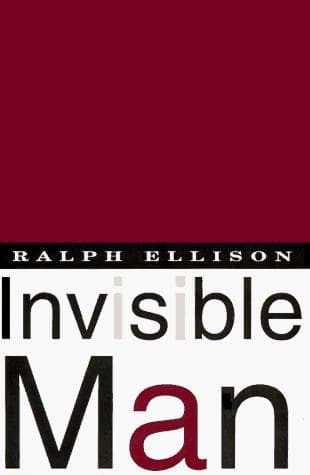
Invisible Man
by Ralph Ellison
14 jurisdictions · Banned 1952-2025 · Published
Invisible Man is Ralph Ellison's 1952 National Book Award-winning novel about an unnamed Black narrator's journey from the segregated South to Harlem, banned or restricted in 14+ U.S. jurisdictions.
Why it was banned
The novel was removed from a North Carolina high school in 2013 with a school board member quoted saying she could not get past the title. It has been challenged elsewhere for language and a small number of sexual passages, often disconnected from the book's actual themes.
Cited reasons
- language
- sexual content
Primary states
North Carolina, Tennessee
Why it matters
Invisible Man won the 1953 National Book Award for Fiction. It is widely considered one of the most important American novels of the twentieth century. Ellison's opening, "I am an invisible man," reframed how American literature could describe the experience of being unseen by the society around you. The novel was Ellison's only completed novel during his lifetime.
Themes
- Black identity
- modernism
- Harlem
- American classics
Awards
- National Book Award for Fiction (1953)
Where to buy
The Ledger recommends Black-owned booksellers. Each stocks this title or can order it.
- MahoganyBooksNational Harbor, Maryland · Founded
Independent bookstore specializing in books written for, by, and about people of the African diaspora.
- Marcus BooksOakland, California · Founded
The oldest independent Black-owned bookstore in the United States, named for political activist Marcus Garvey.
- Semicolon Bookstore and GalleryChicago, Illinois · Founded
Chicago's only Black woman-owned independent bookstore, with a mission to raise literacy rates among Chicago Public School students.
- Hakim's BookstorePhiladelphia, Pennsylvania · Founded
Philadelphia's oldest Black-owned bookstore, specializing in African American history, philosophy, and religion.
The Ledger may earn commission on affiliate links. All commissions route to Black-owned booksellers.
Related banned books
Books in the catalog that share themes with this one.
Documented by The Ledger. A record of what Black America built and what was taken.
Book cover via Open Library. Editorial use under fair use.