The Rise · HBCUs
Every HBCU in America, on one map.
One record per school. Counts from 2023.
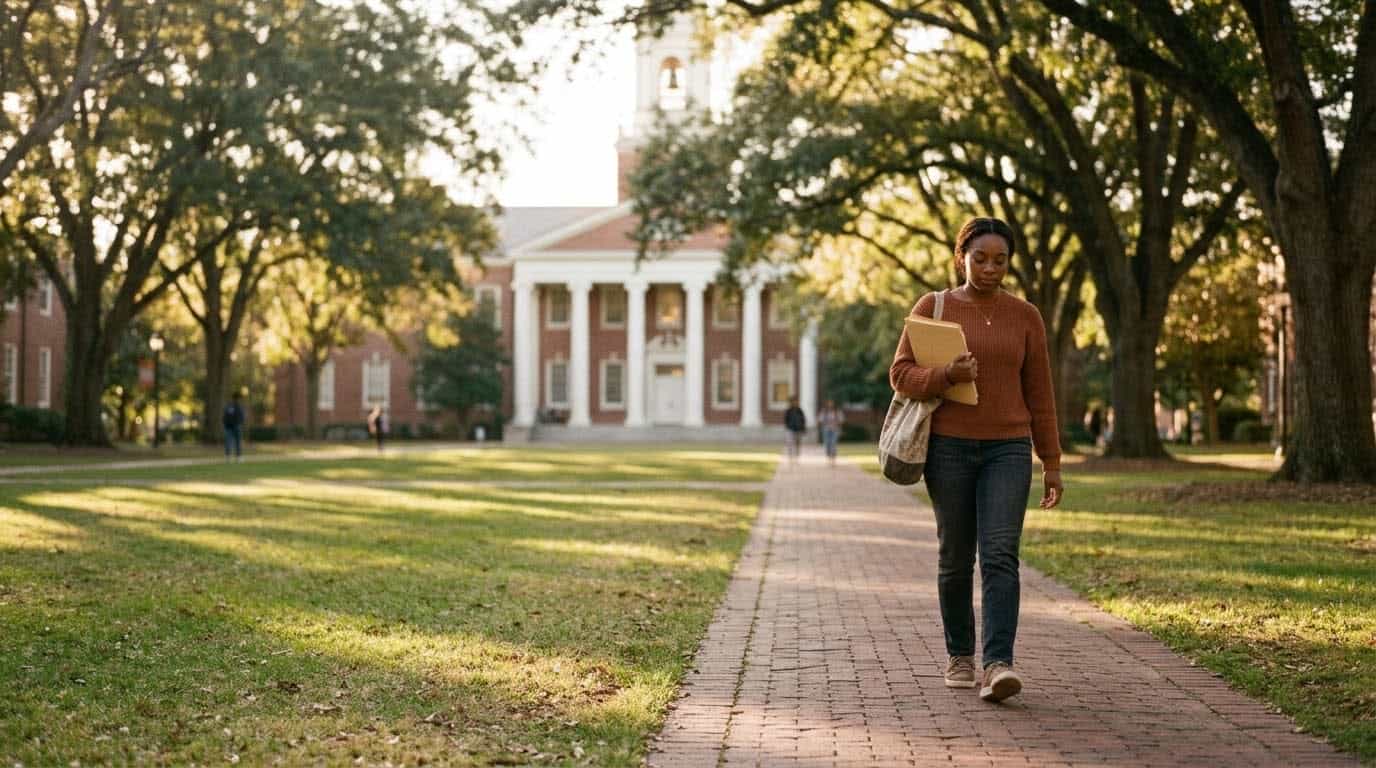
Schools founded to educate Black Americans when almost nothing else would, with the founding story each school tells on its own site.
Enrollment is the official 2023 count, rounded. Tap a school for its source.
The count, by the official lists
- 102
- Schools listed as HBCU and open on the official directory, 2024-25 provisional data collection, file dated 2025-09-21. The records on this page.
- 100
- Stated as “2026 Eligible HBCU/HBGIs” on the Office of Postsecondary Education's FY 2026 Eligibility Matrix, dated 2026-06-08: the statutory Title III Part B list, which also carries graduate schools.
- 102
- Campus locations from the official 2024-25 record, used as published. Every school is placed at its campus.
51 public, 51 private, across 21 states, the District of Columbia, and the U.S. Virgin Islands. 101 records carry a founding history cited to the school's own page; the rest wait for one.
Where they stand
Every school is on this page. A solid pin is the campus location on the official record, used as published; a hollow pin would mark the center of the city for any campus without one. Nothing on this map was estimated and no city center is presented as a campus. The same layer is one chip away on the Ledger map.
102 of 102 pins in view
- Solid pin: campus location confirmed. The campus location on the official record, used as published. The pin is the campus.
- Hollow pin: campus location not confirmed. No campus location is published and the address on file could not be matched, so the pin sits at the center of the city on the record, not at the campus.
By state · 102 schools
Alabama 14
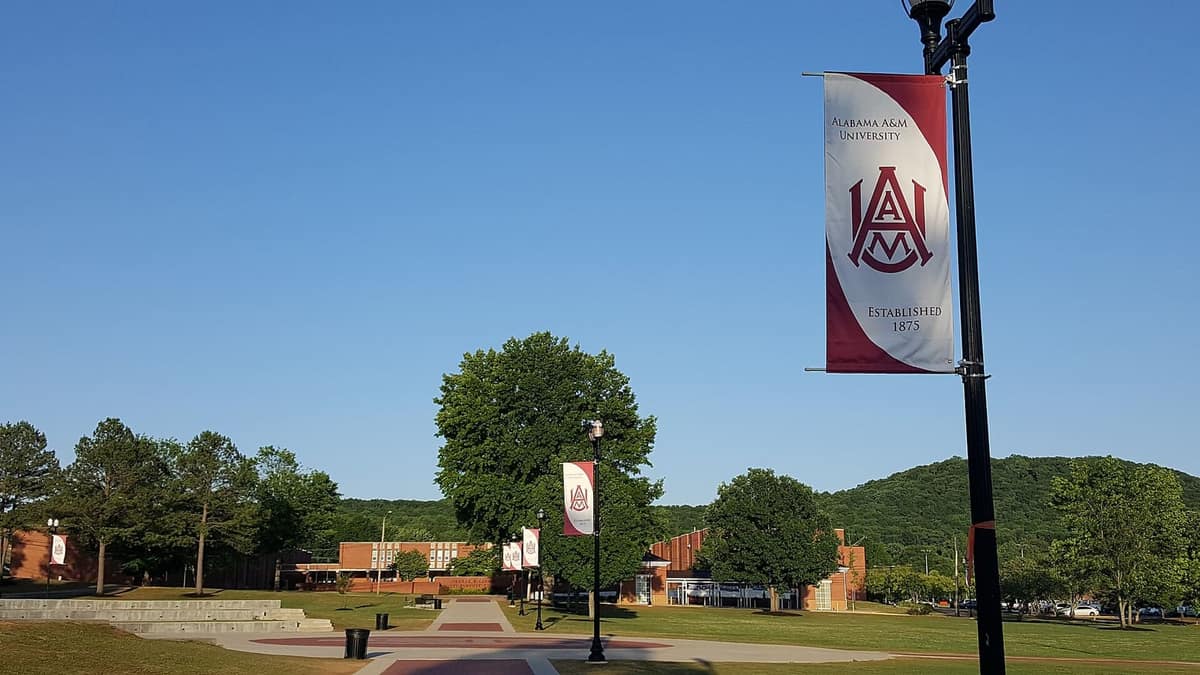
AAMU
(Alabama A & M University)
Normal. Public. Founded 1875.
~6,600 students · Bulldog
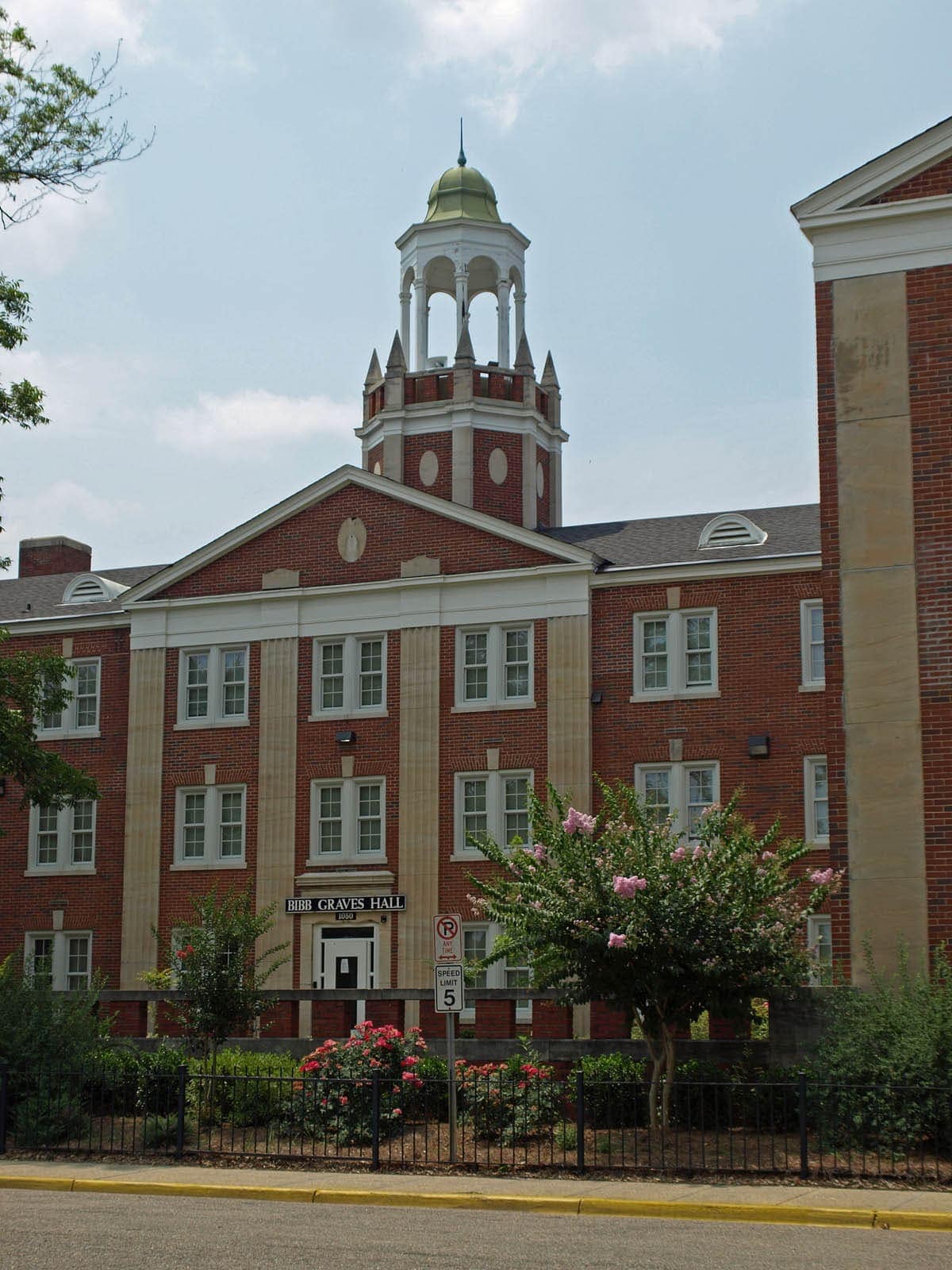
Alabama State University
Montgomery. Public. Founded 1867.
~3,900 students
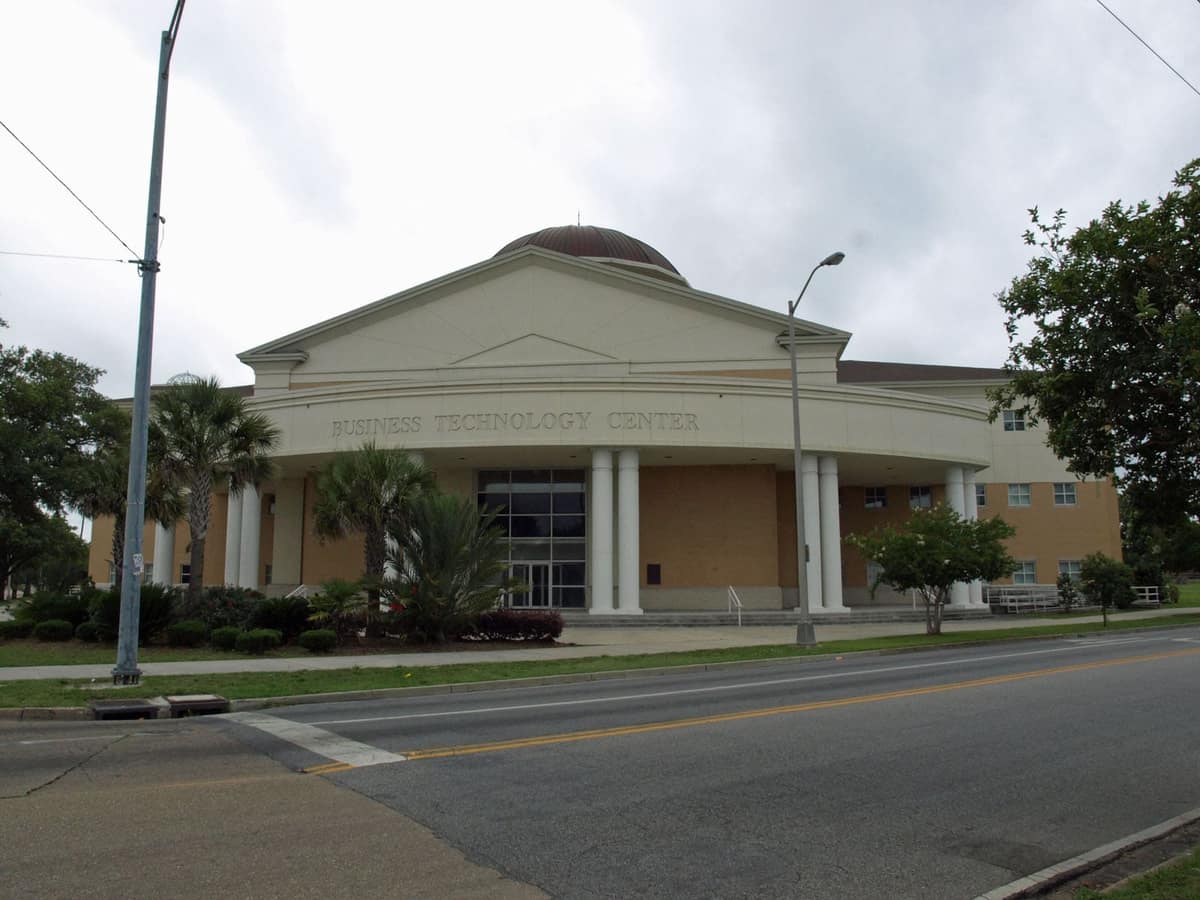
Bishop State Community College
Mobile. Public. Founded 1927.
~3,600 students
Gadsden State
(Gadsden State Community College)
Gadsden. Public. Founded 1925.
~4,700 students
H Councill Trenholm State Community College
Montgomery. Public. Founded 1963.
~1,900 students
Drake State
(J. F. Drake State Community and Technical College)
Huntsville. Public. Founded 1961.
~1,000 students
LSCC
(Lawson State Community College)
Birmingham. Public. Founded 1949.
~3,200 students
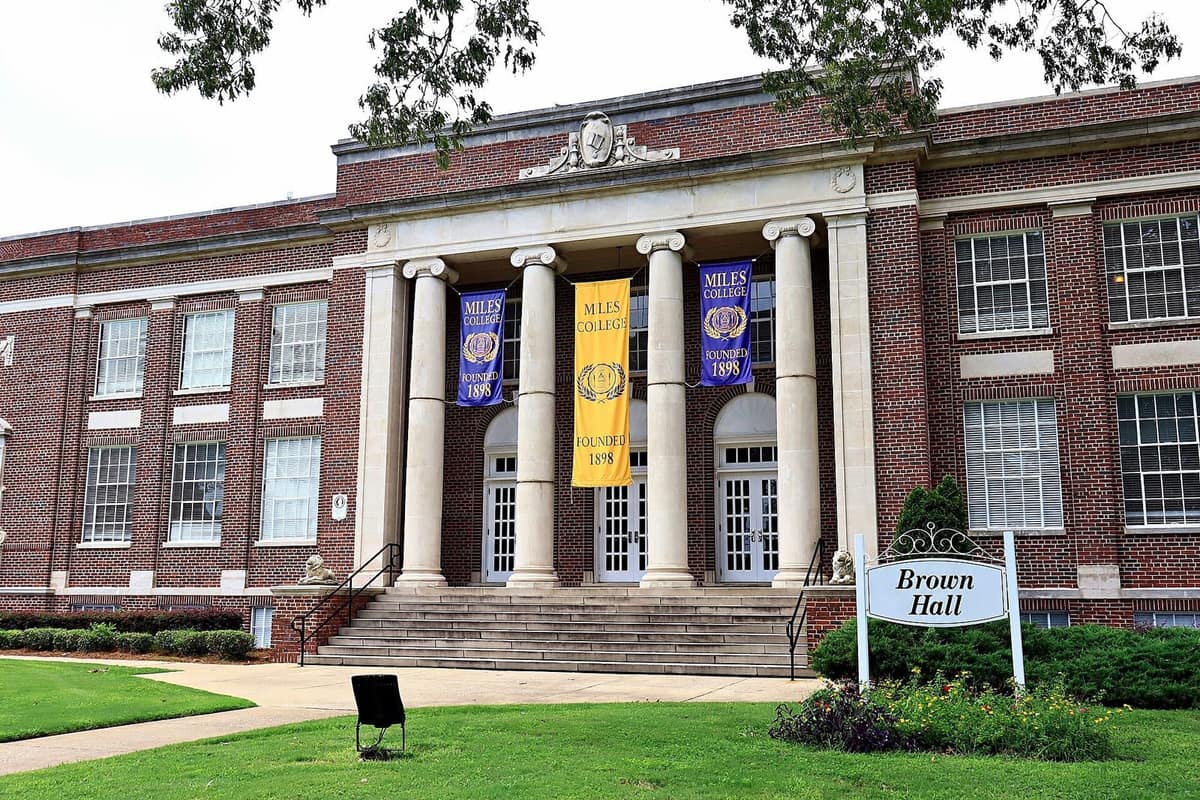
Miles College
Fairfield. Private. Founded 1898.
~1,200 students
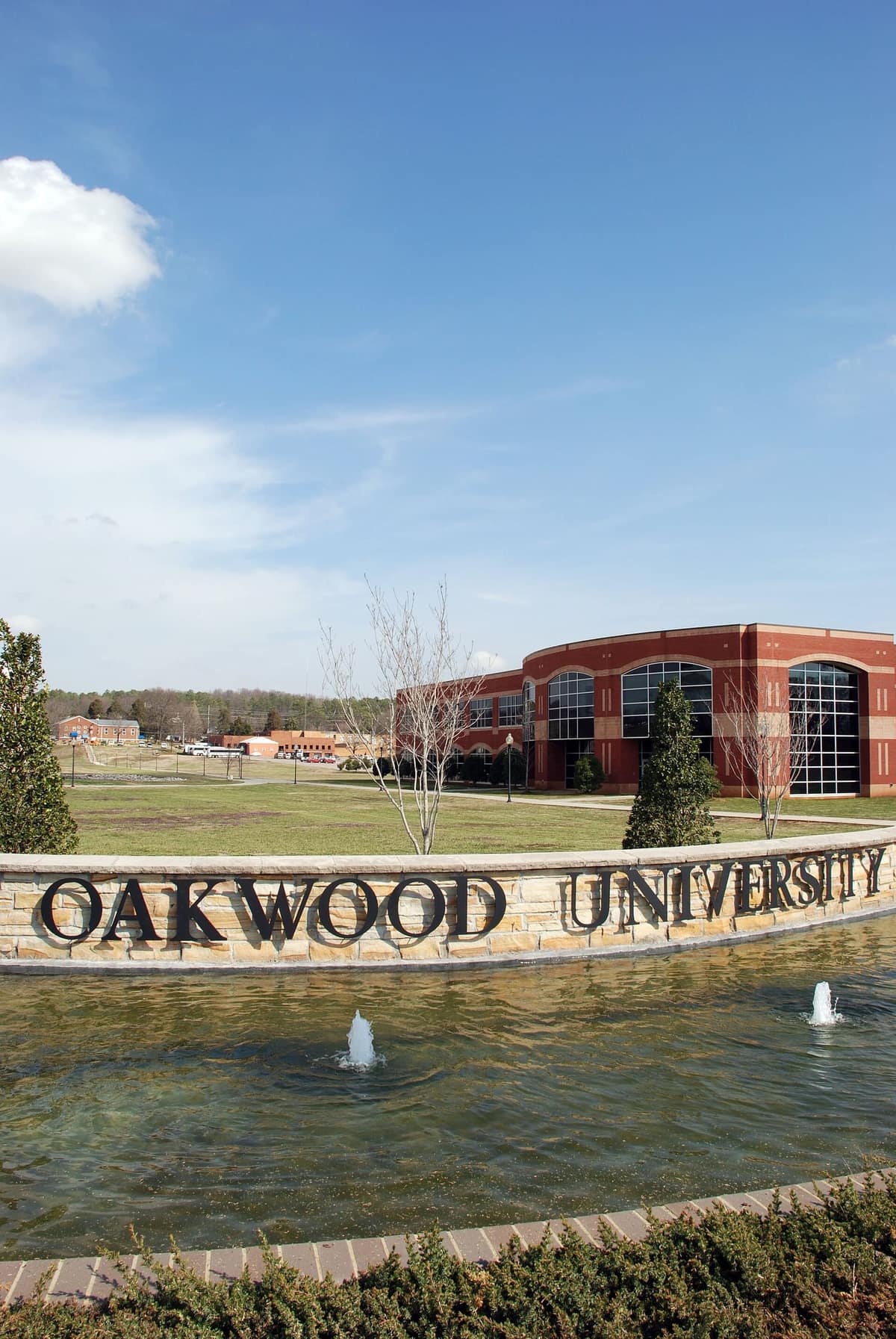
Oakwood University
Huntsville. Private. Founded 1896.
~1,300 students
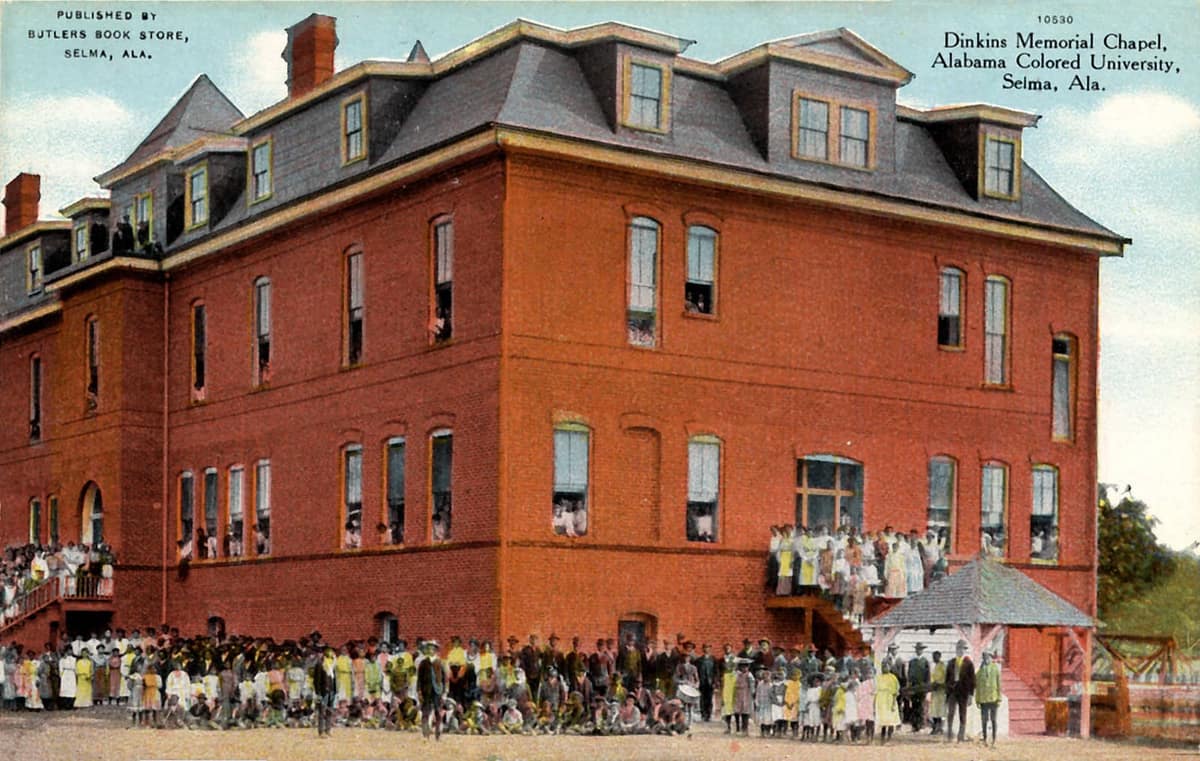
Selma University
Selma. Private. Founded 1878.
~60 students
Shelton State
(Shelton State Community College)
Tuscaloosa. Public. Founded 1952.
~4,500 students
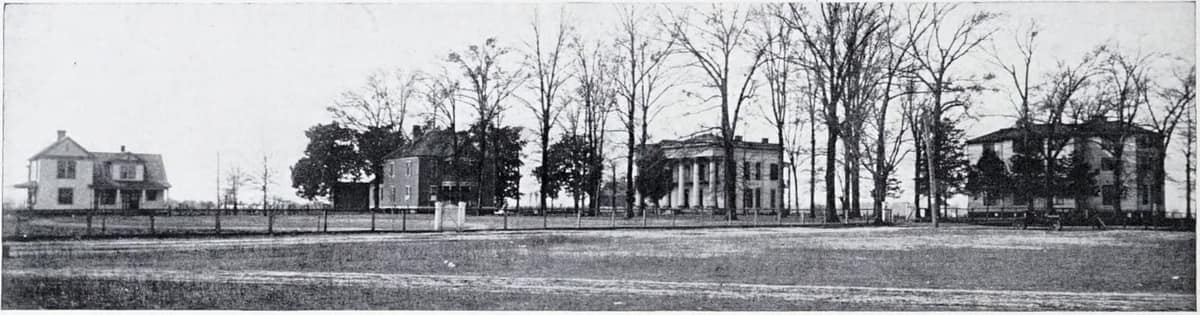
Stillman
(Stillman College)
Tuscaloosa. Private. Founded 1876.
~780 students
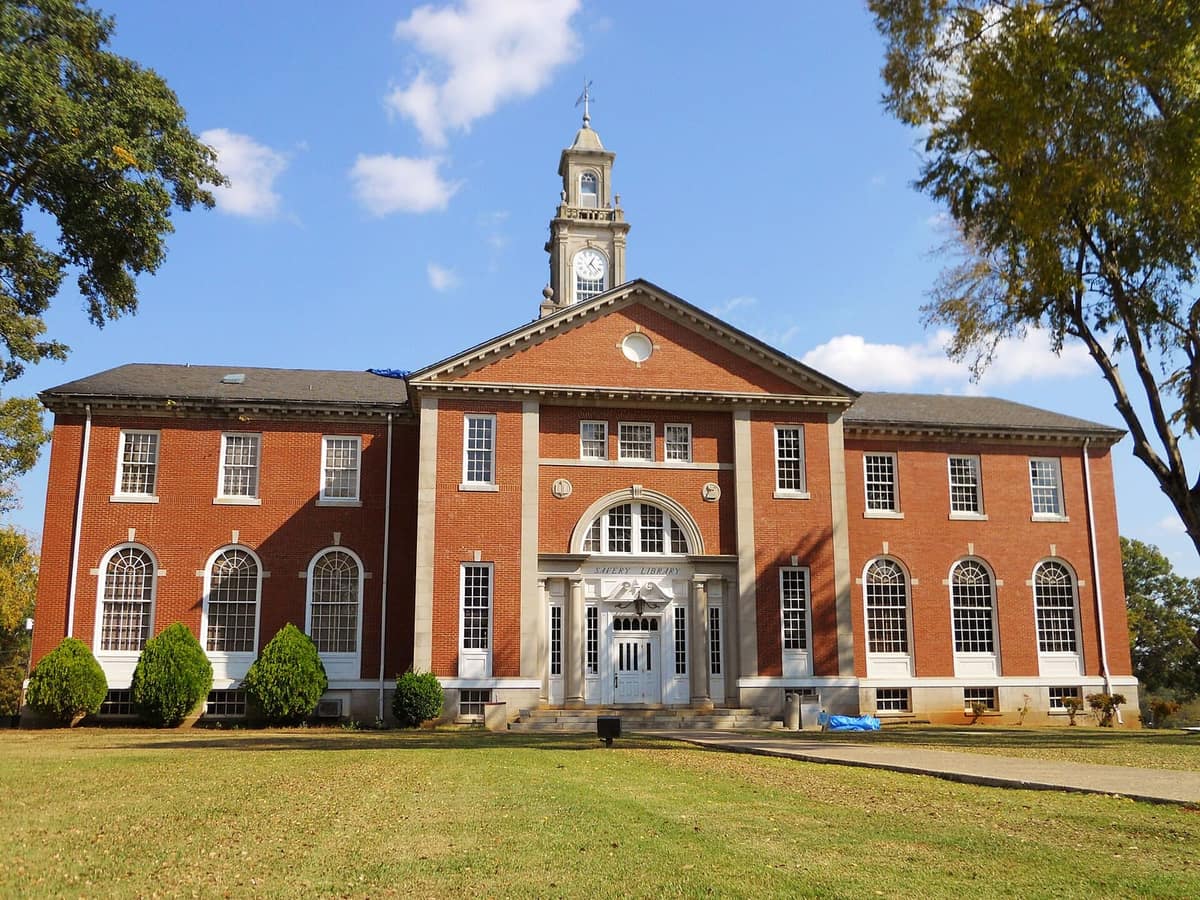
Talladega College
Talladega. Private. Founded 1867.
~840 students
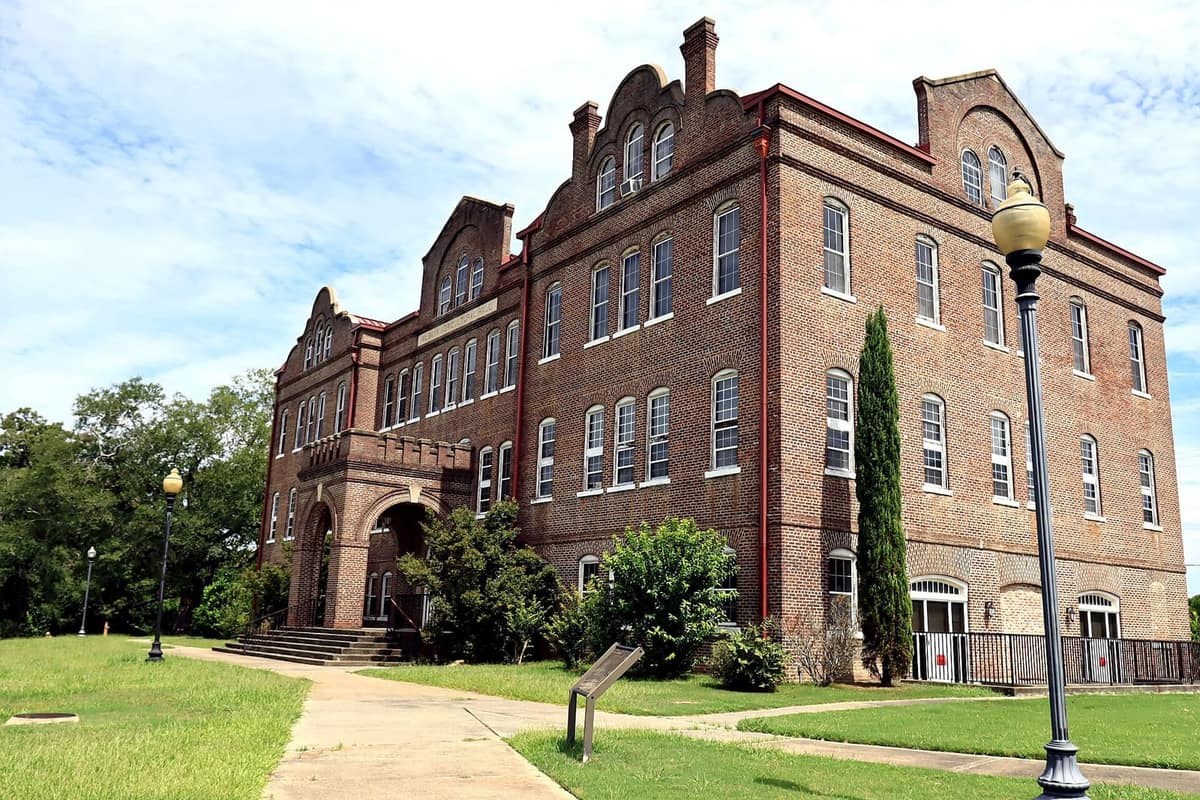
Tuskegee University
Tuskegee. Private. Founded 1881.
~2,800 students
Arkansas 4
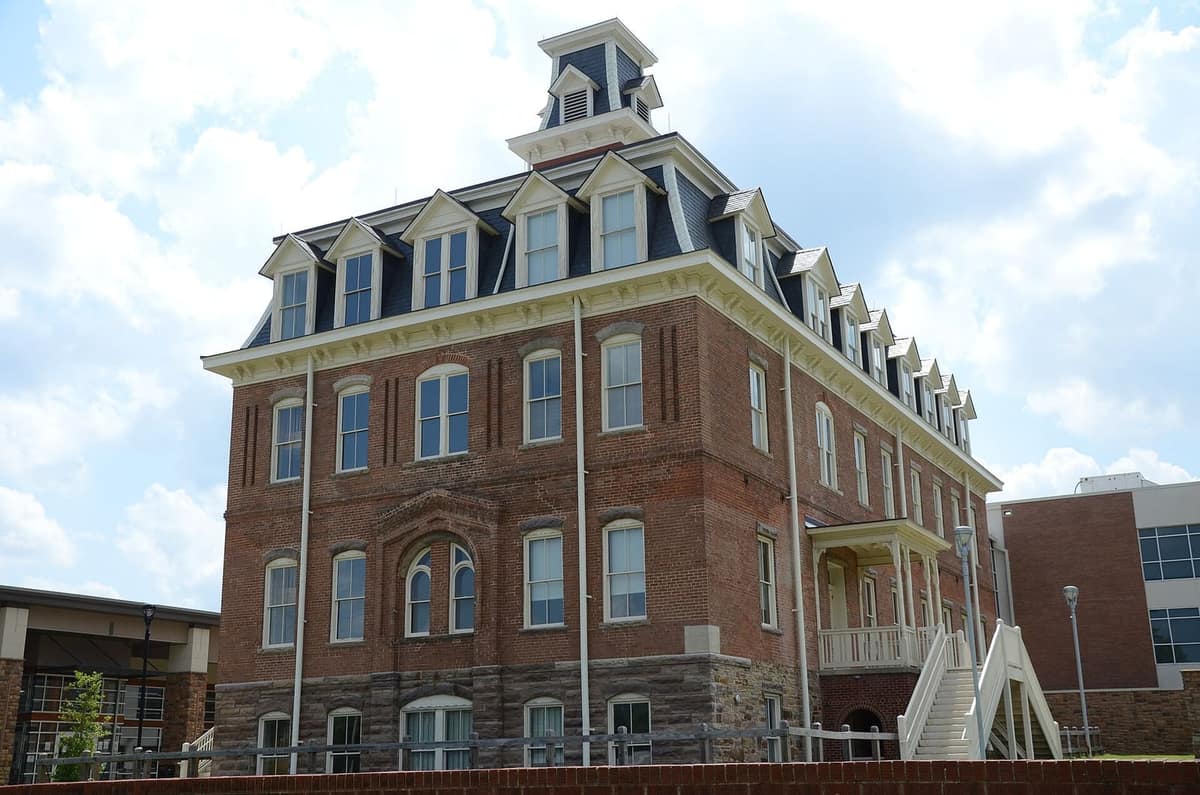
Arkansas Baptist College
Little Rock. Private. Founded 1884.
~370 students
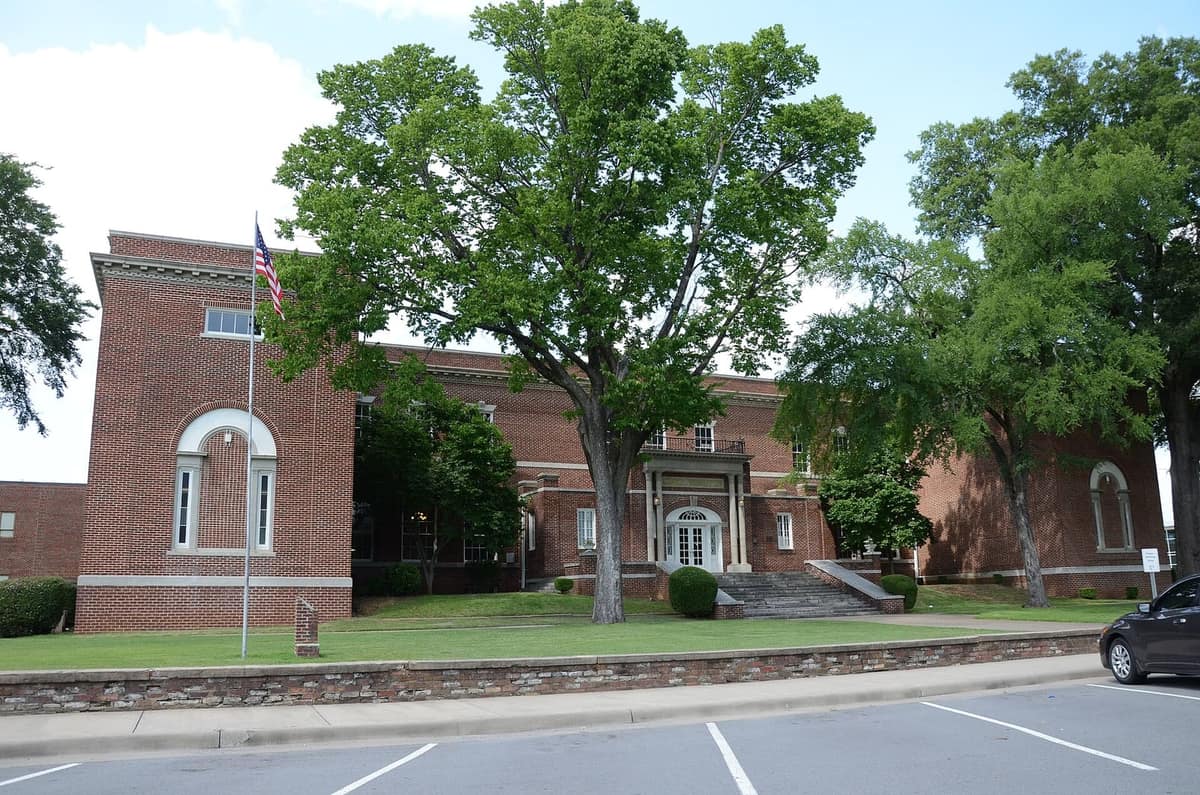
PSU
(Philander Smith University)
Little Rock. Private. Founded 1877.
~870 students · Panther
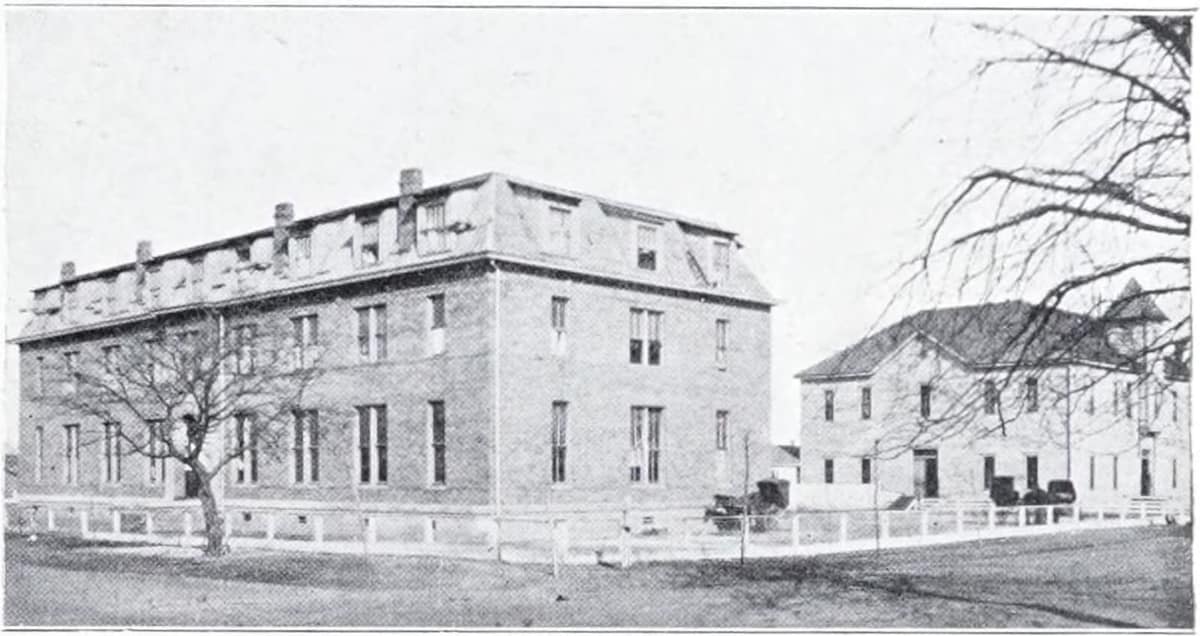
Shorter
(Shorter College)
N Little Rock. Private. Founded 1886.
~290 students
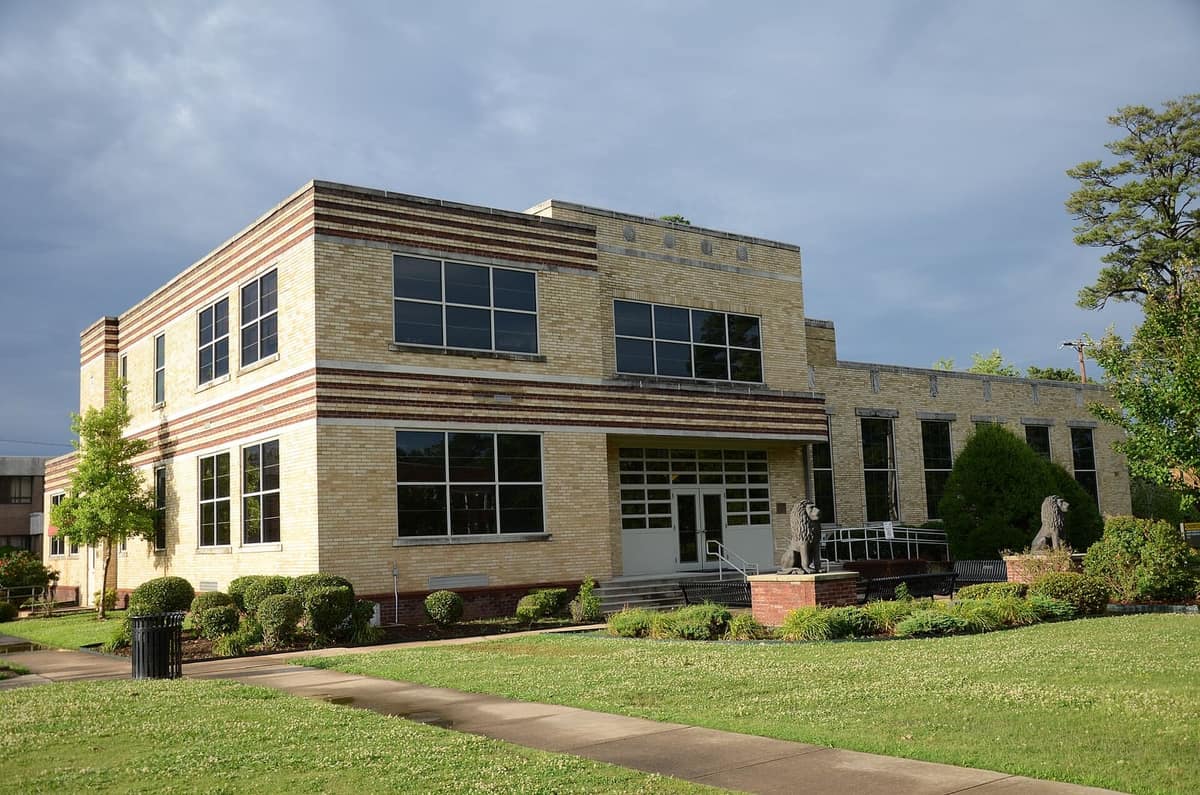
UAPB
(University of Arkansas at Pine Bluff)
Pine Bluff. Public. Founded 1873.
~2,100 students · The Lion
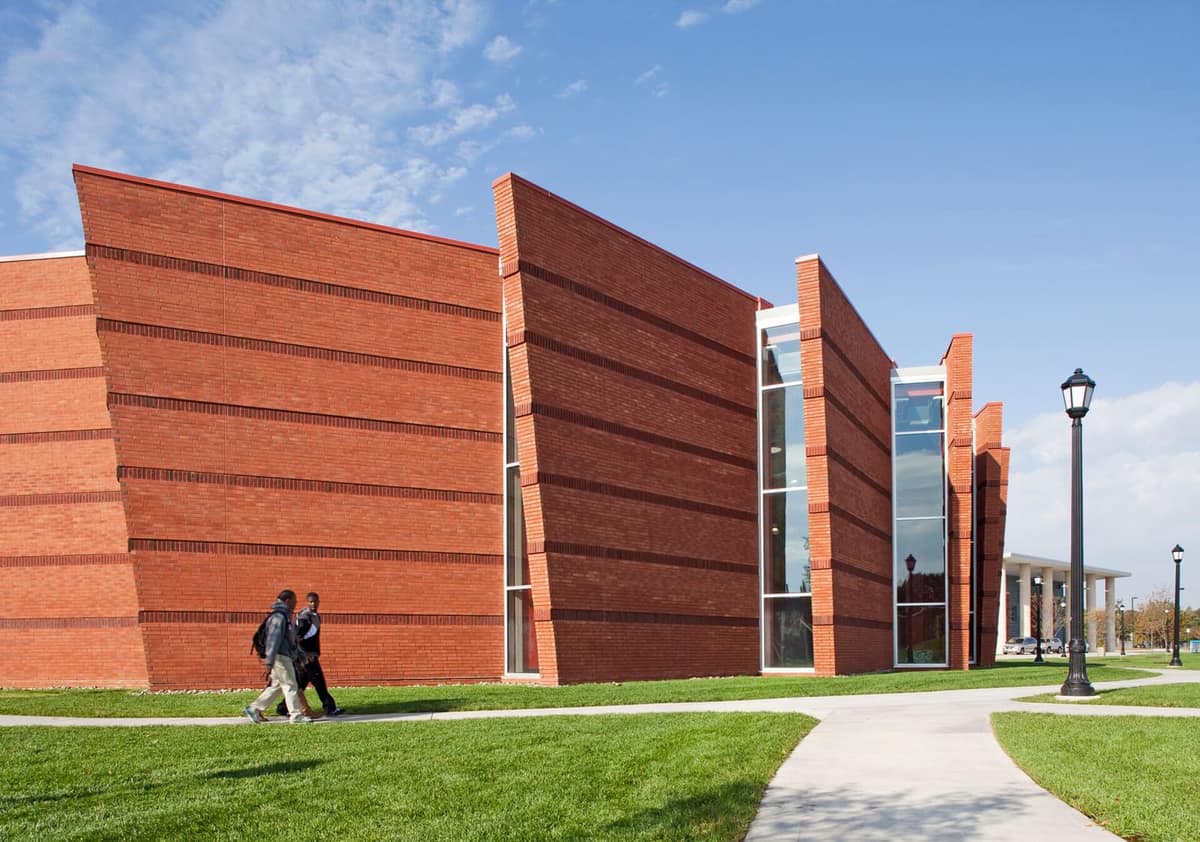
District of Columbia 2
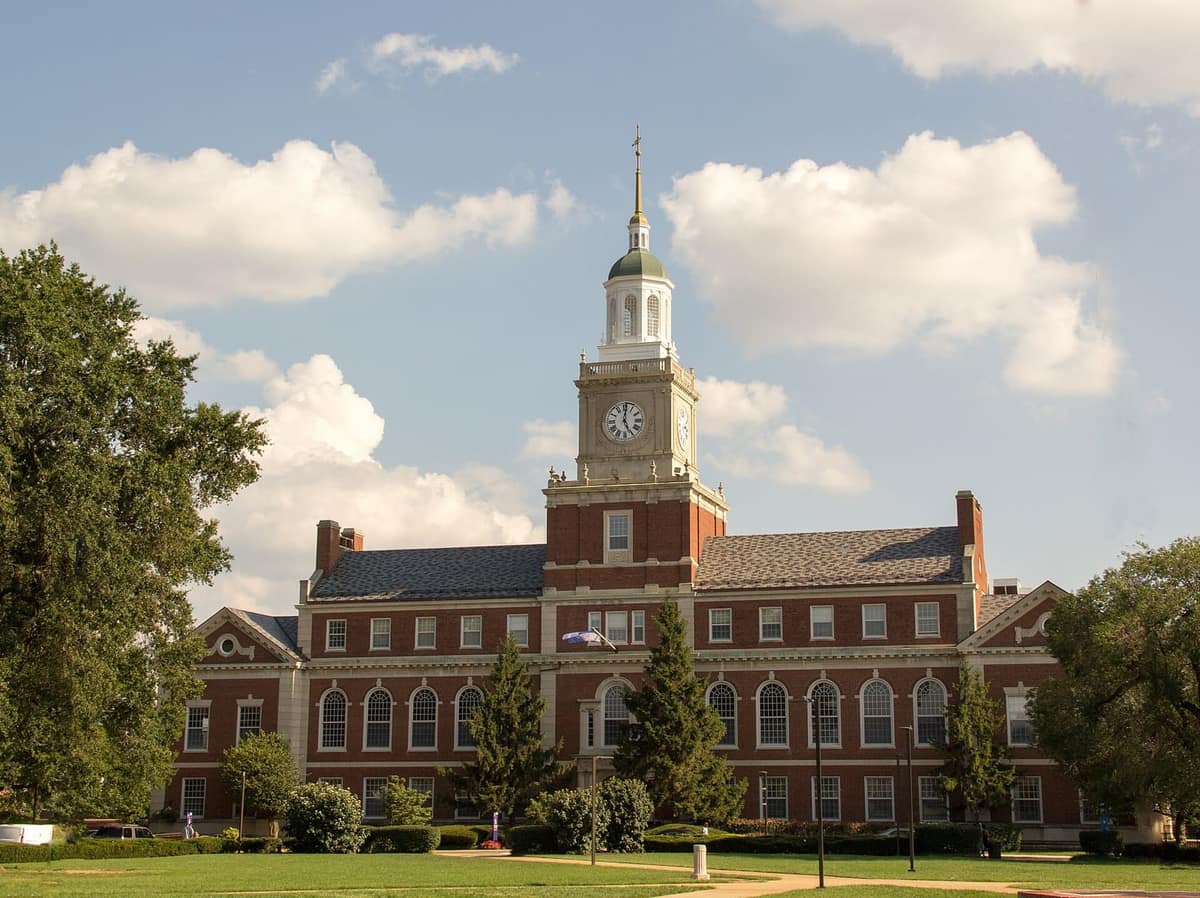
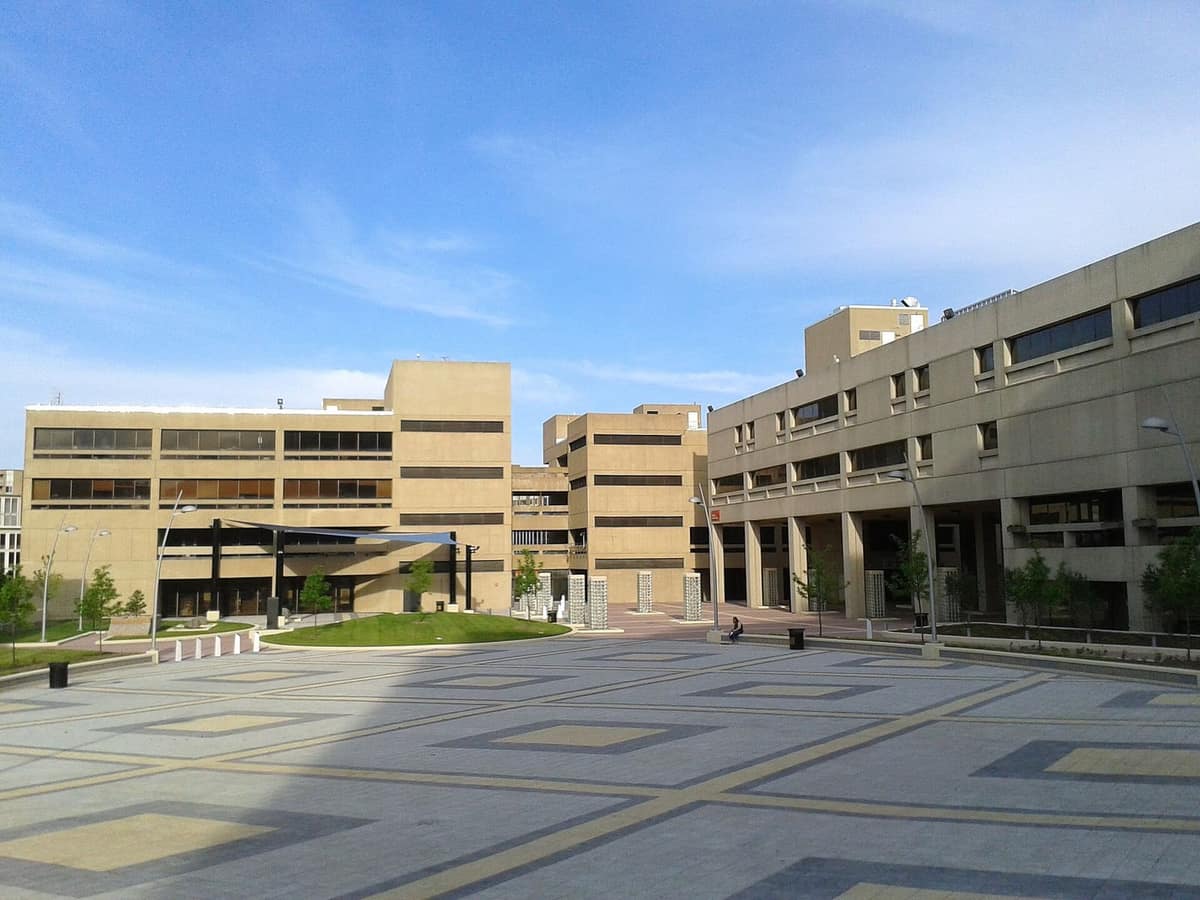
Florida 4
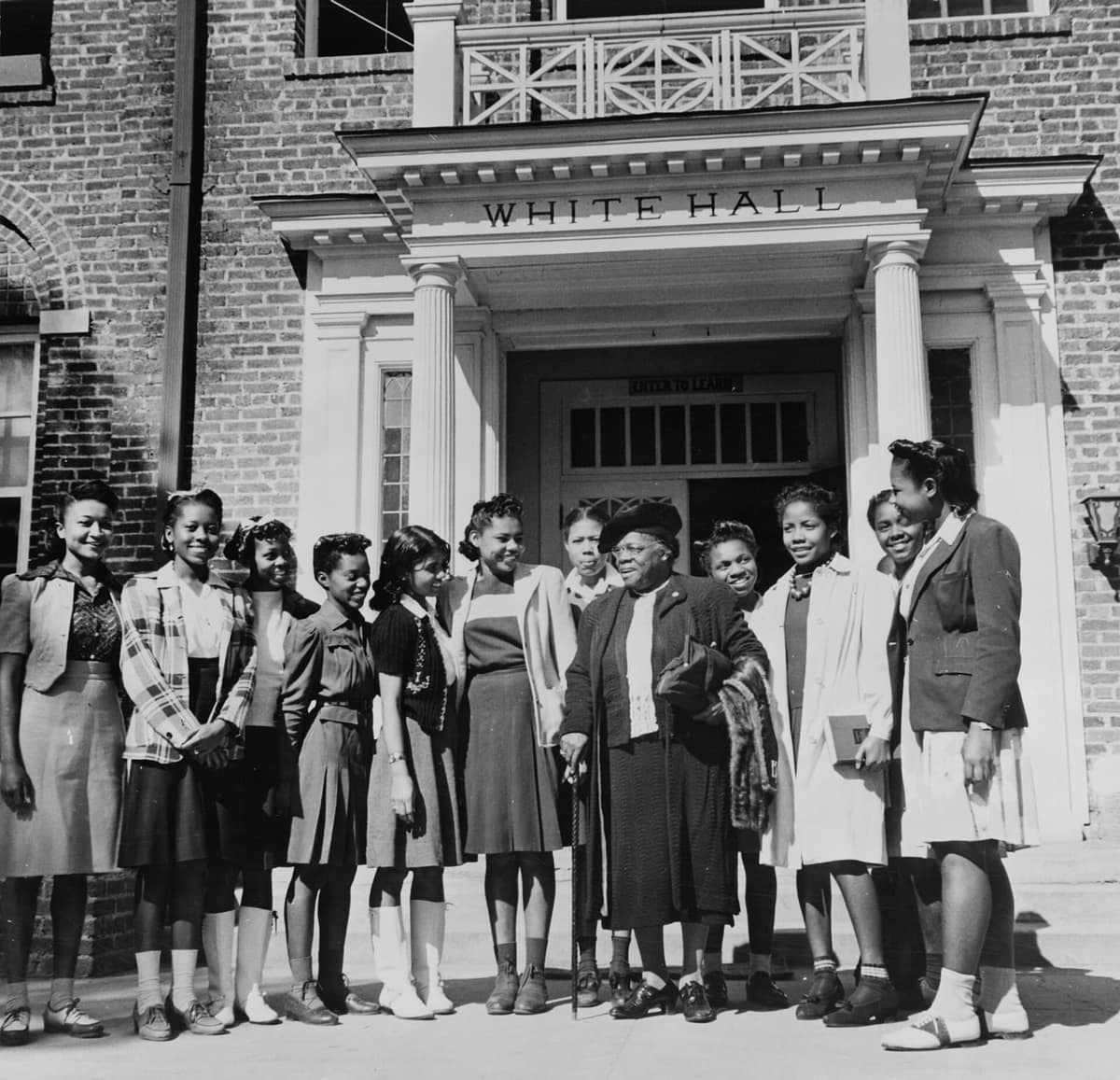
Bethune-Cookman University
Daytona Beach. Private. Founded 1904.
~2,500 students
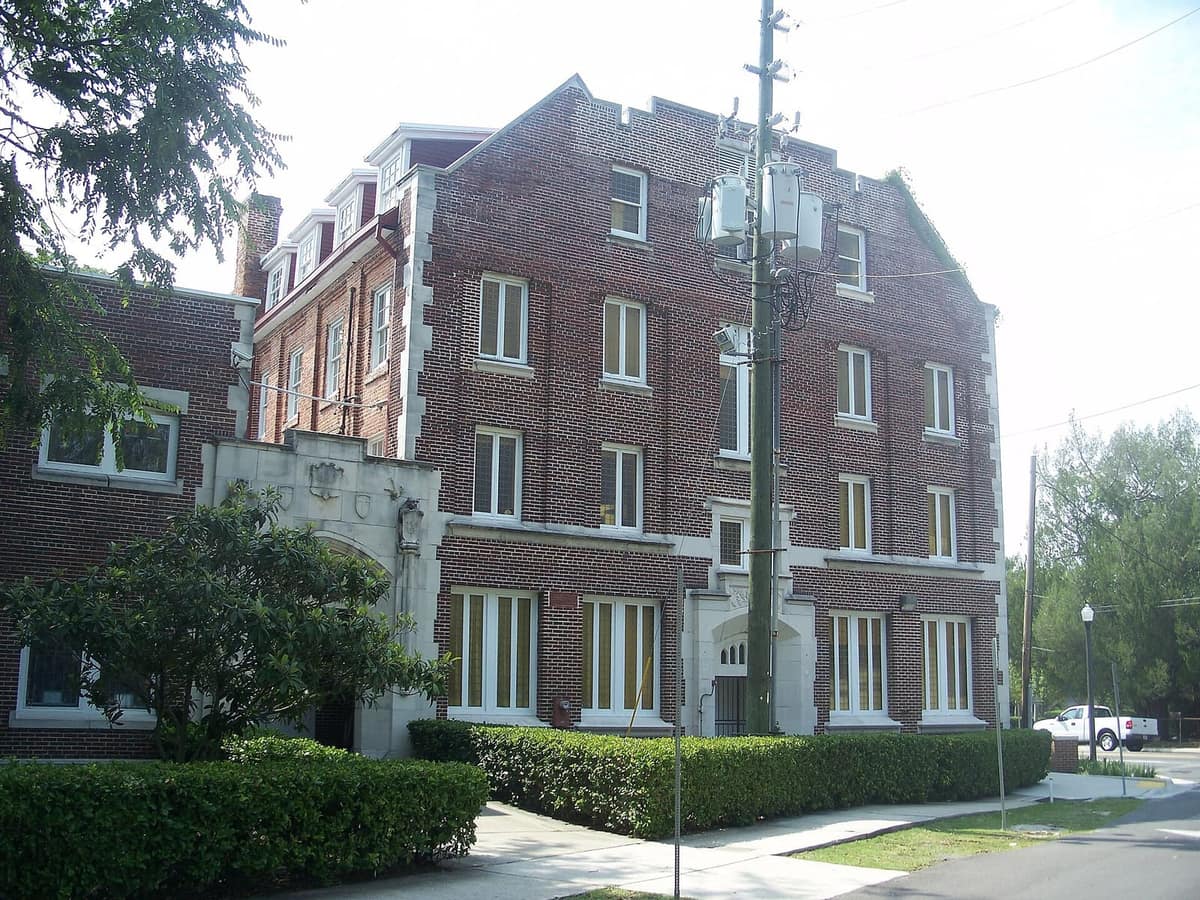
Edward Waters University
Jacksonville. Private. Founded 1866.
~1,200 students
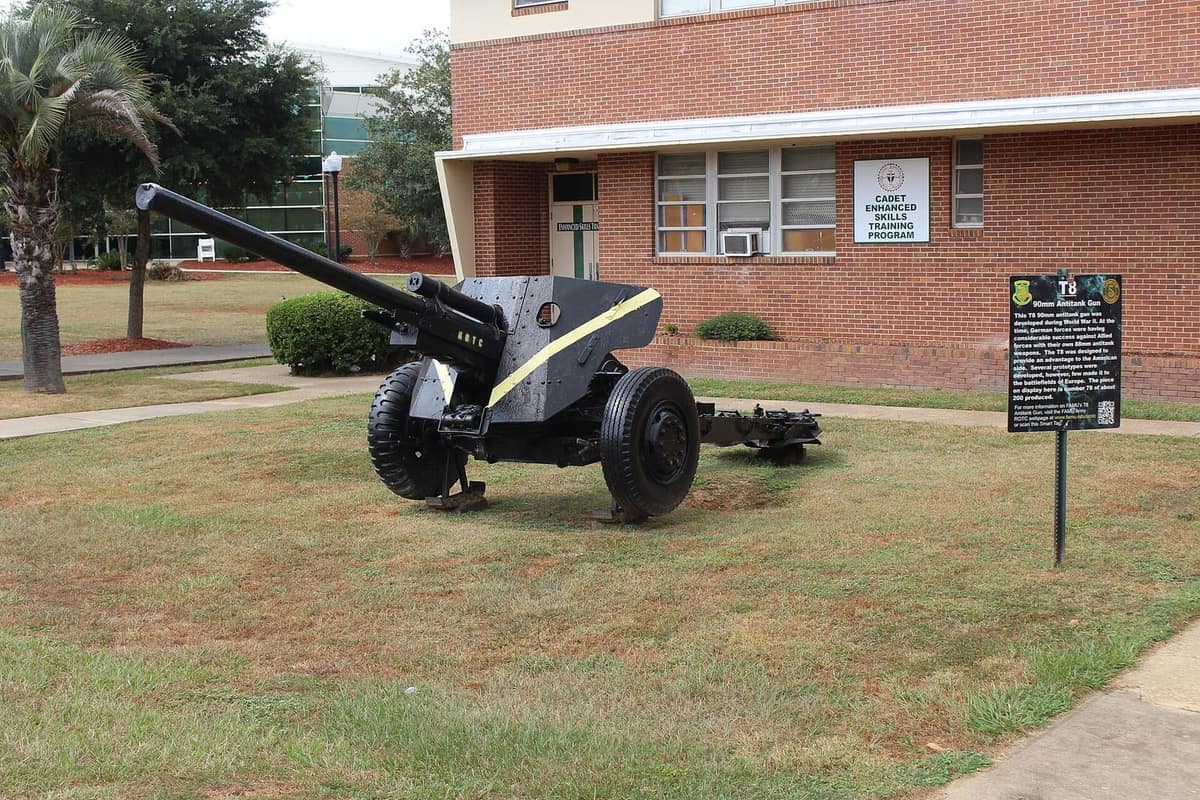
FAMU
(Florida Agricultural and Mechanical University)
Tallahassee. Public. Founded 1887.
~9,300 students
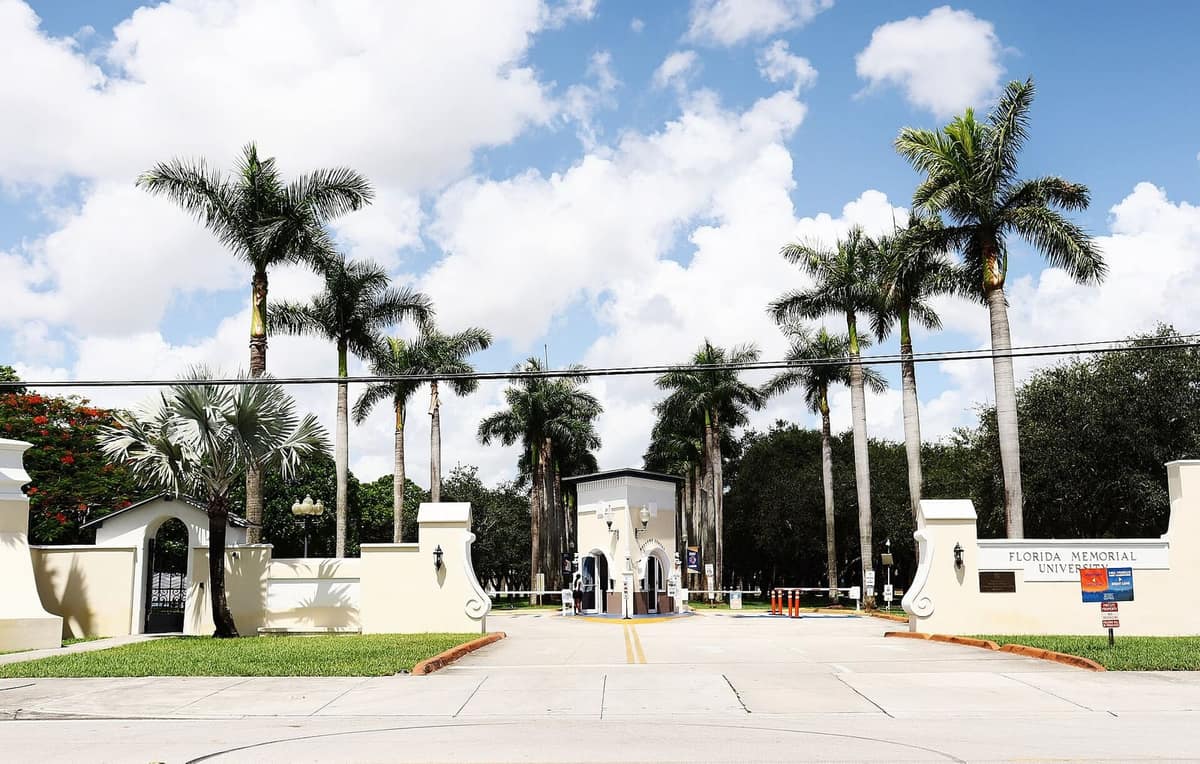
FMU
(Florida Memorial University)
Miami Gardens. Private. Founded 1879.
~1,400 students
Georgia 10
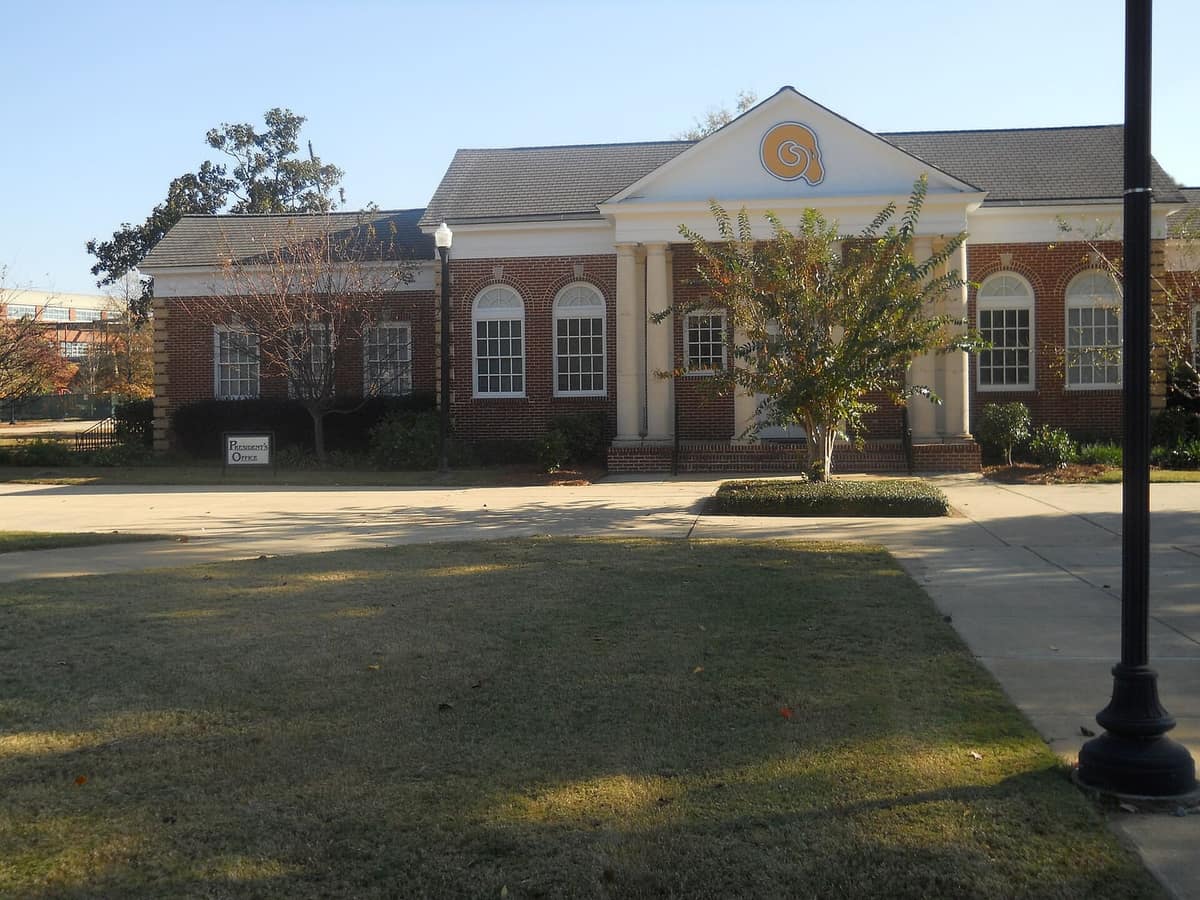
Albany State University
Albany. Public. Founded 1903.
~6,500 students
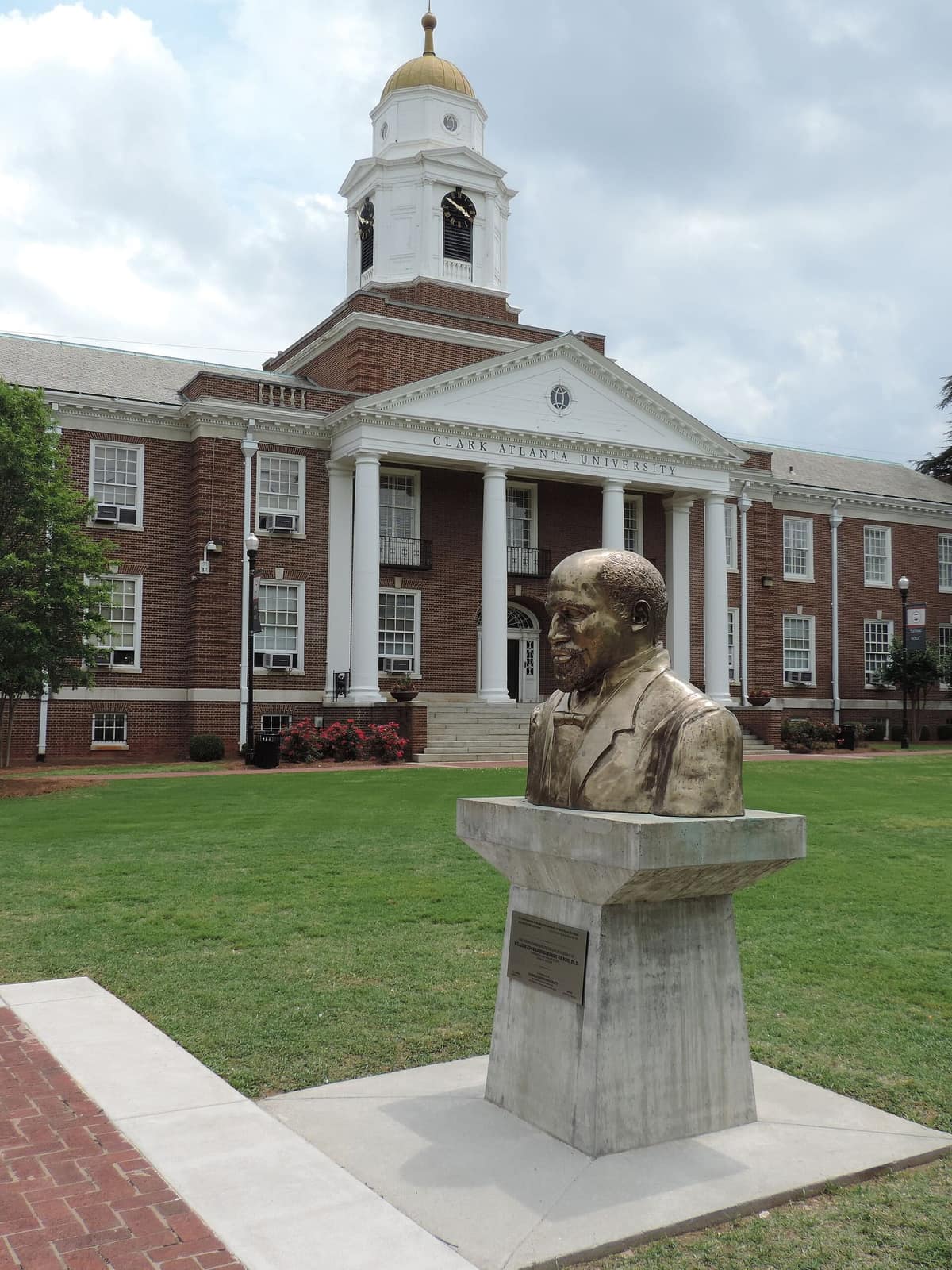
CAU
(Clark Atlanta University)
Atlanta. Private. Founded 1865.
~4,100 students
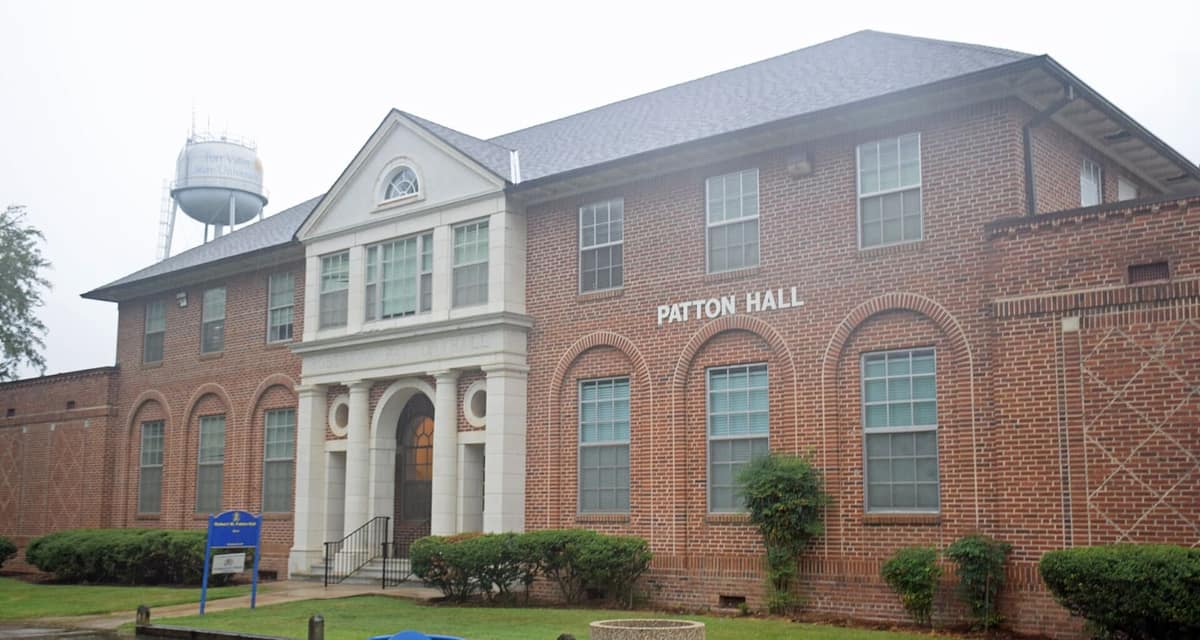
FVSU
(Fort Valley State University)
Fort Valley. Public. Founded 1895.
~2,800 students
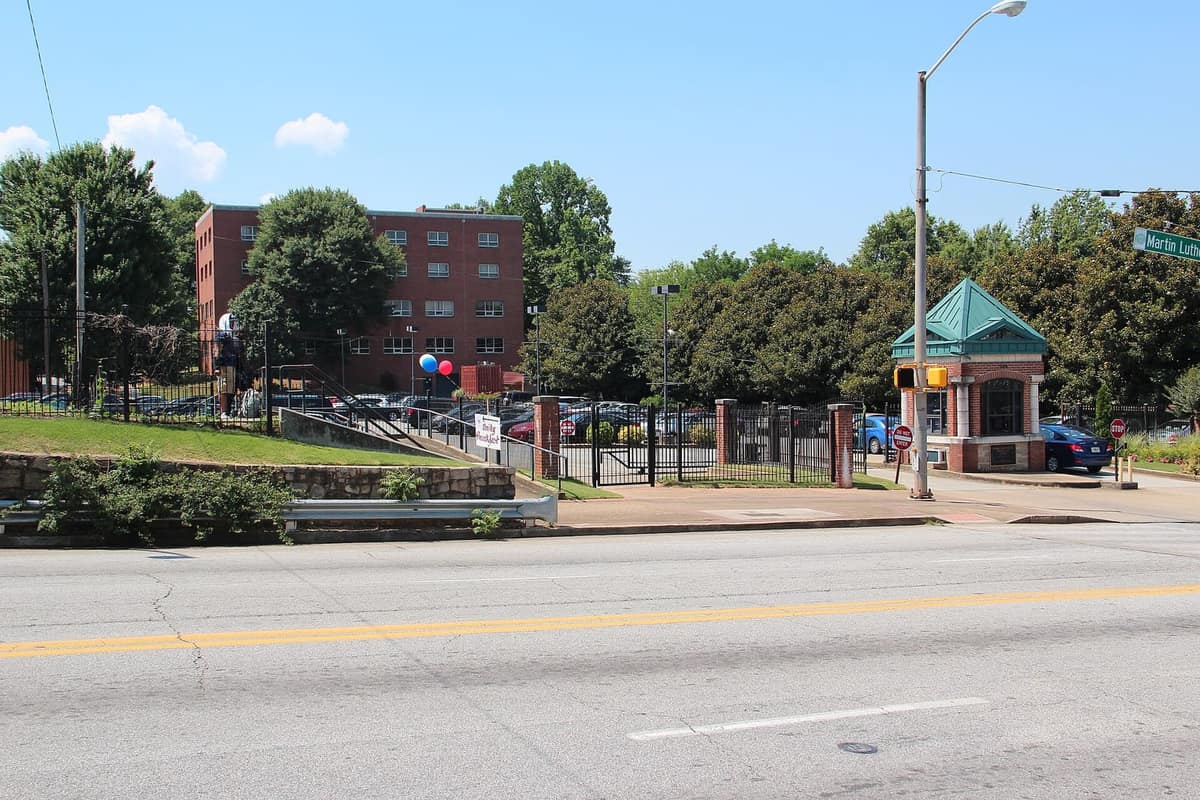
Interdenominational Theological Center
Atlanta. Private.
~60 students
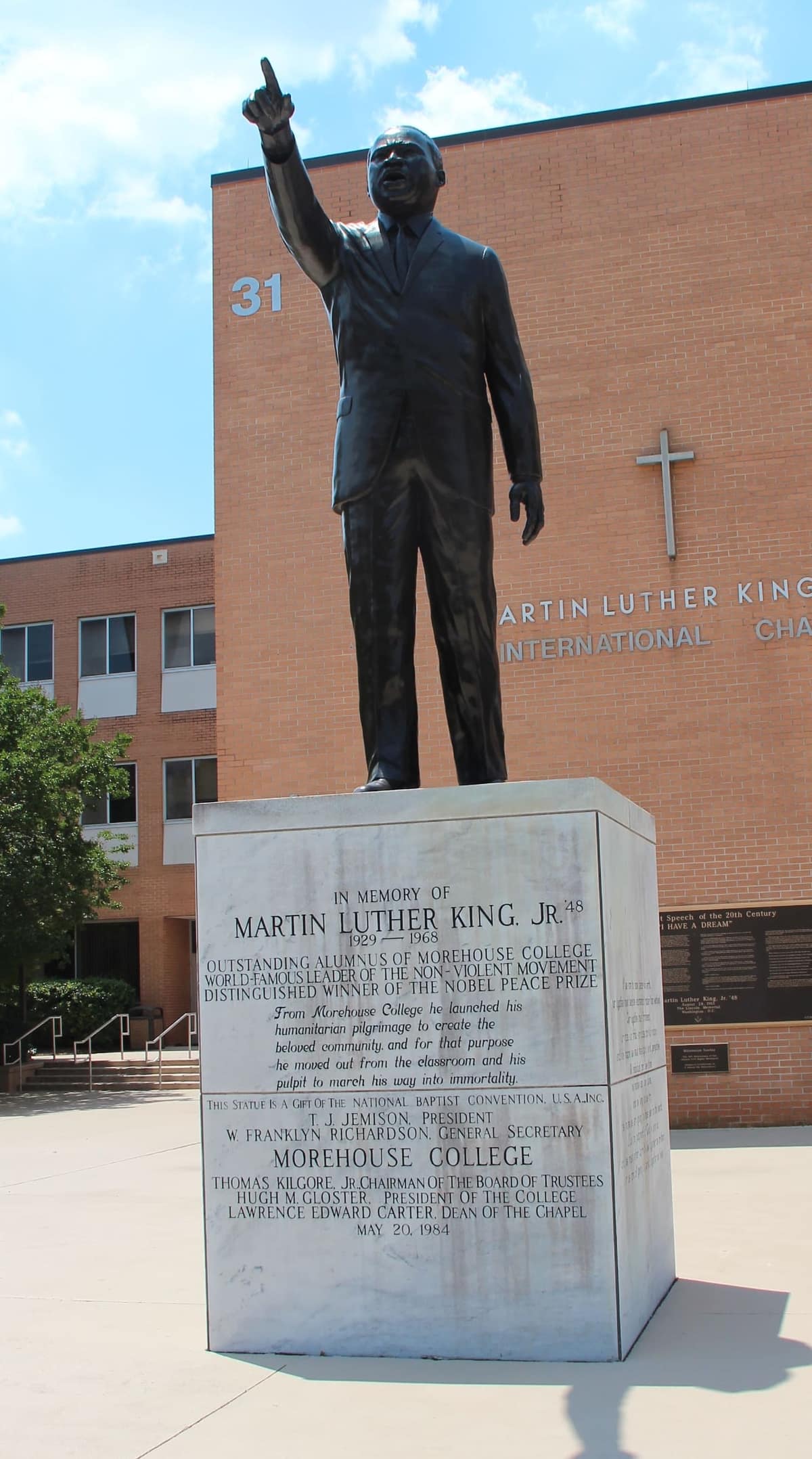
Morehouse
(Morehouse College)
Atlanta. Private. Founded 1867.
~2,700 students
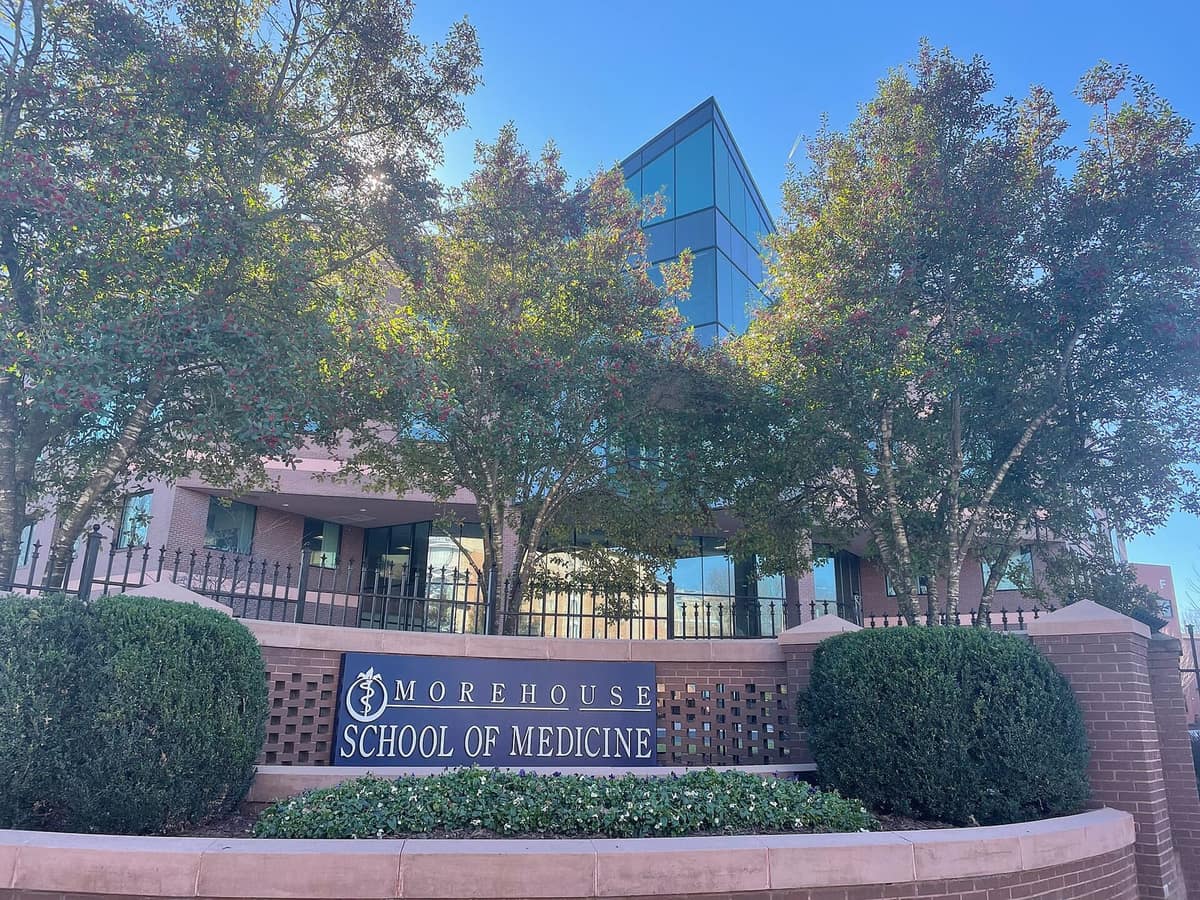
MSM
(Morehouse School of Medicine)
Atlanta. Private. Founded 1975.
~940 students
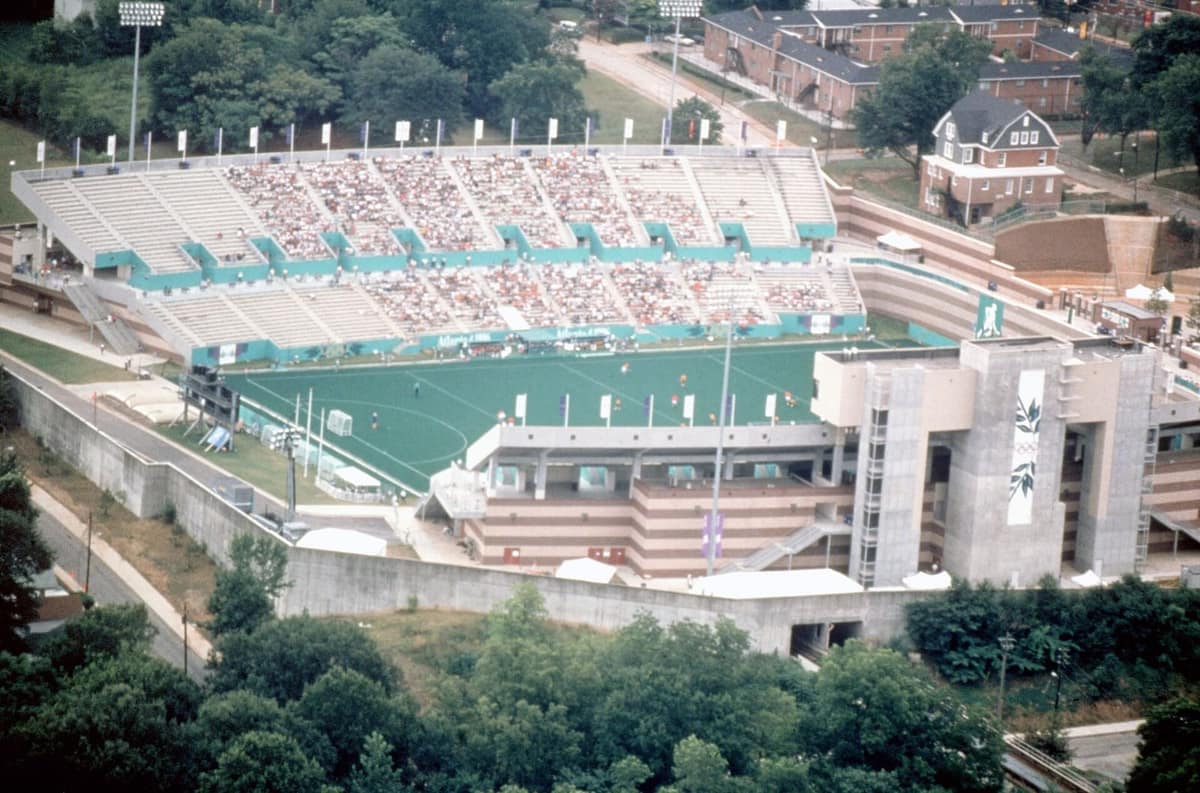
MBC
(Morris Brown College)
Atlanta. Private. Founded 1881.
~340 students
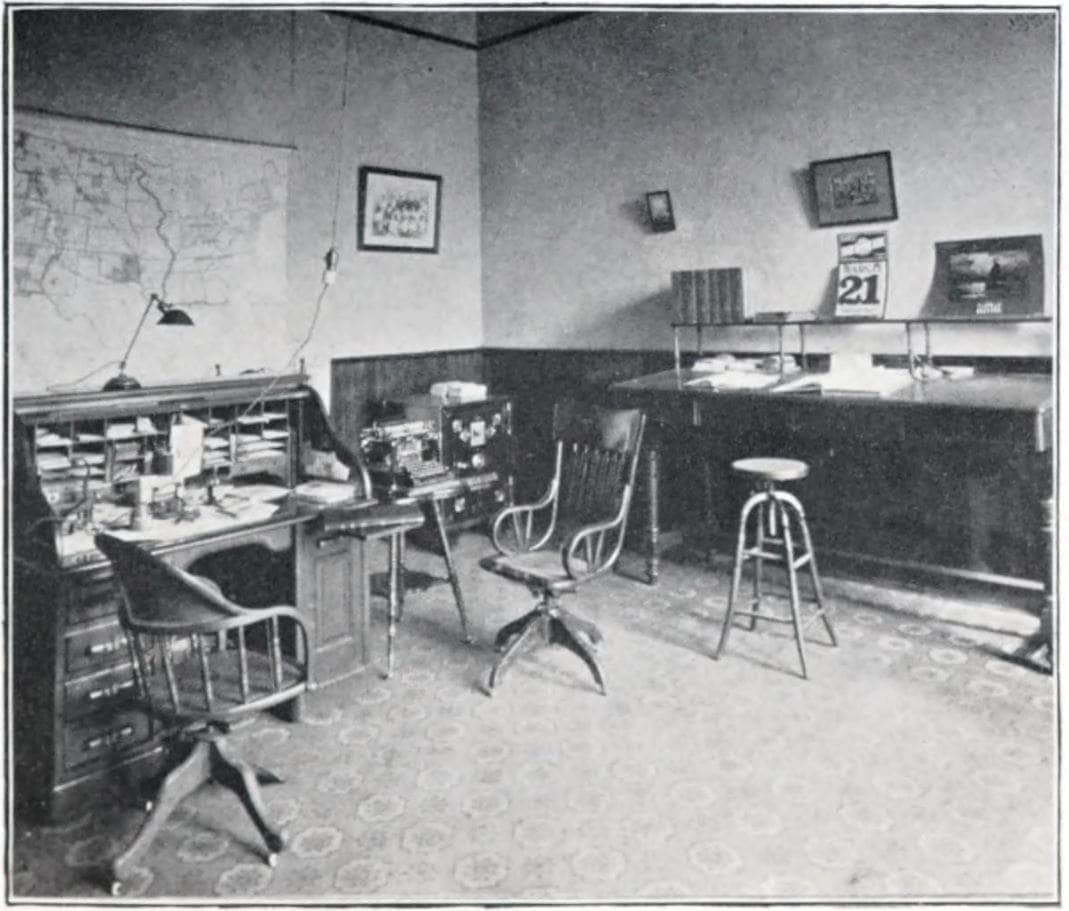
Paine College
Augusta. Private. Founded 1882.
~340 students
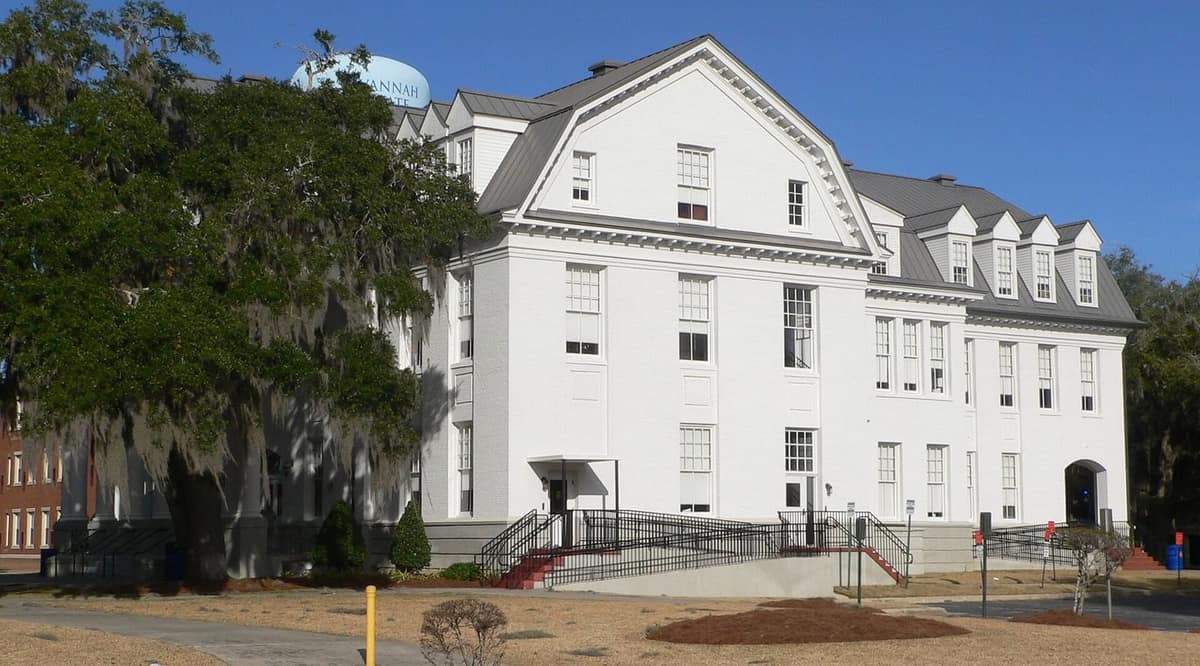
Savannah State University
Savannah. Public. Founded 1890.
~3,100 students
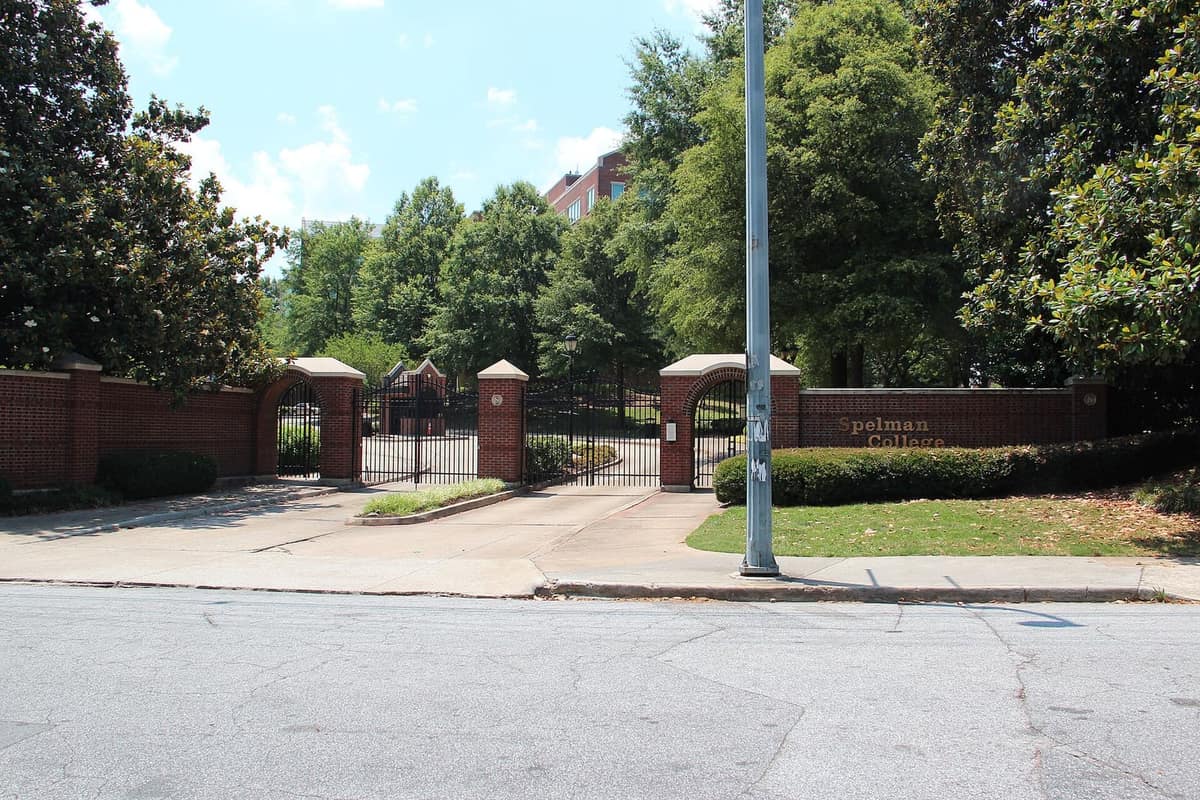
Spelman
(Spelman College)
Atlanta. Private. Founded 1881.
~3,600 students
Kentucky 2
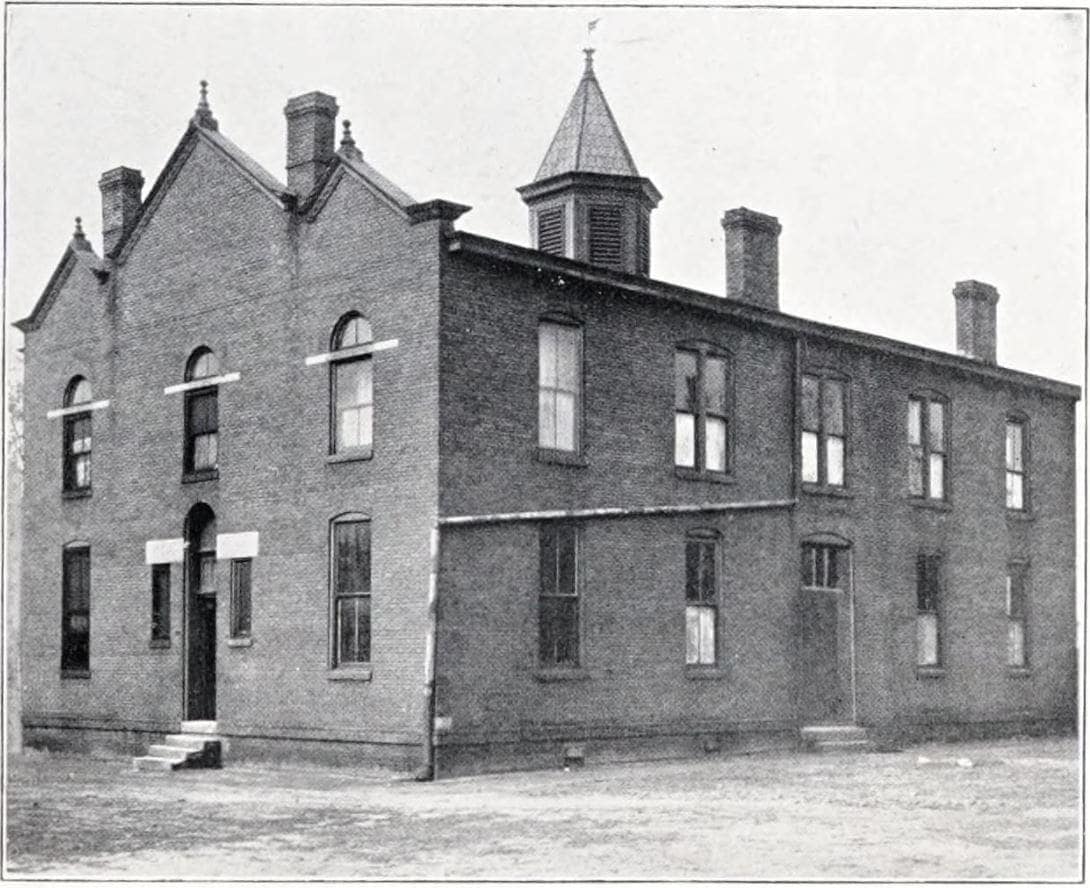
Louisiana 7
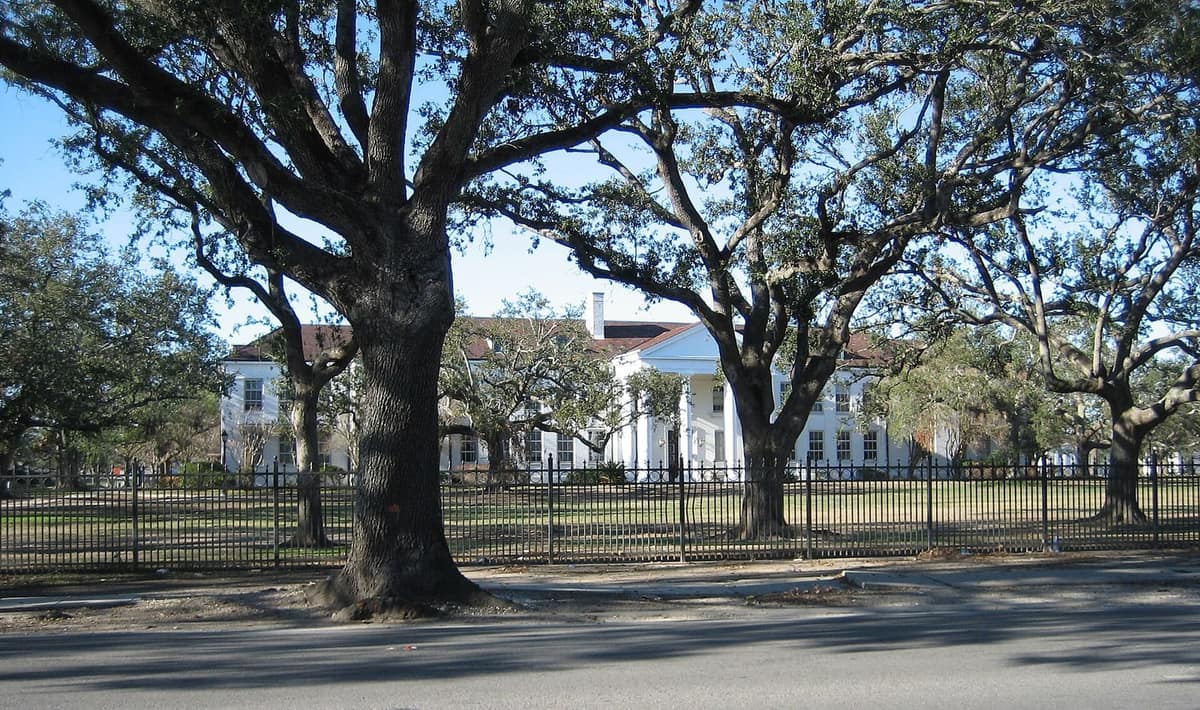
Dillard University
New Orleans. Private. Founded 1930.
~1,100 students · Bleu Devil
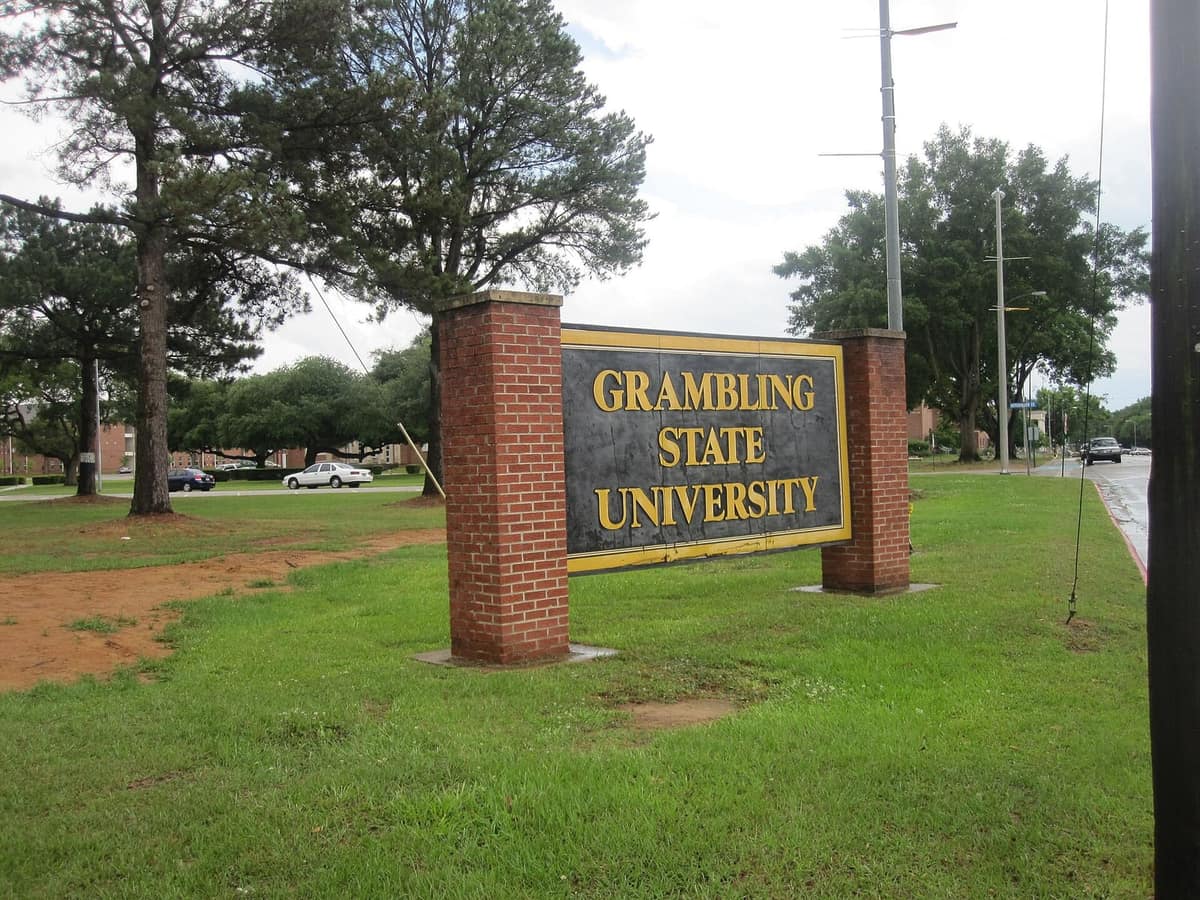
Grambling
(Grambling State University)
Grambling. Public. Founded 1901.
~5,100 students
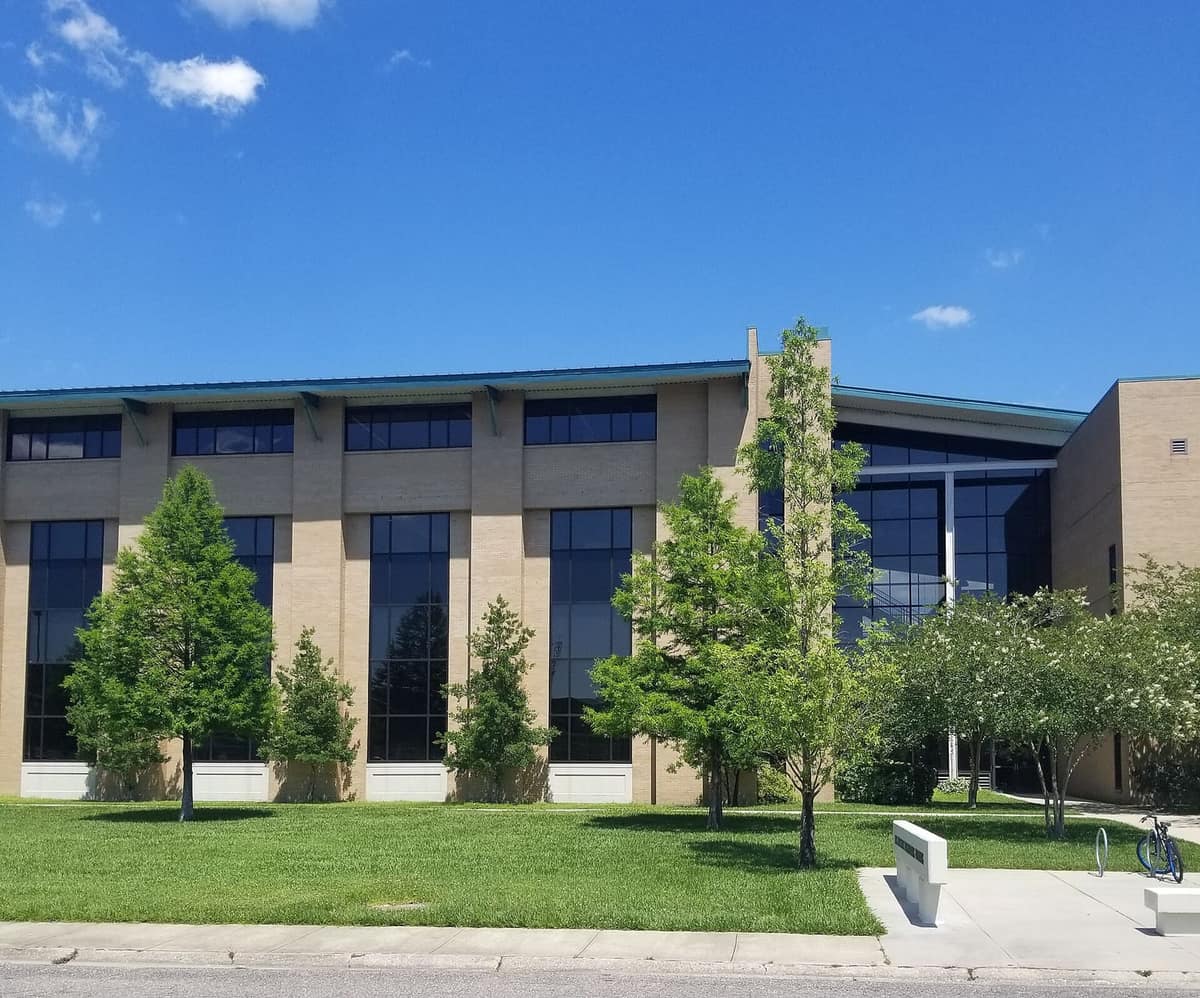
Southern University and A & M College
Baton Rouge. Public. Founded 1880.
~7,300 students
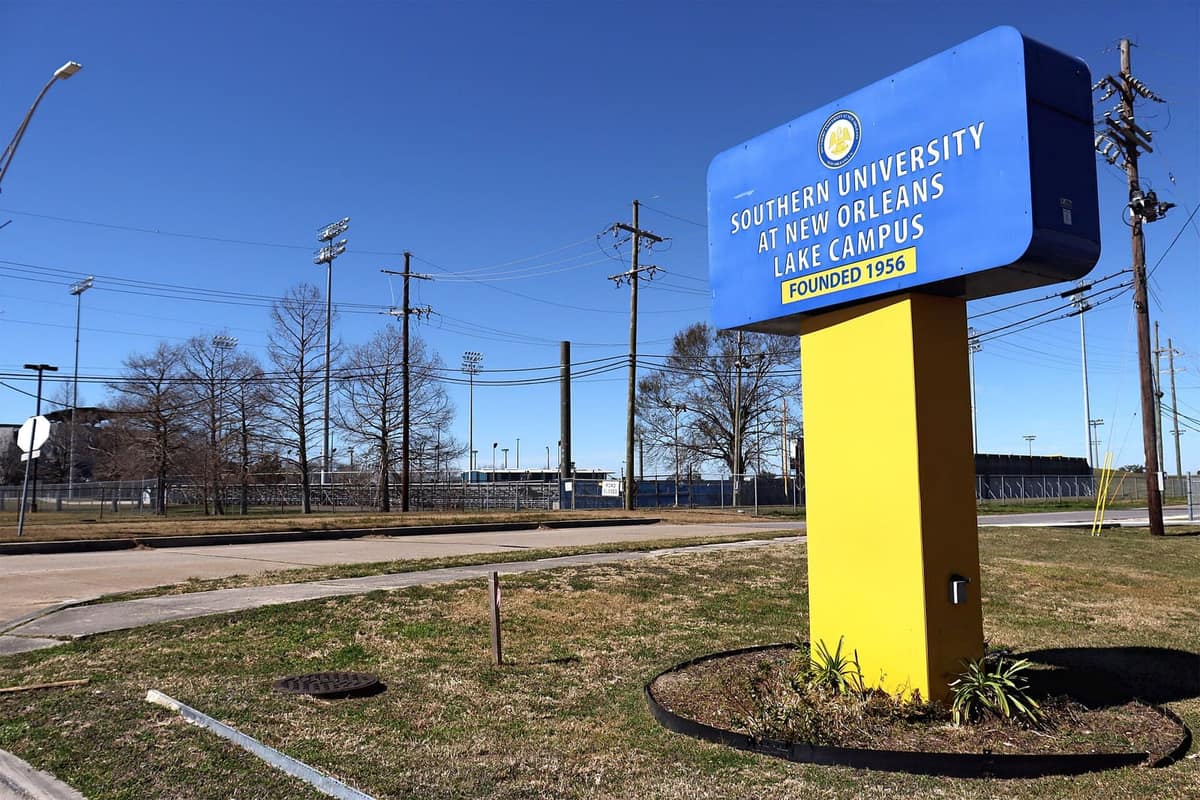
SUNO
(Southern University at New Orleans)
New Orleans. Public. Founded 1956.
~2,100 students
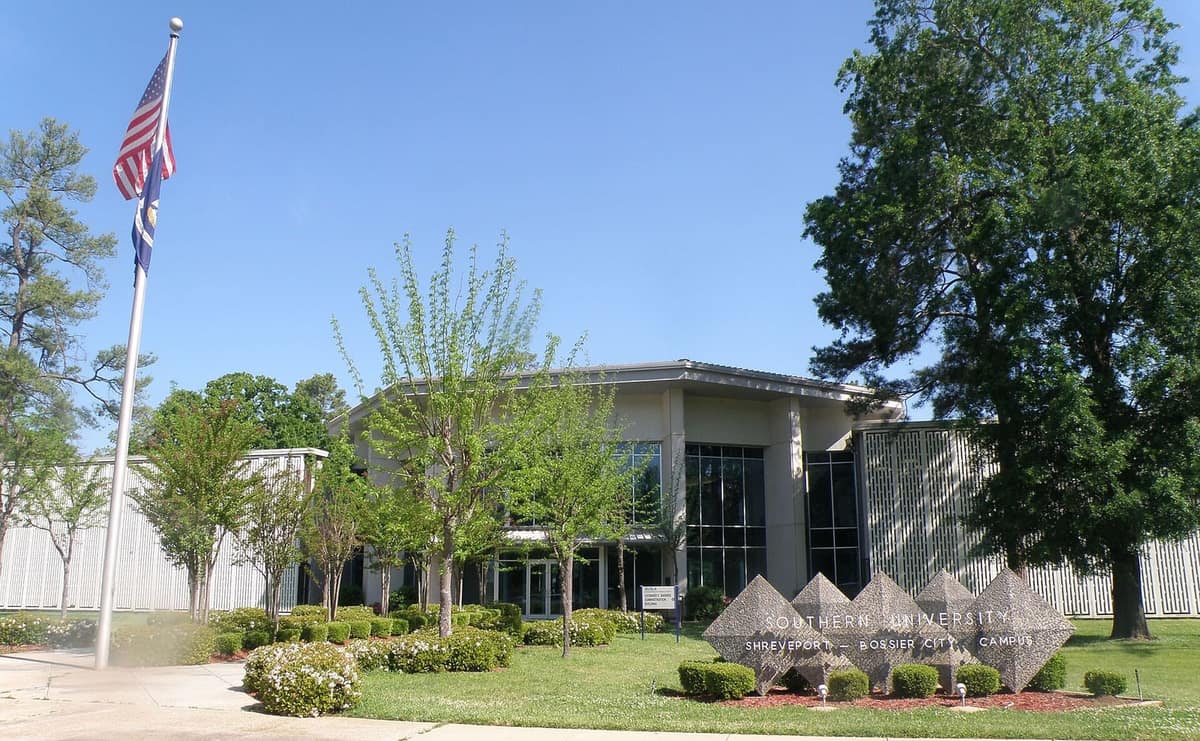
Southern University at Shreveport
Shreveport. Public. Founded 1964.
~3,200 students
Southern University Law Center
Baton Rouge. Public. Founded 1947.
~910 students
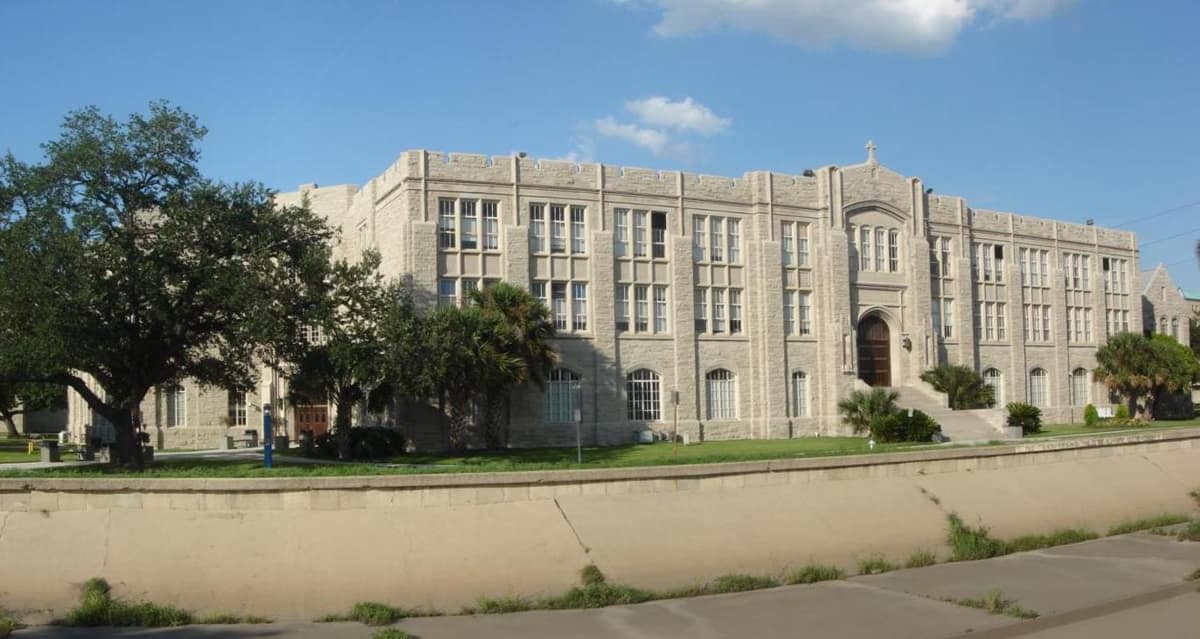
Xavier
(Xavier University of Louisiana)
New Orleans. Private. Founded 1915.
~3,200 students
Maryland 4
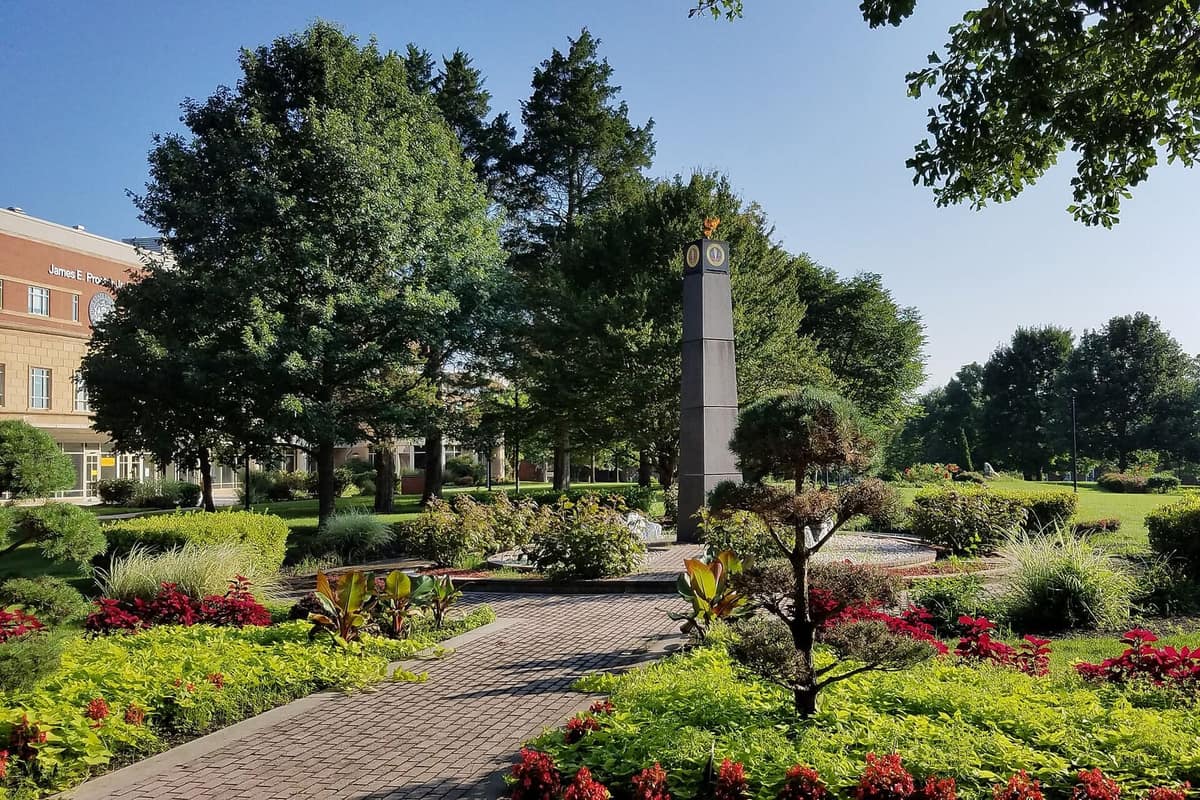
Bowie State
(Bowie State University)
Bowie. Public. Founded 1865.
~6,400 students · Bulldog
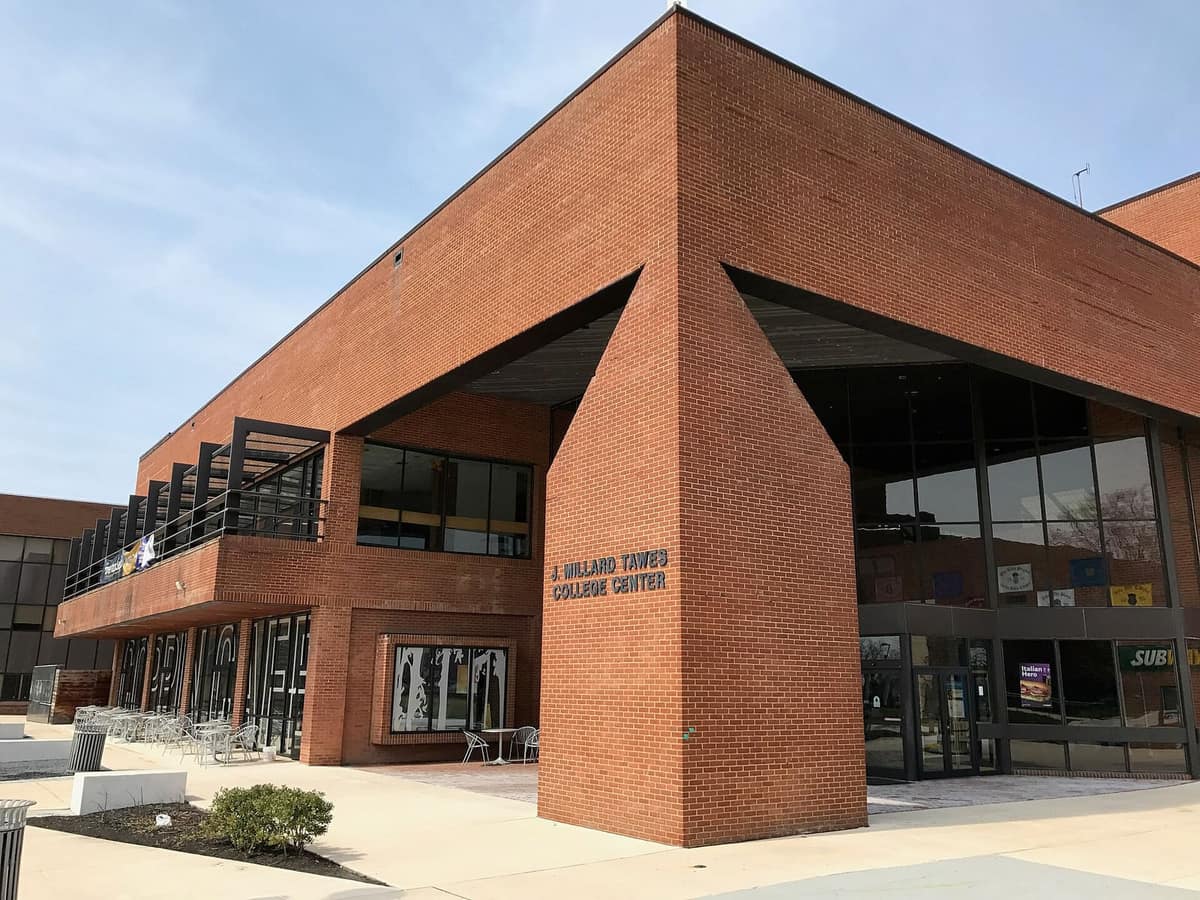
Coppin
(Coppin State University)
Baltimore. Public. Founded 1900.
~2,100 students · Eagle
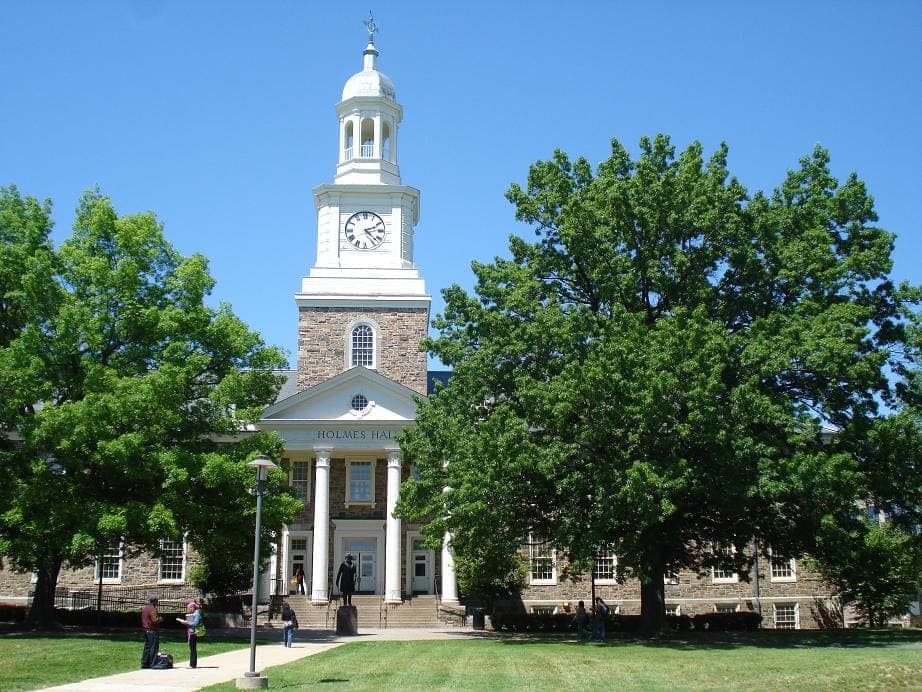
Morgan State University
Baltimore. Public. Founded 1867.
~9,800 students · Bear
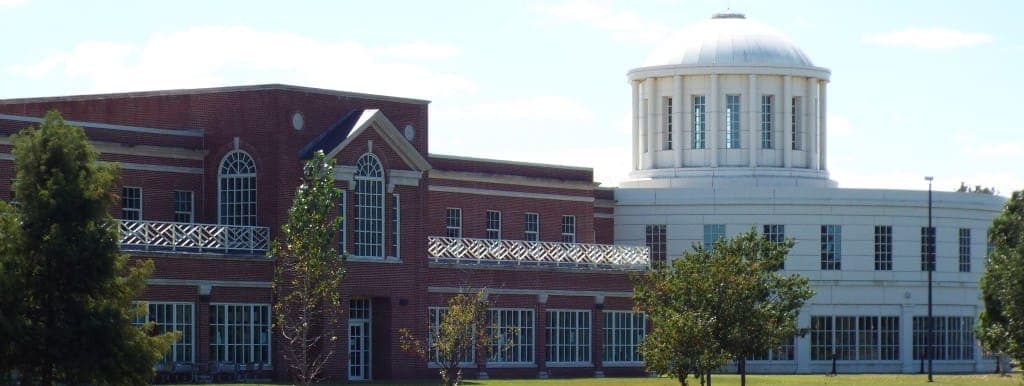
UMES
(University of Maryland Eastern Shore)
Princess Anne. Public. Founded 1886.
~2,800 students
Mississippi 6
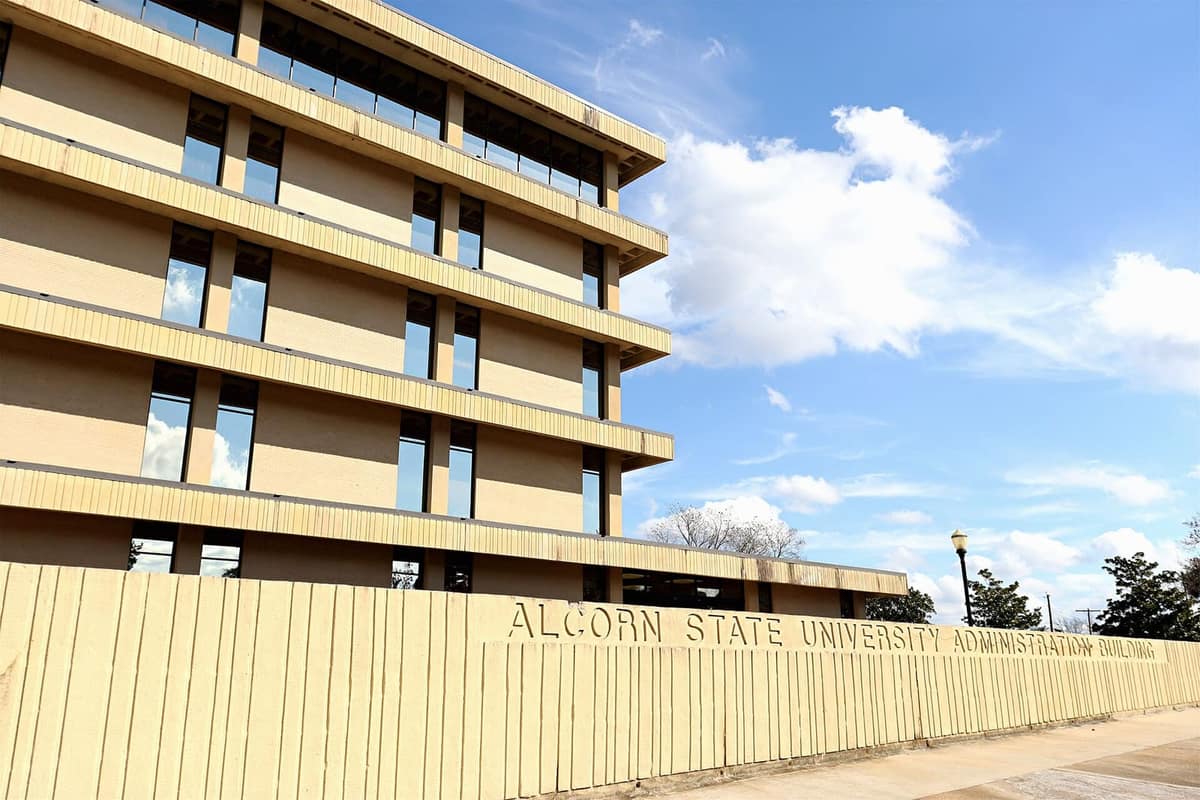
Alcorn
(Alcorn State University)
Alcorn State. Public. Founded 1871.
~2,900 students
Coahoma Community College
Clarksdale. Public. Founded 1949.
~1,800 students
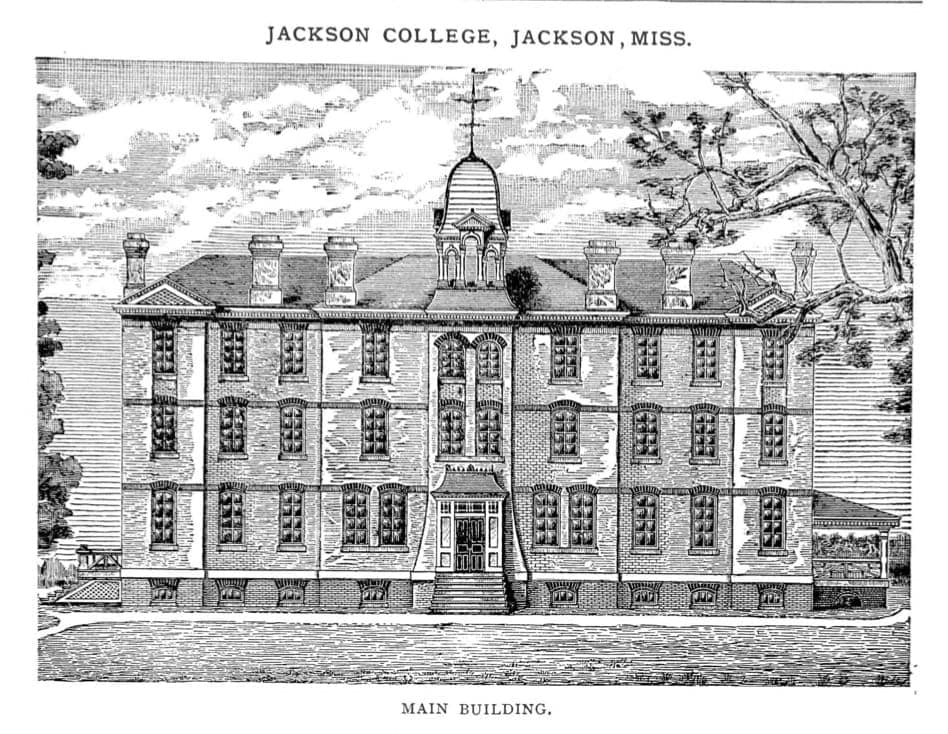
JSU
(Jackson State University)
Jackson. Public. Founded 1877.
~6,600 students
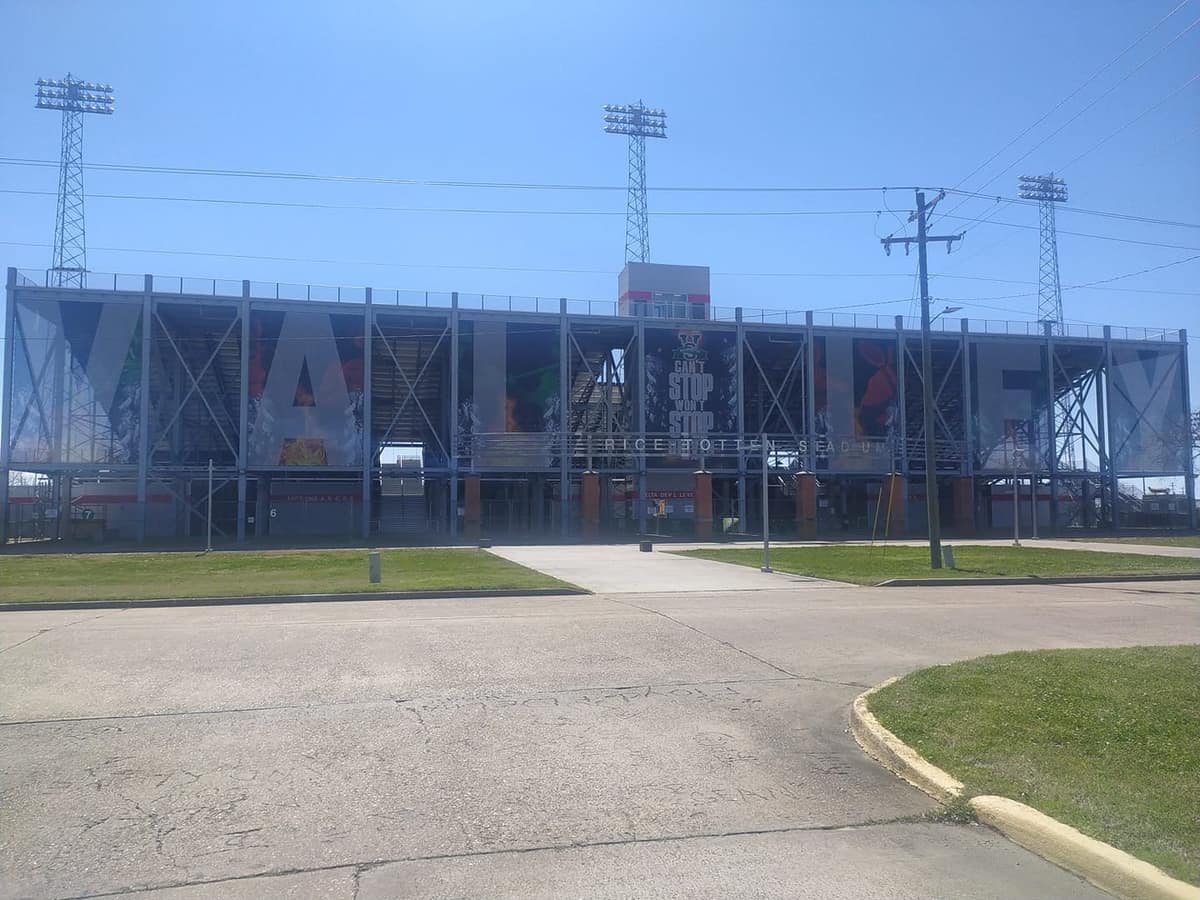
MVSU
(Mississippi Valley State University)
Itta Bena. Public. Founded 1946.
~2,200 students
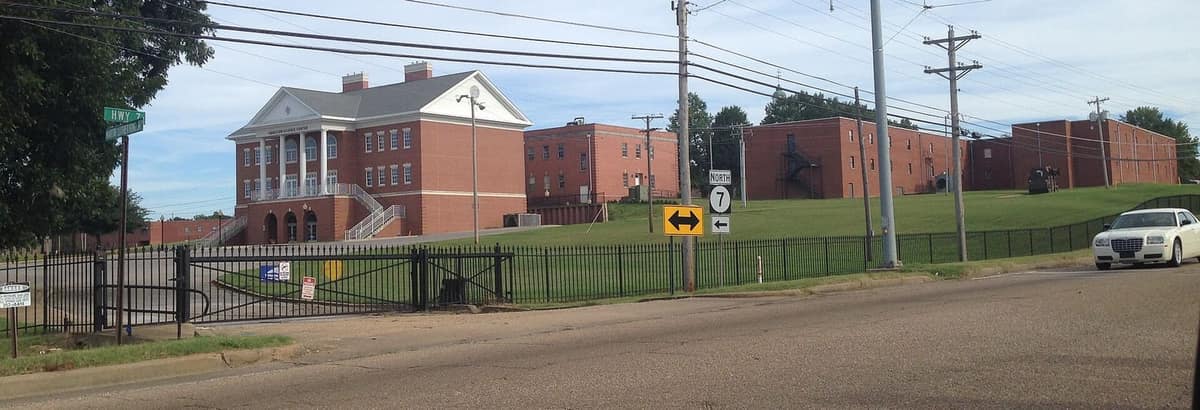
Rust College
Holly Springs. Private. Founded 1866.
~430 students
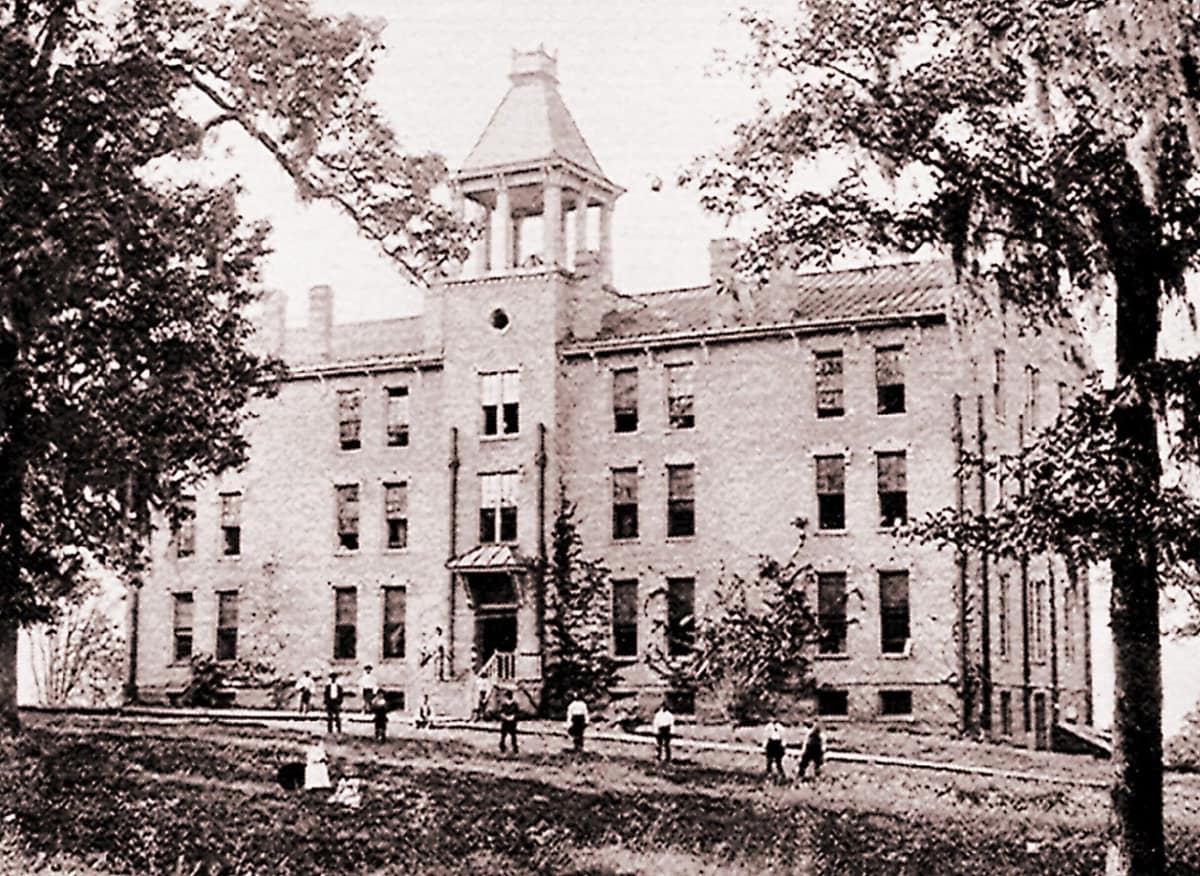
Tougaloo
(Tougaloo College)
Tougaloo. Private. Founded 1869.
~730 students
Missouri 2
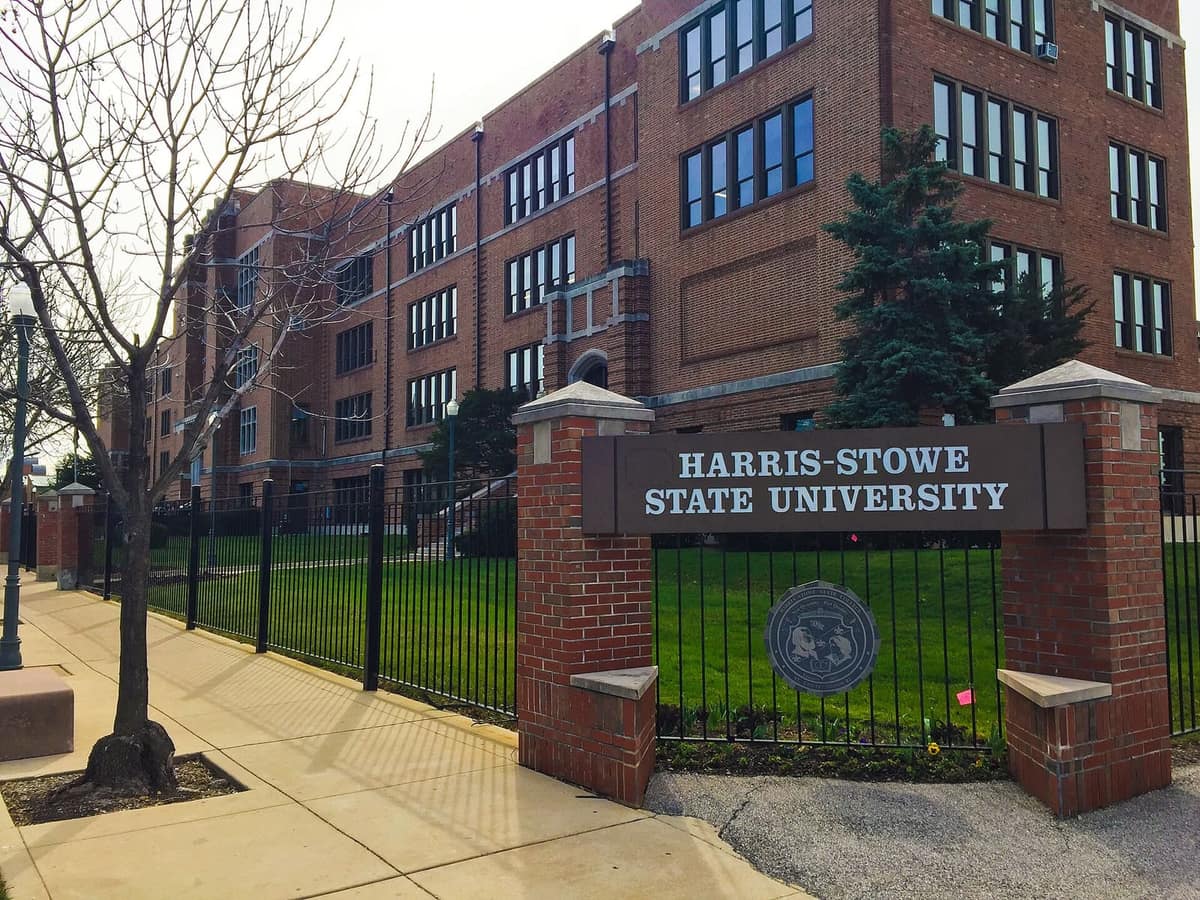
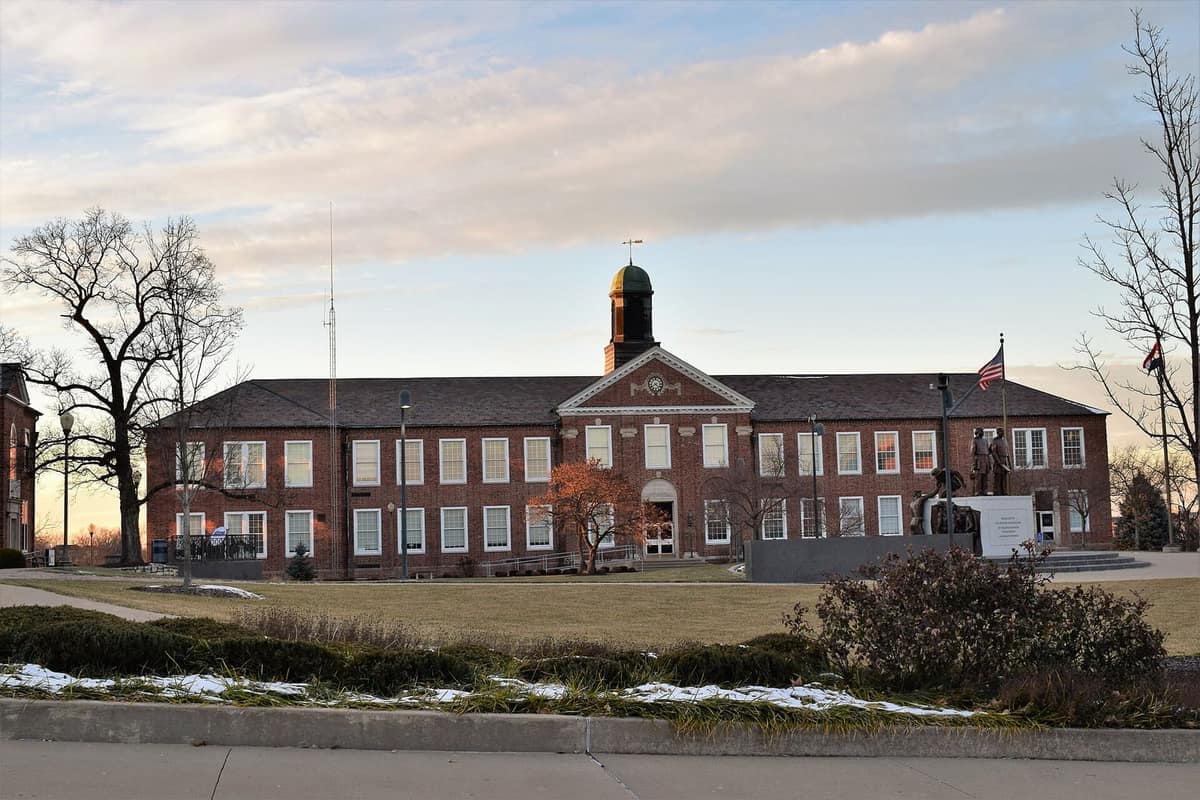
North Carolina 10
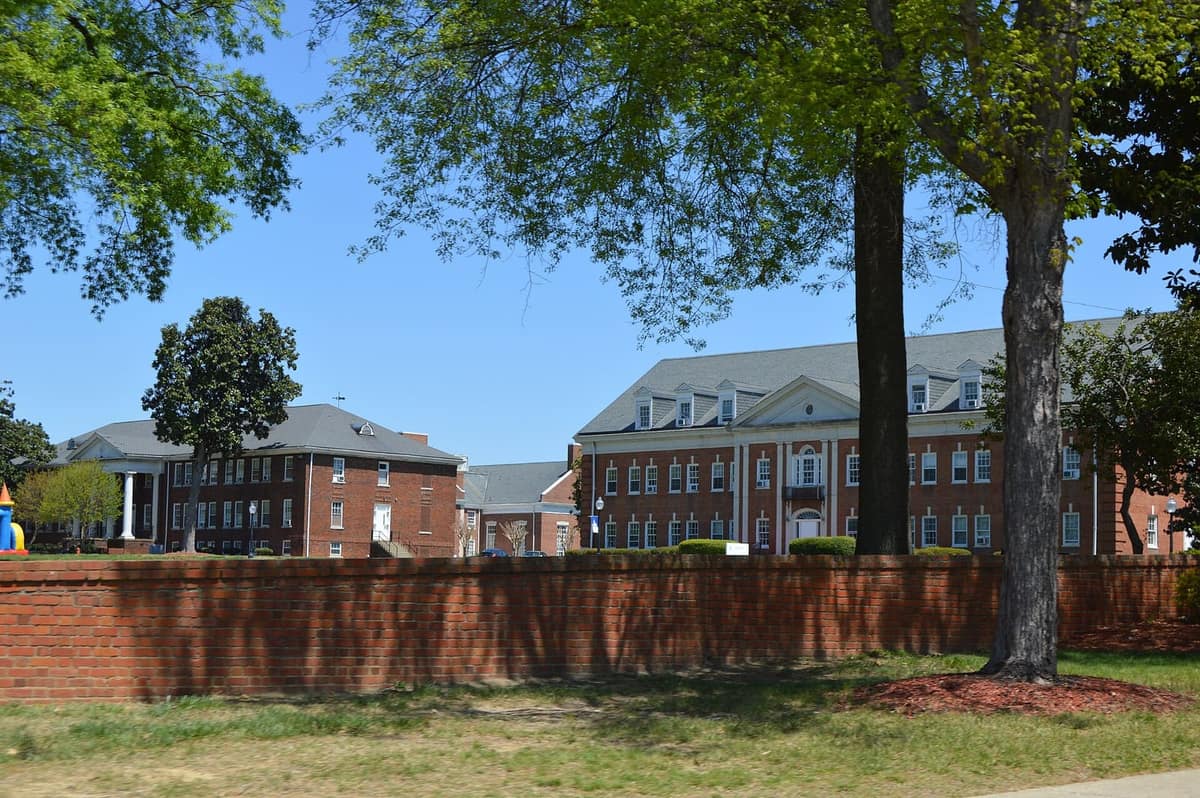
Bennett College
Greensboro. Private. Founded 1873.
~200 students
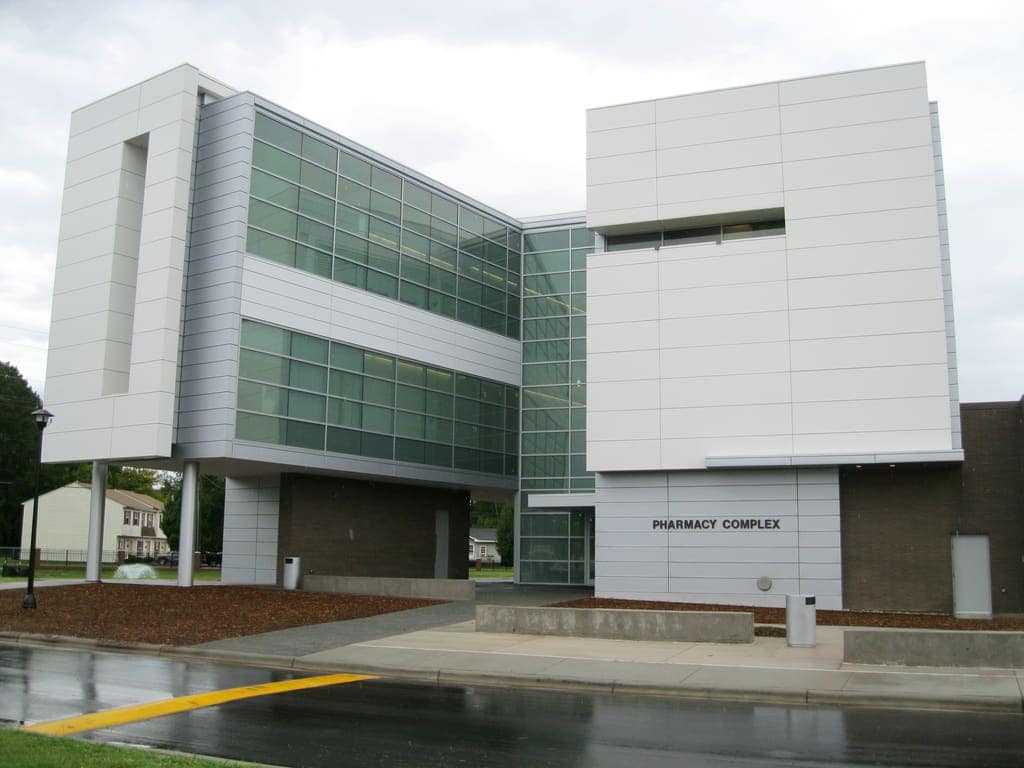
ECSU
(Elizabeth City State University)
Elizabeth City. Public. Founded 1891.
~2,200 students
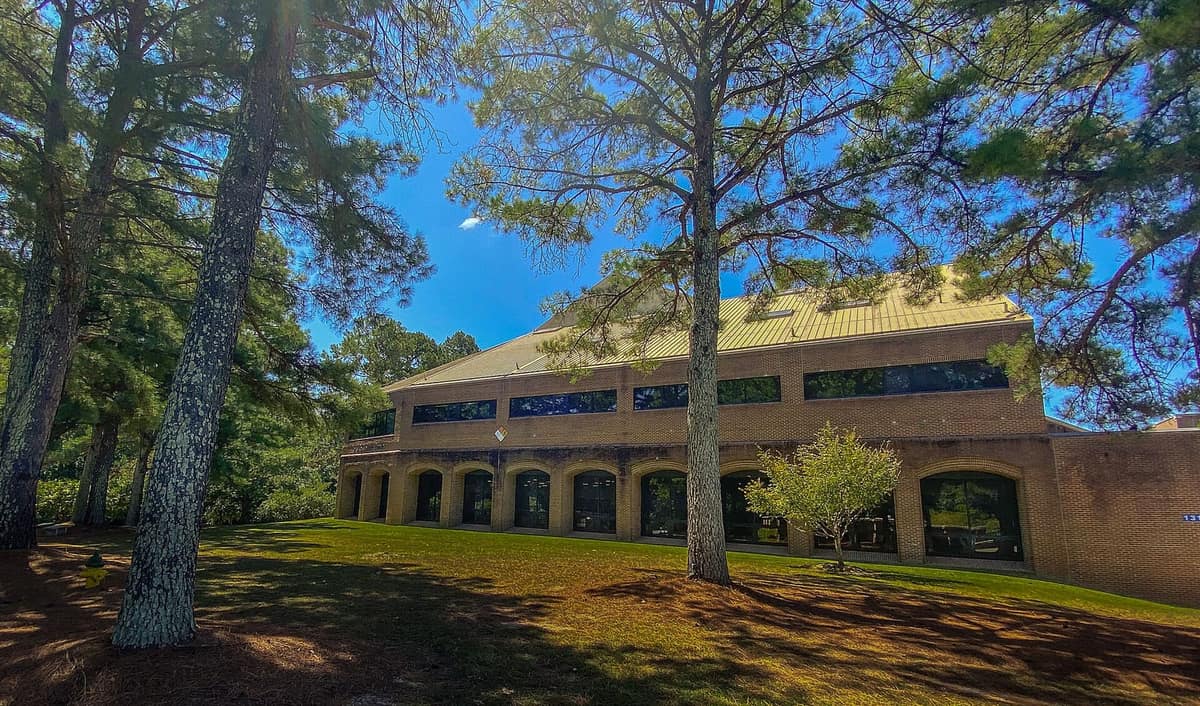
FSU
(Fayetteville State University)
Fayetteville. Public. Founded 1867.
~6,800 students
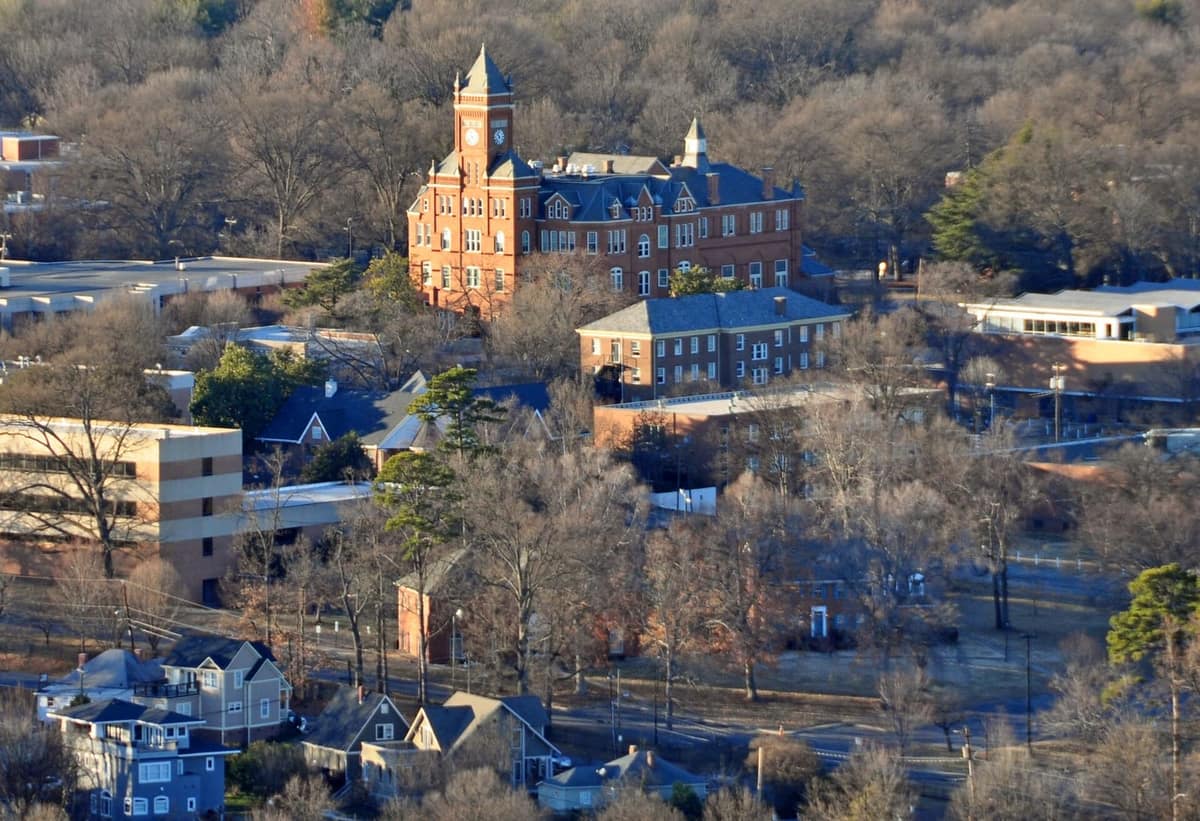
JCSU
(Johnson C Smith University)
Charlotte. Private. Founded 1867.
~1,100 students
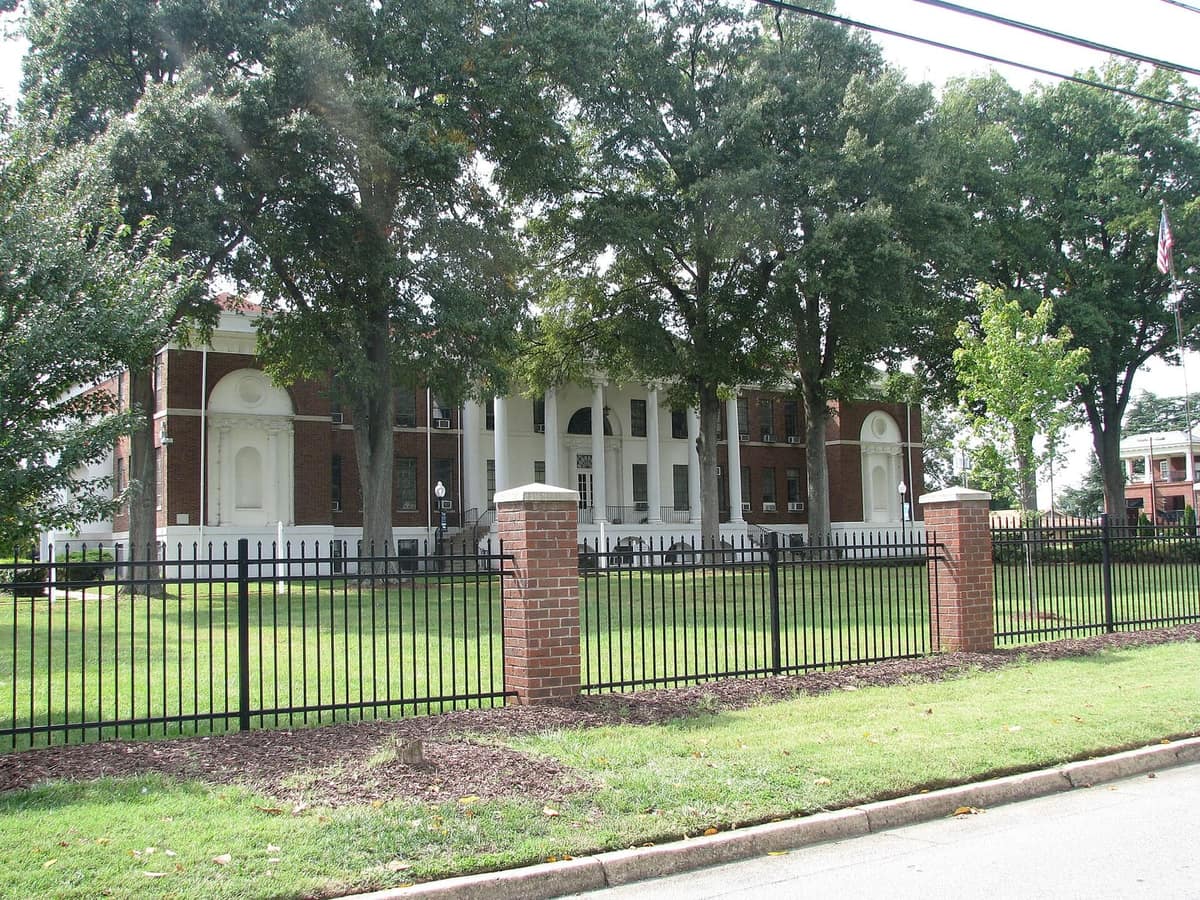
Livingstone College
Salisbury. Private. Founded 1879.
~810 students
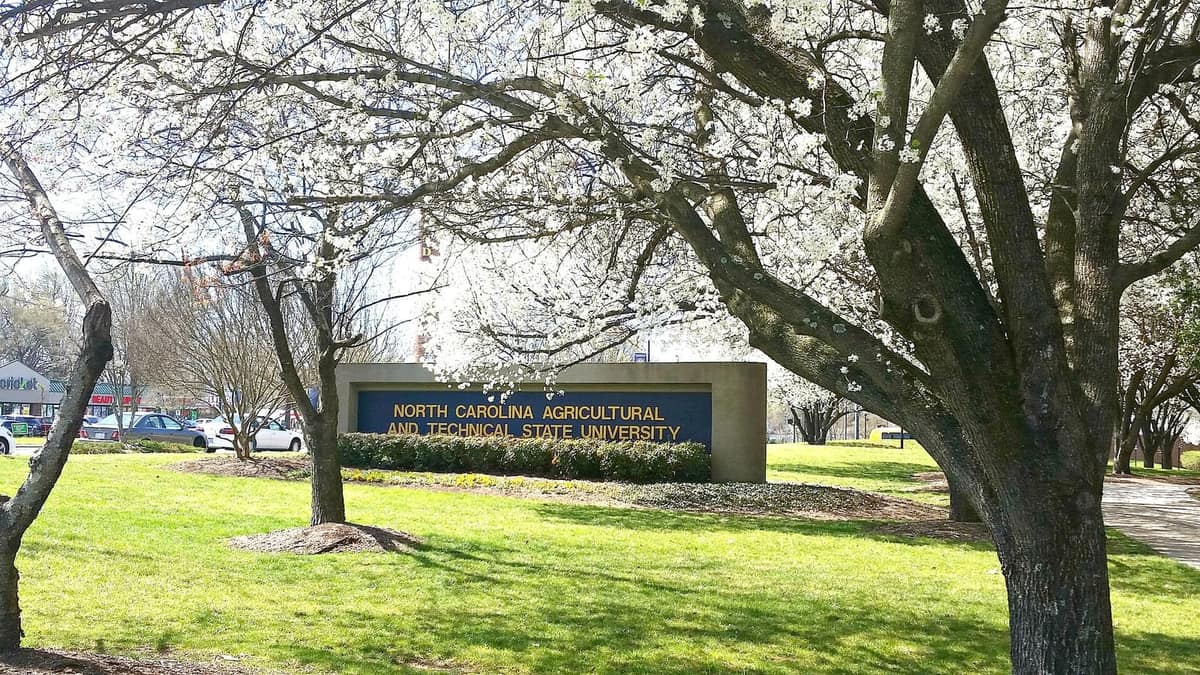
N.C. A&T
(North Carolina A & T State University)
Greensboro. Public. Founded 1891.
~14,000 students
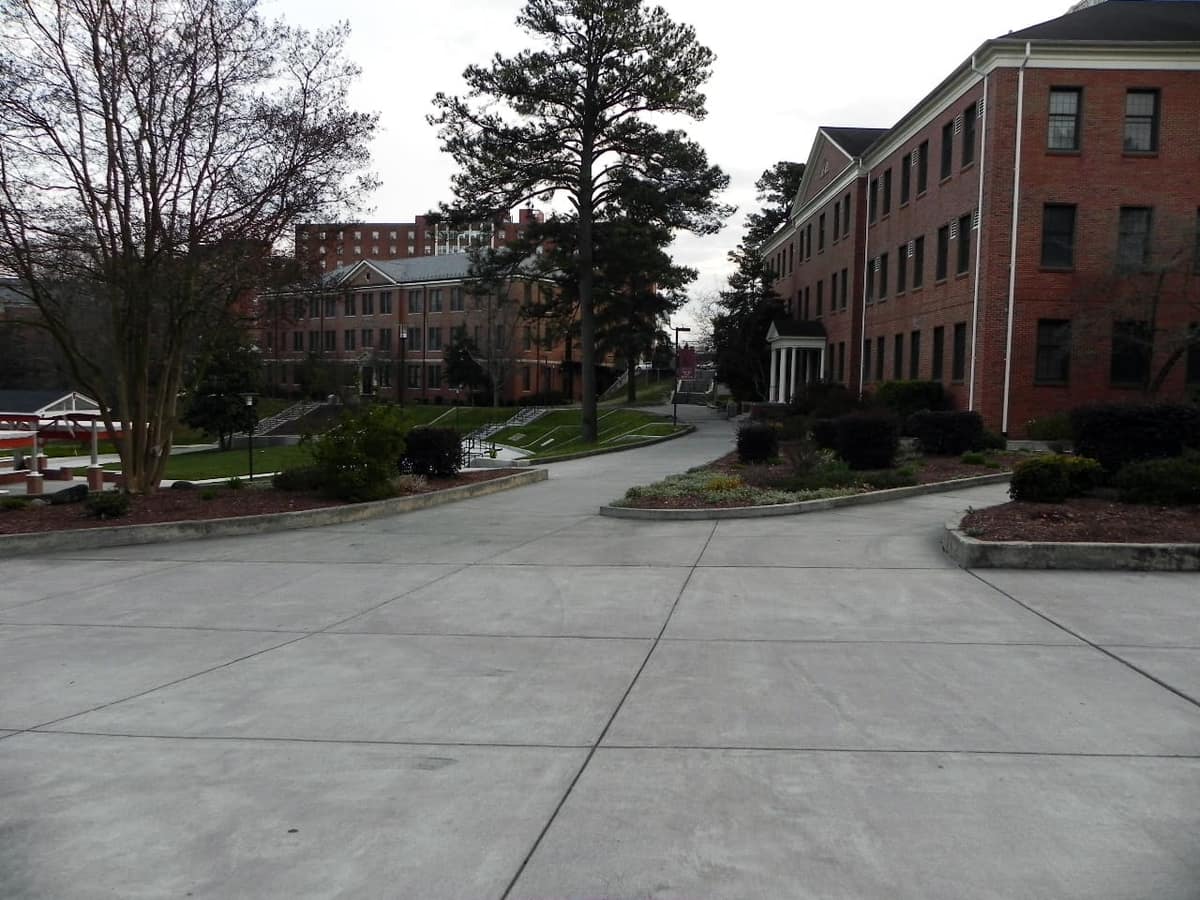
NCCU
(North Carolina Central University)
Durham. Public. Founded 1910.
~8,000 students
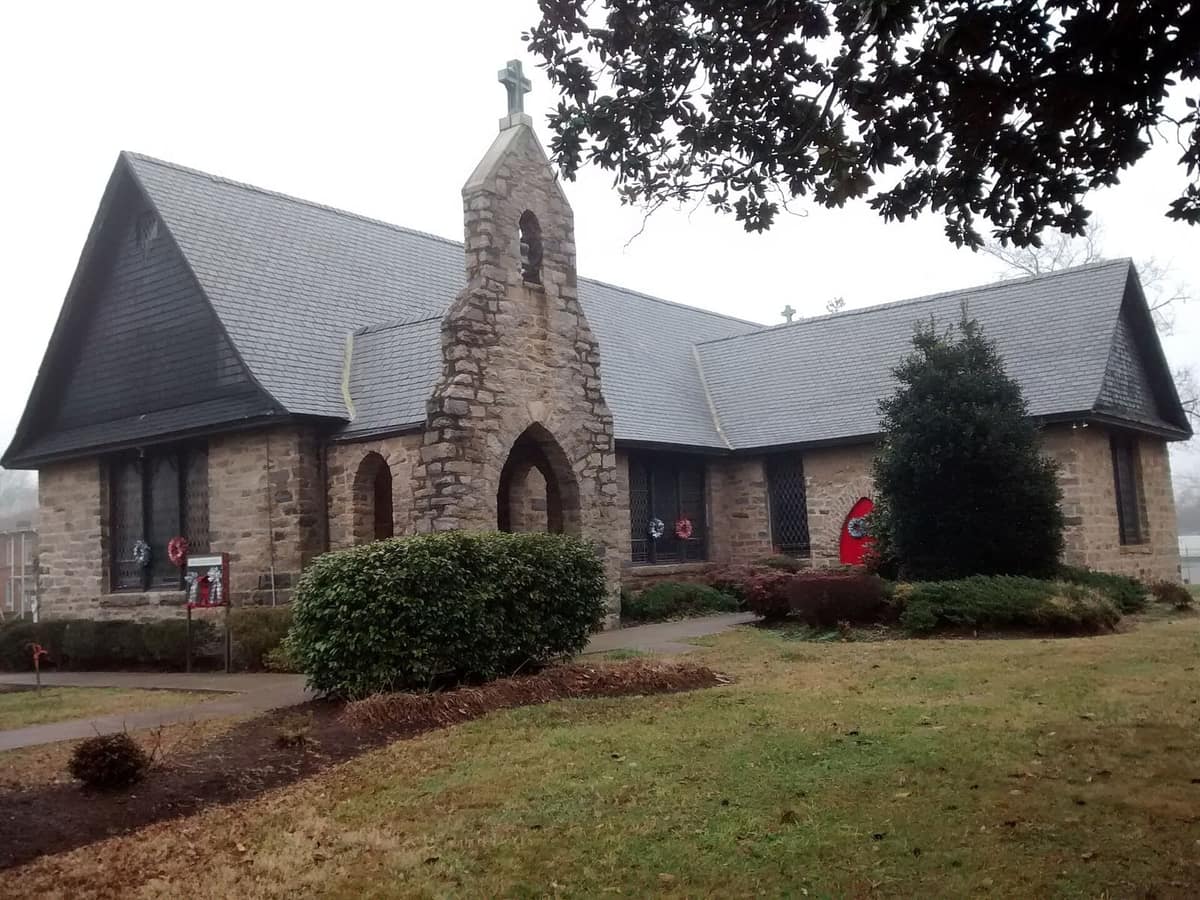
SAU
(Saint Augustine's University)
Raleigh. Private. Founded 1867.
~940 students
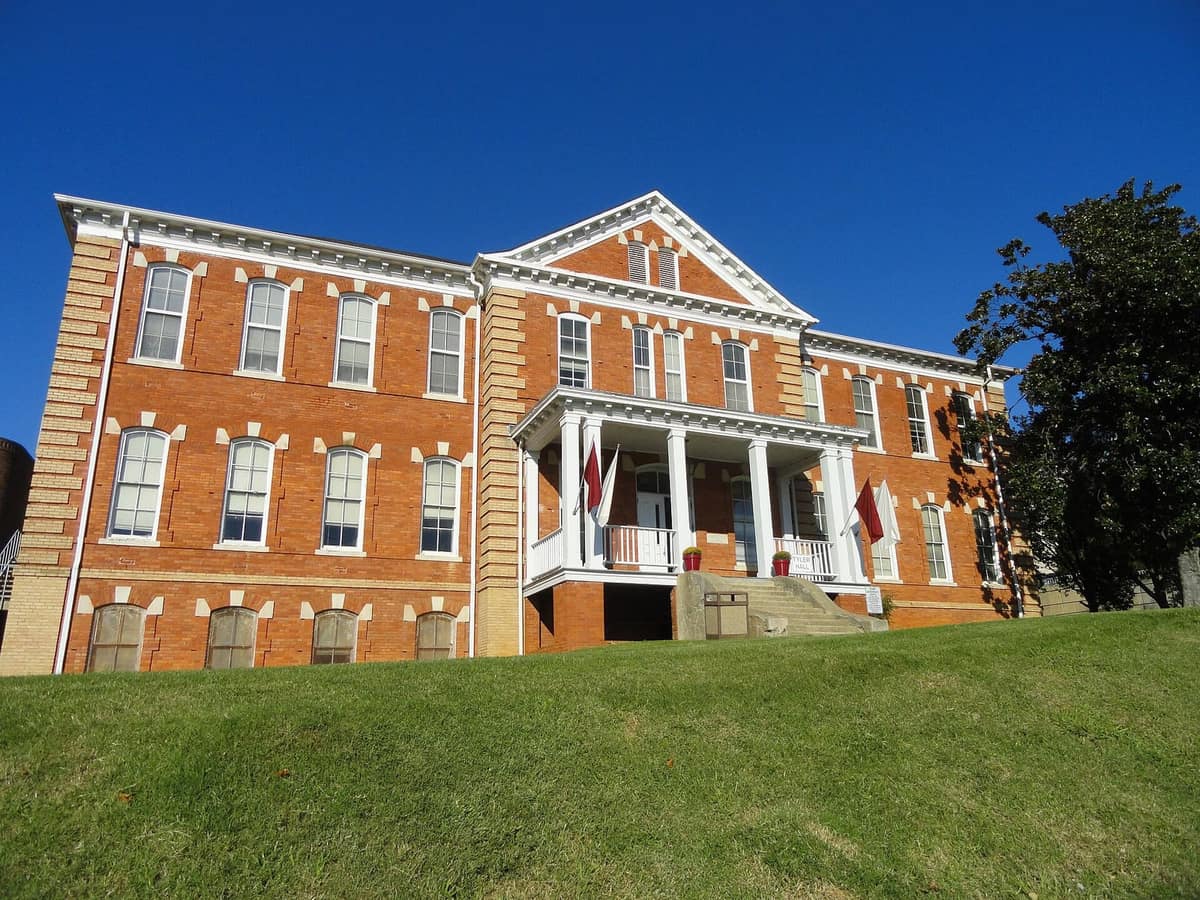
Shaw
(Shaw University)
Raleigh. Private. Founded 1865.
~960 students
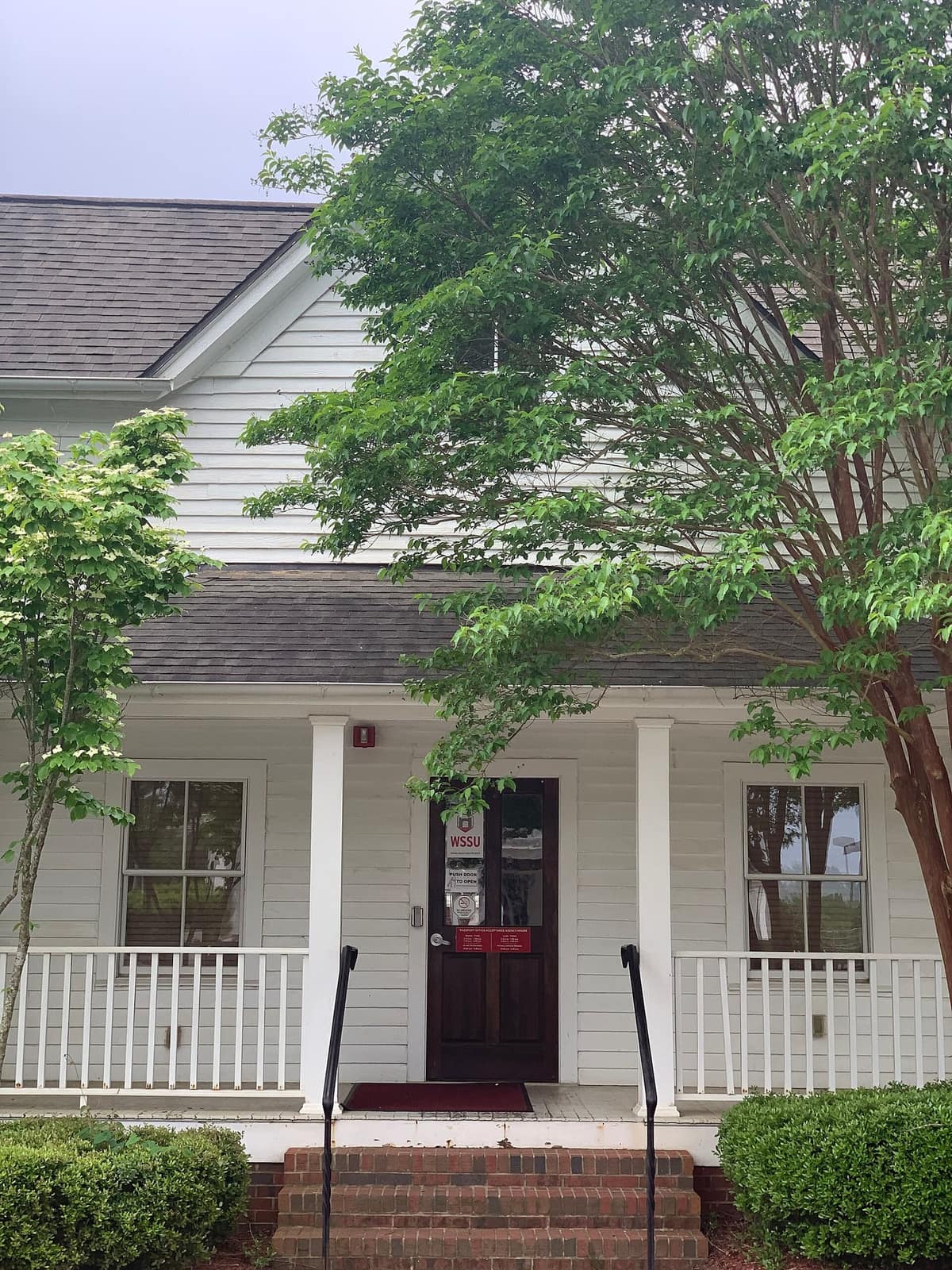
WSSU
(Winston-Salem State University)
Winston-Salem. Public. Founded 1892.
~4,800 students · Ram
Ohio 2
Pennsylvania 2
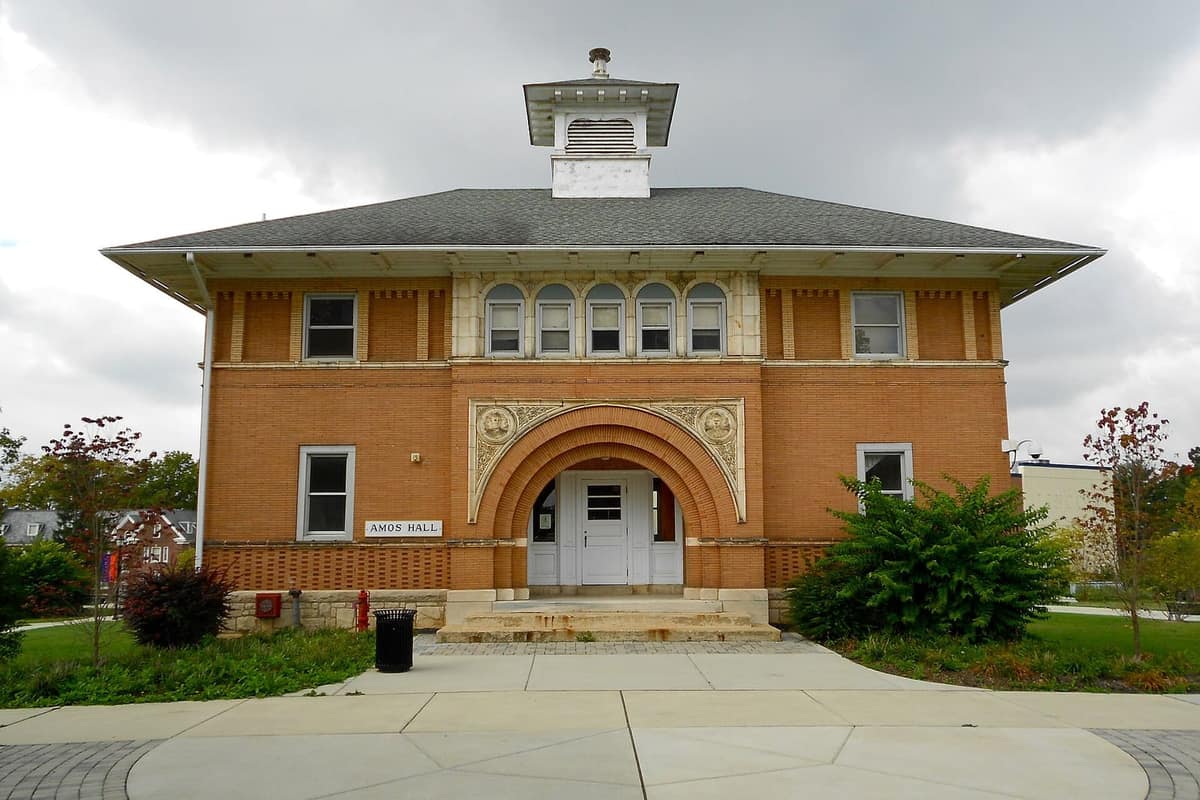
South Carolina 8
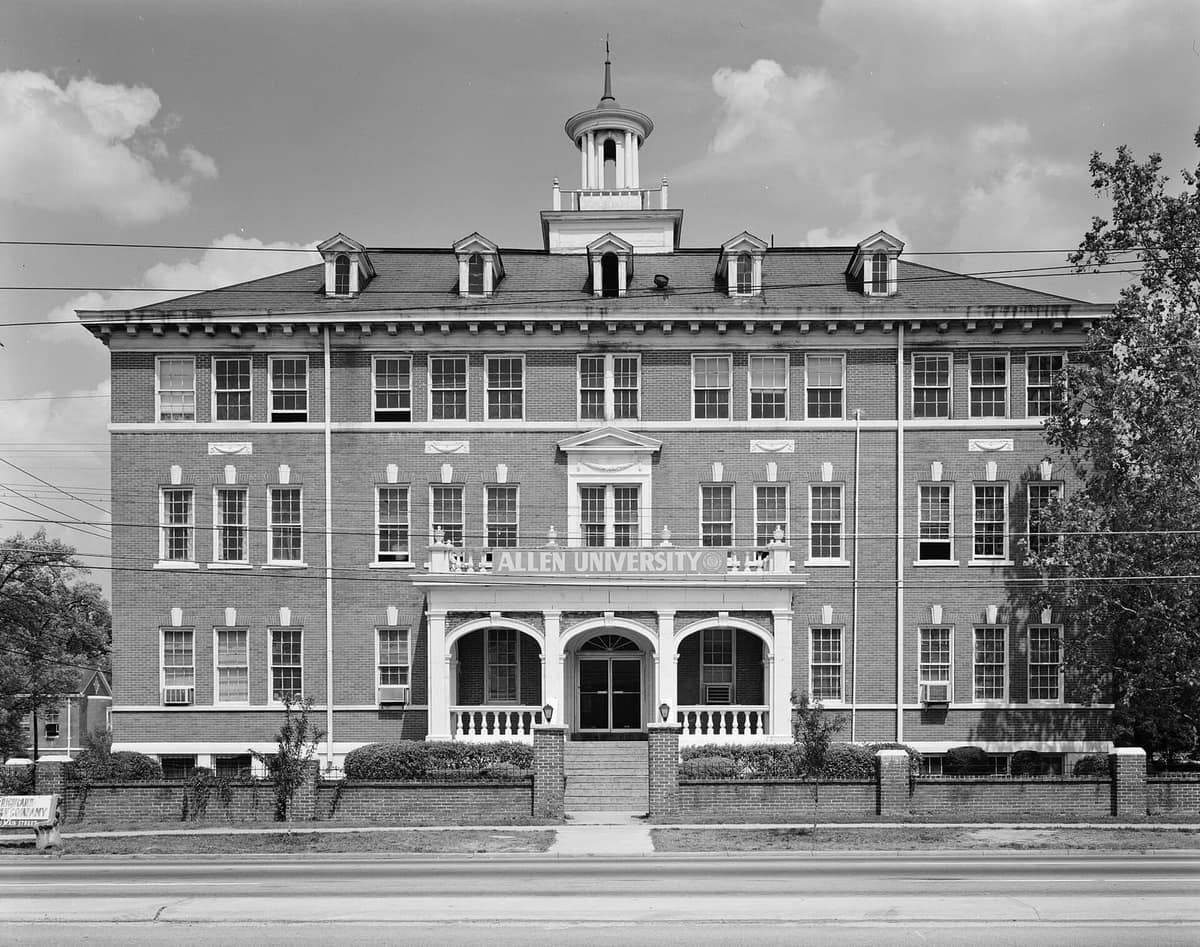
Allen University
Columbia. Private. Founded 1870.
~680 students
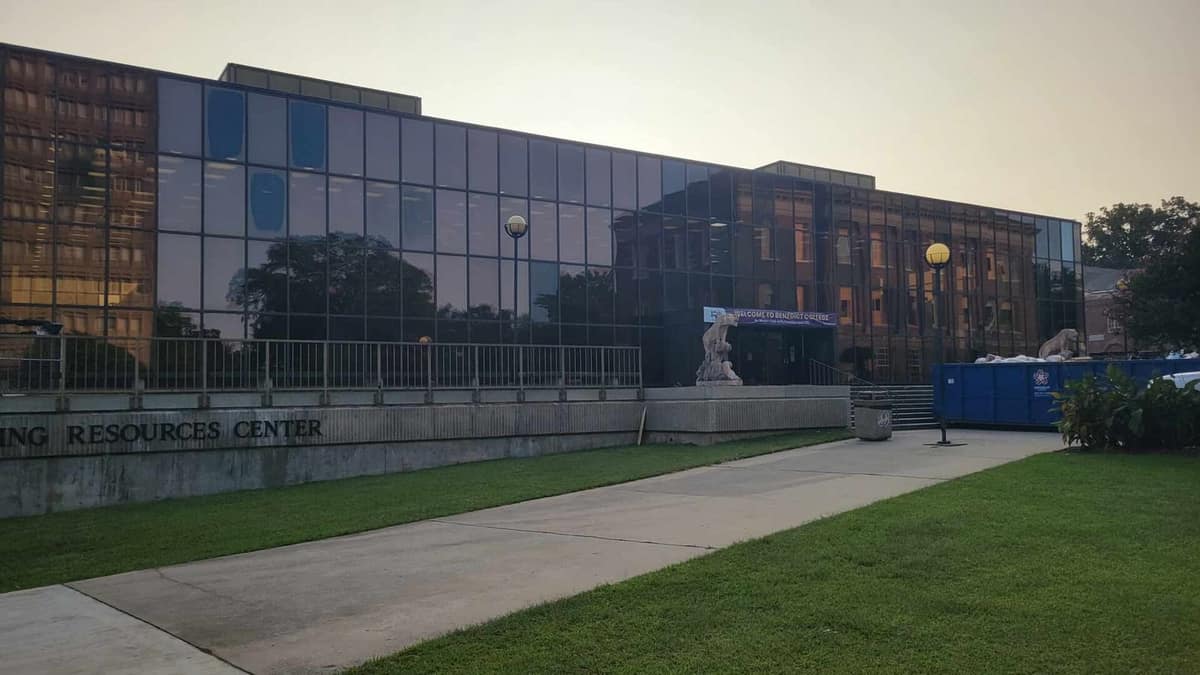
Benedict College
Columbia. Private. Founded 1870.
~1,700 students
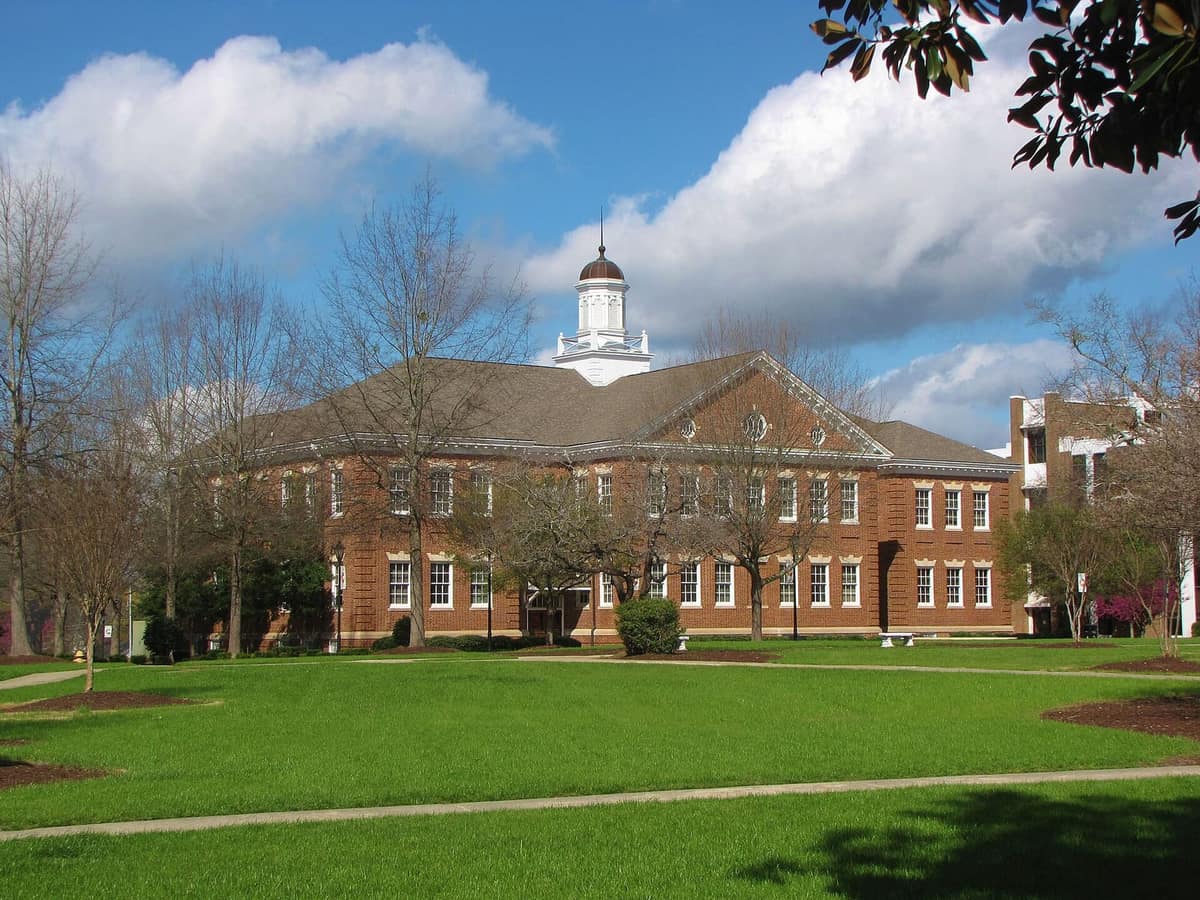
Claflin
(Claflin University)
Orangeburg. Private. Founded 1869.
~1,800 students
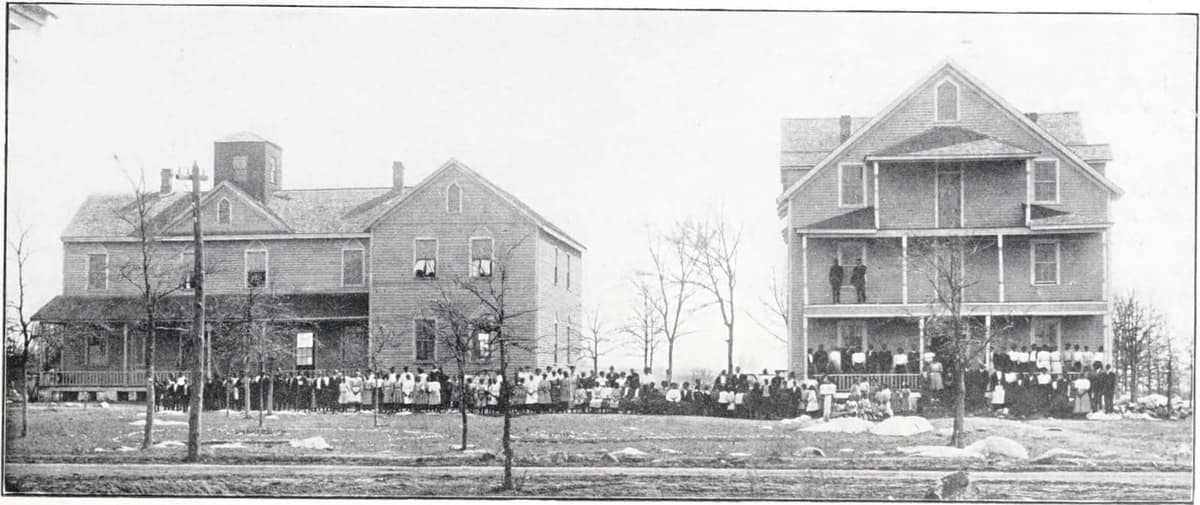
Clinton
(Clinton College)
Rock Hill. Private. Founded 1894.
~110 students
DTC
(Denmark Technical College)
Denmark. Public. Founded 1947.
~650 students
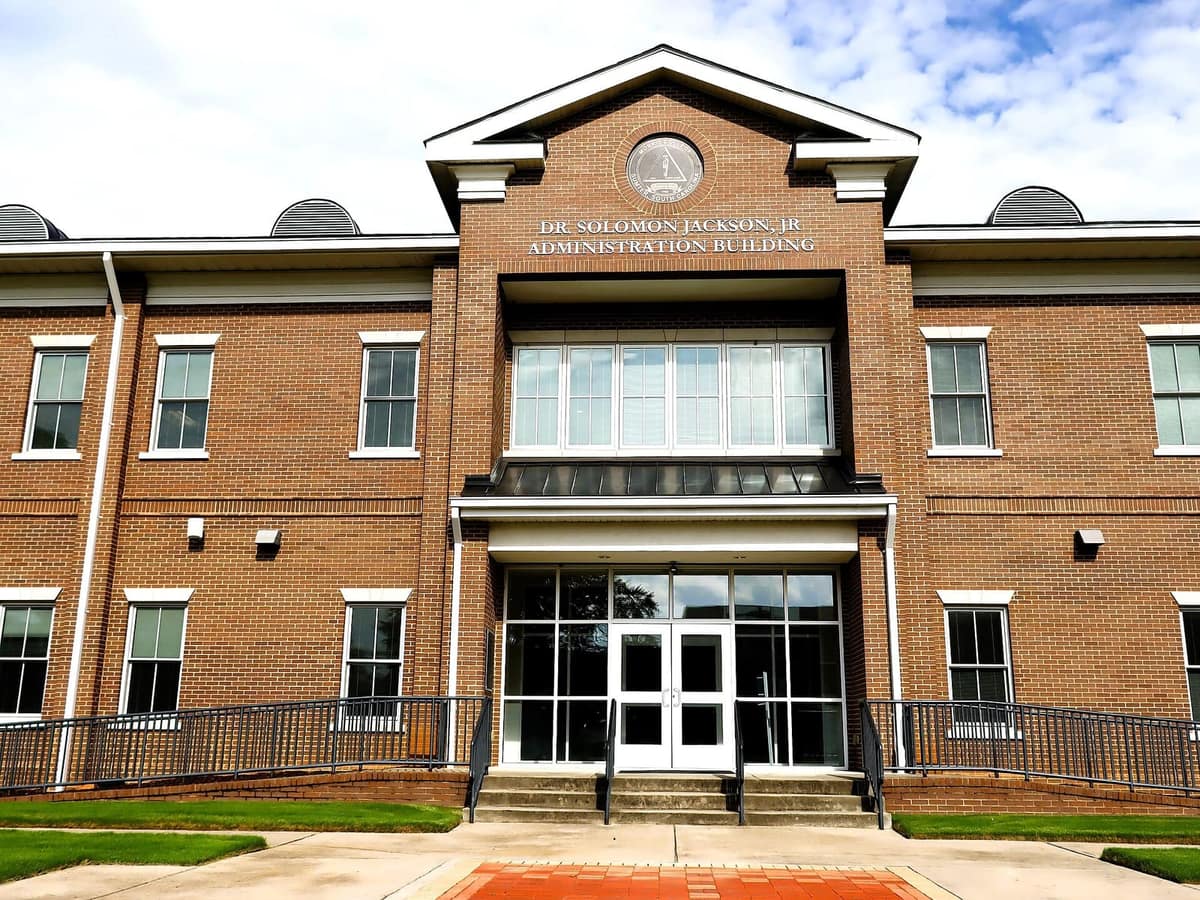
Morris
(Morris College)
Sumter. Private. Founded 1908.
~420 students
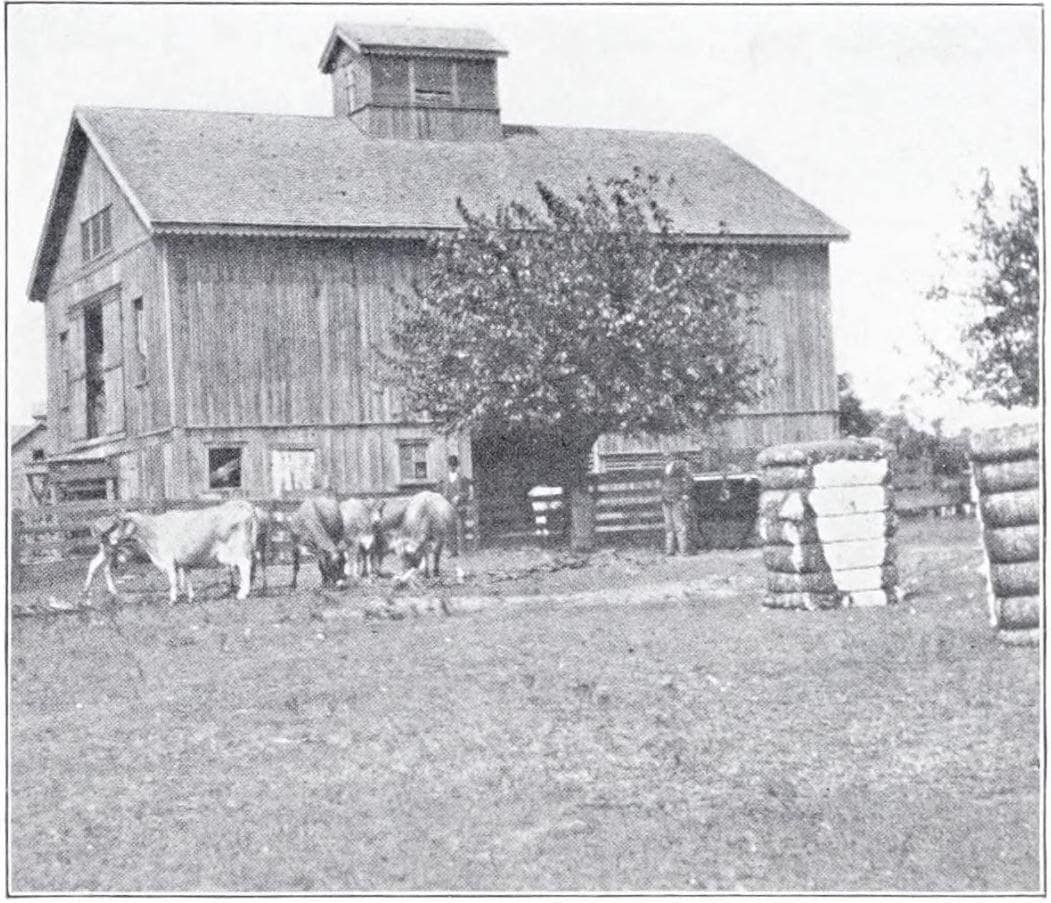
SC State
(South Carolina State University)
Orangeburg. Public. Founded 1896.
~3,000 students · Bulldog
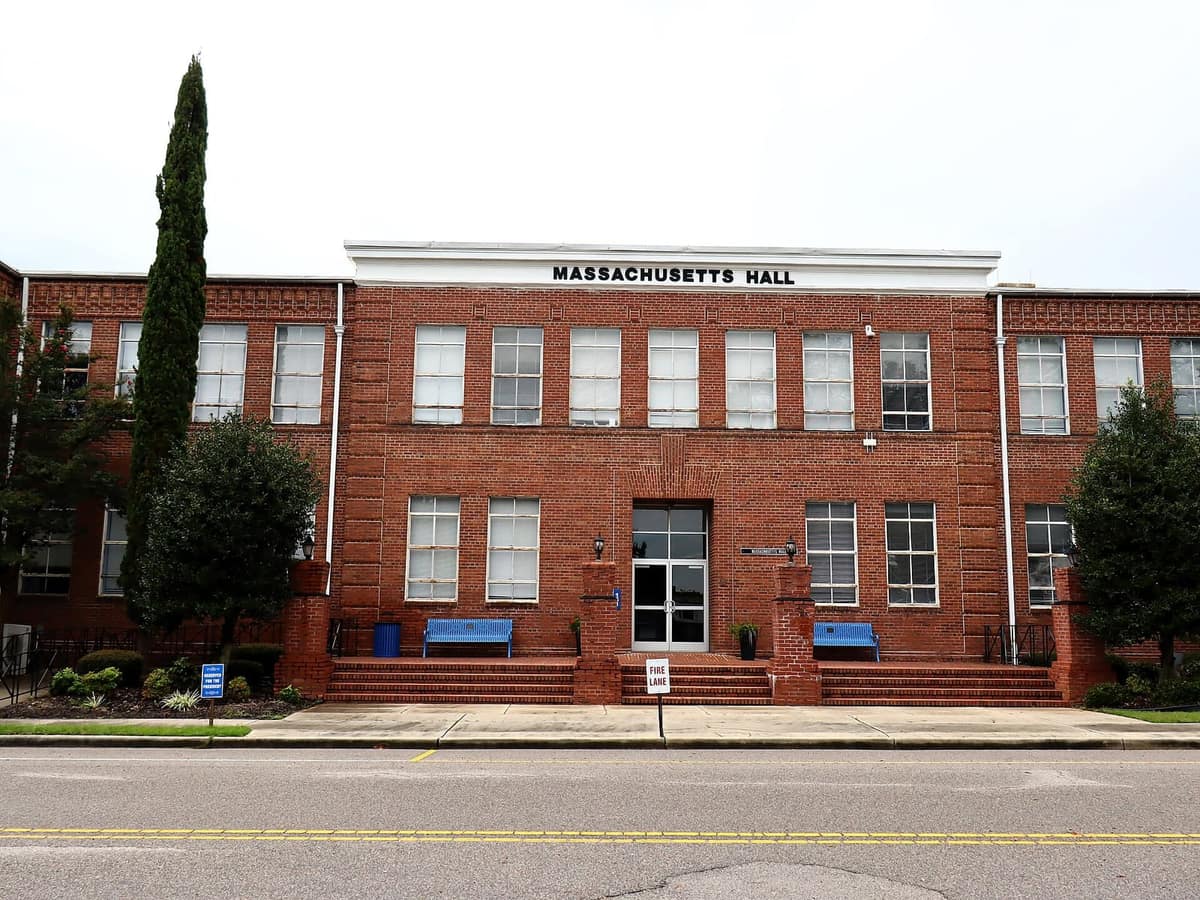
Voorhees
(Voorhees University)
Denmark. Private. Founded 1897.
~520 students
Tennessee 6
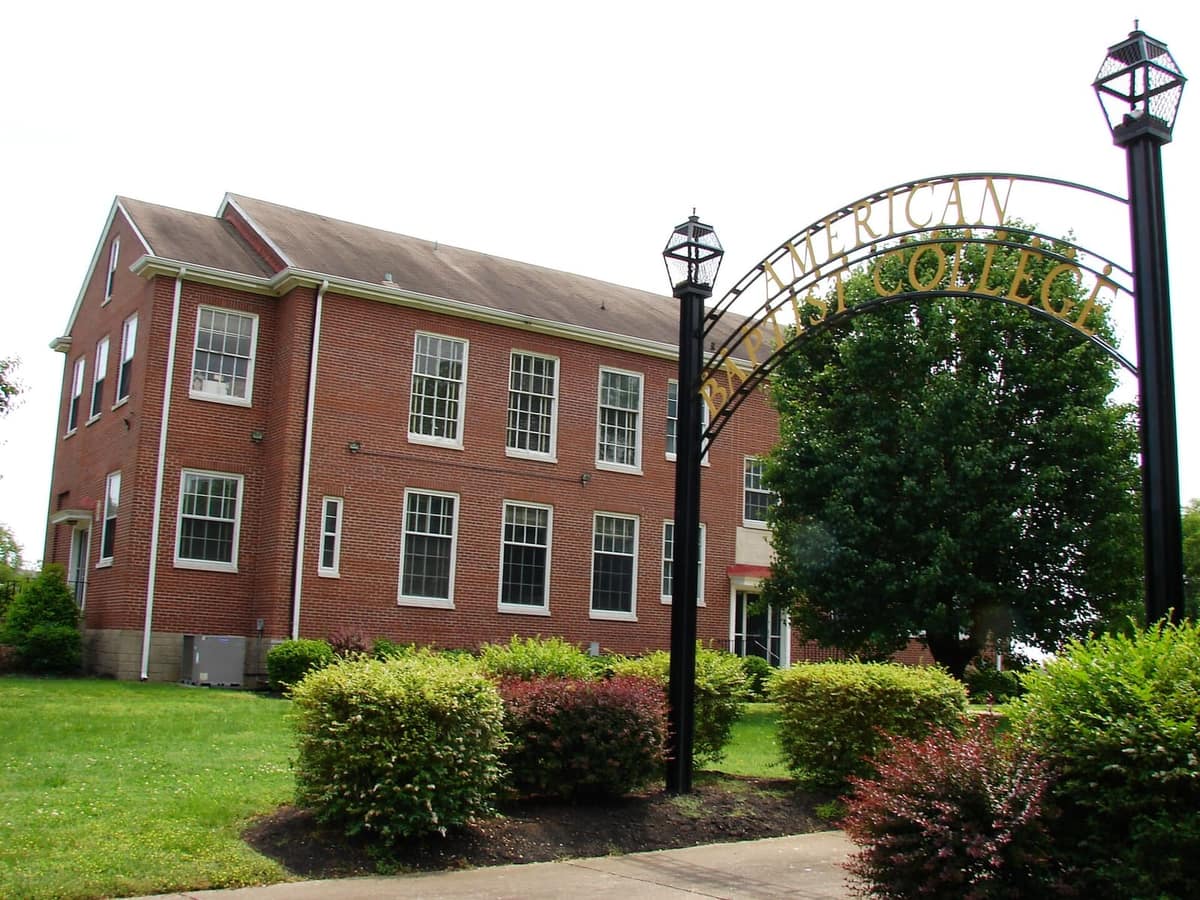
American Baptist College
Nashville. Private. Founded 1924.
~50 students
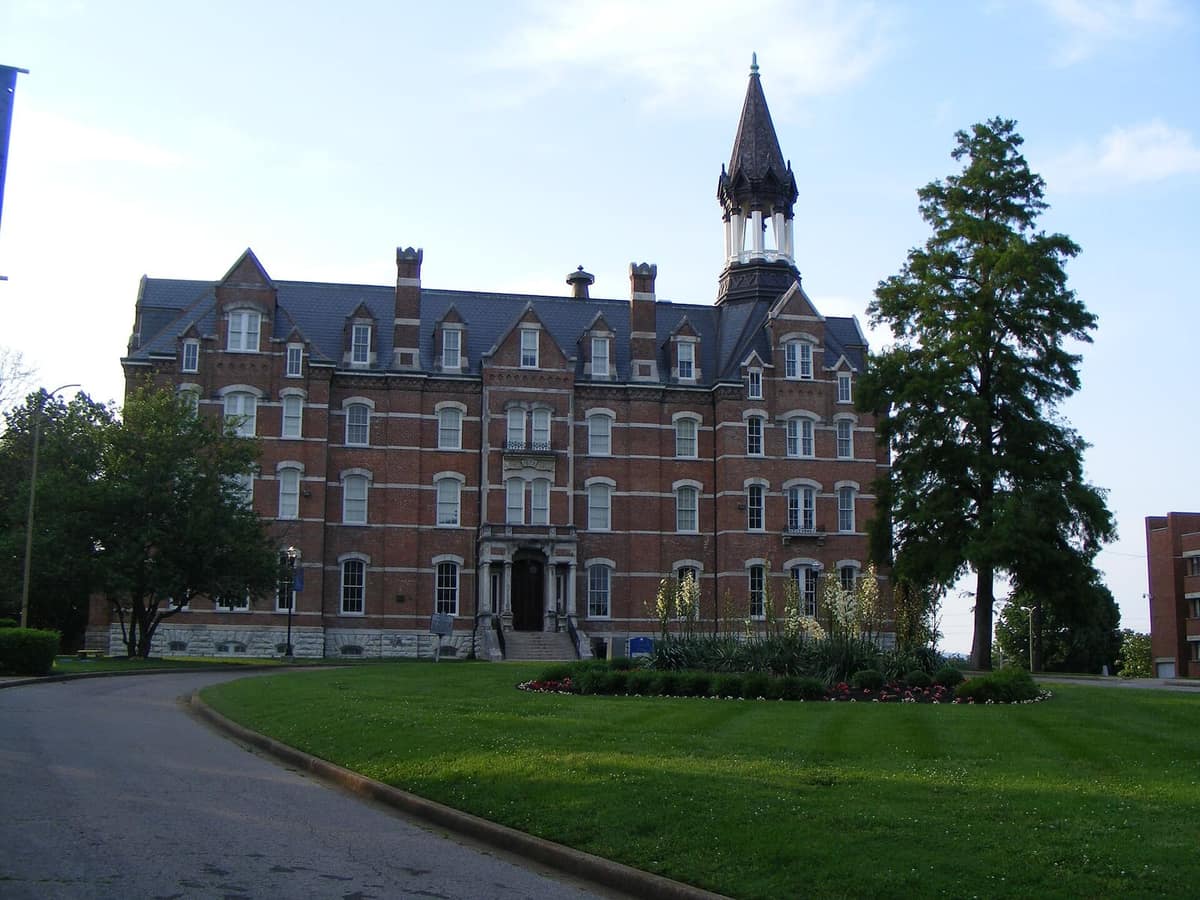
Fisk University
Nashville. Private. Founded 1866.
~1,000 students
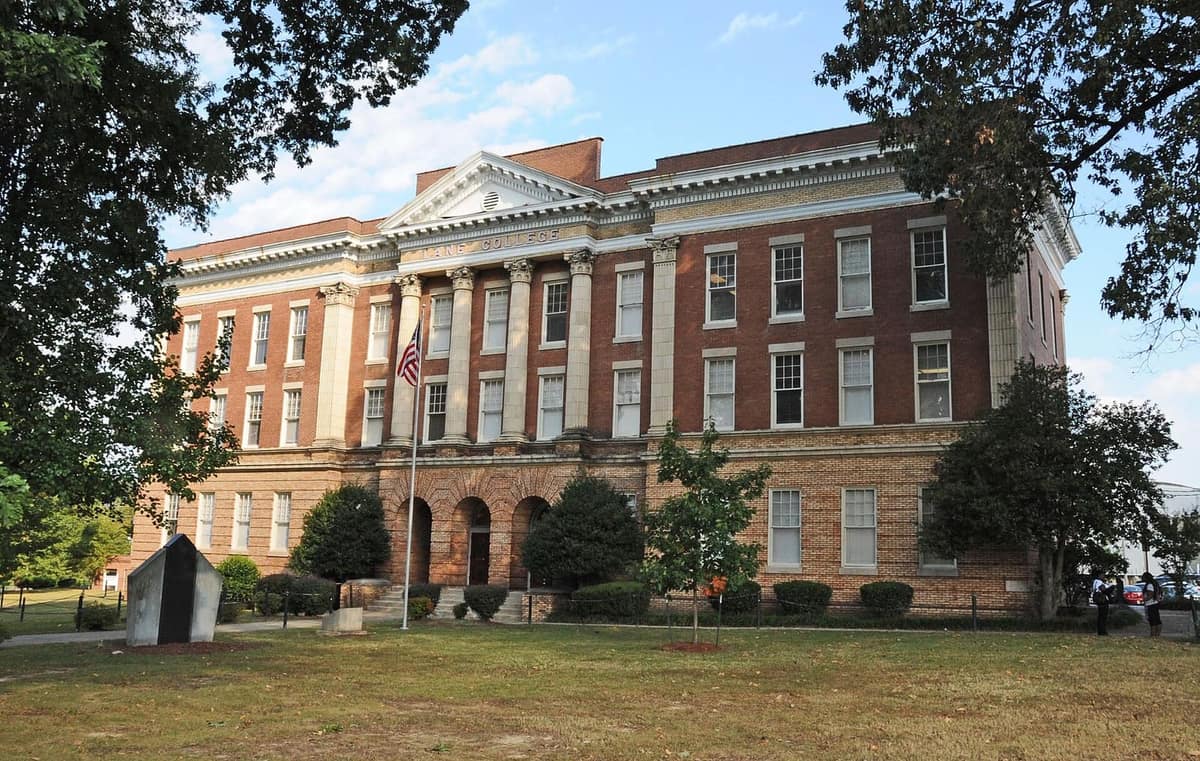
Lane College
Jackson. Private. Founded 1882.
~820 students
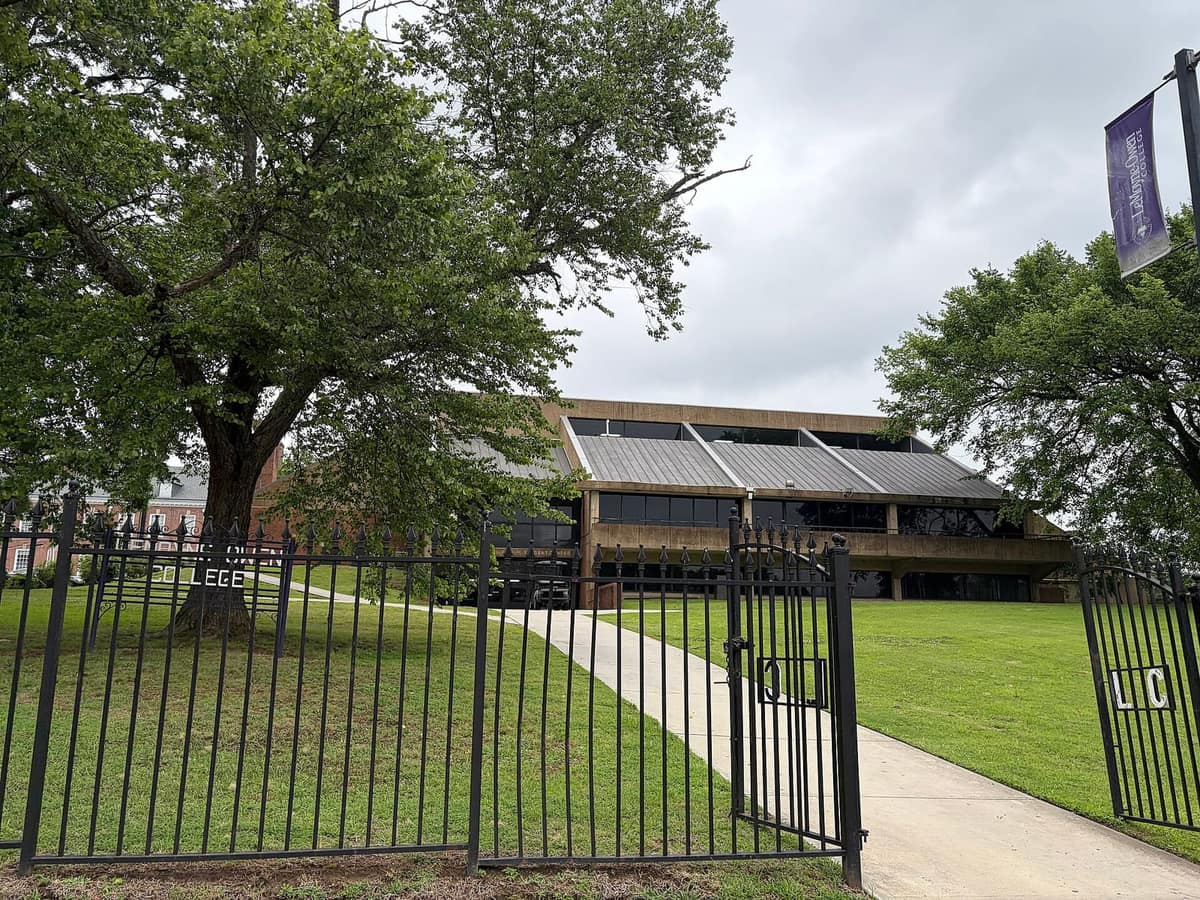
LOC
(Le Moyne-Owen College)
Memphis. Private. Founded 1862.
~650 students
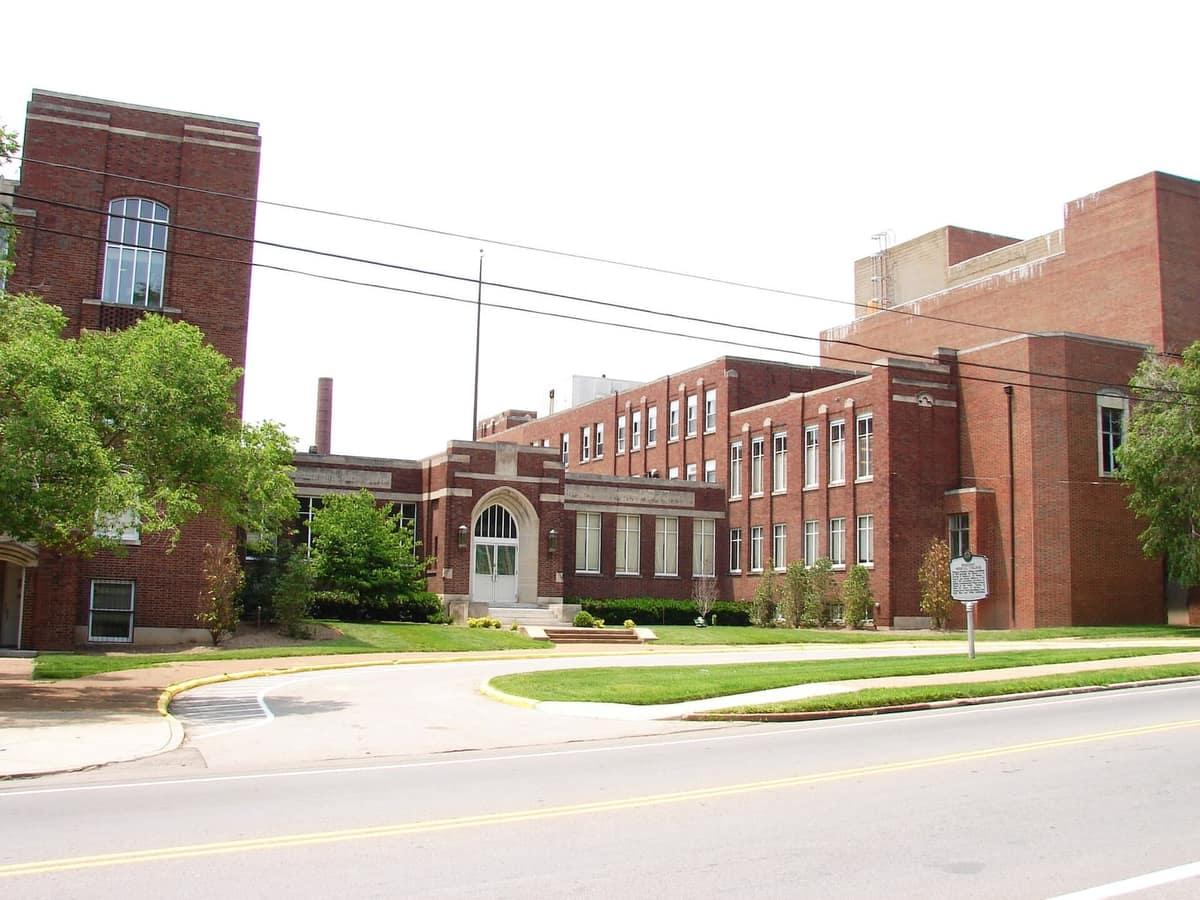
Meharry
(Meharry Medical College)
Nashville. Private. Founded 1876.
~1,100 students
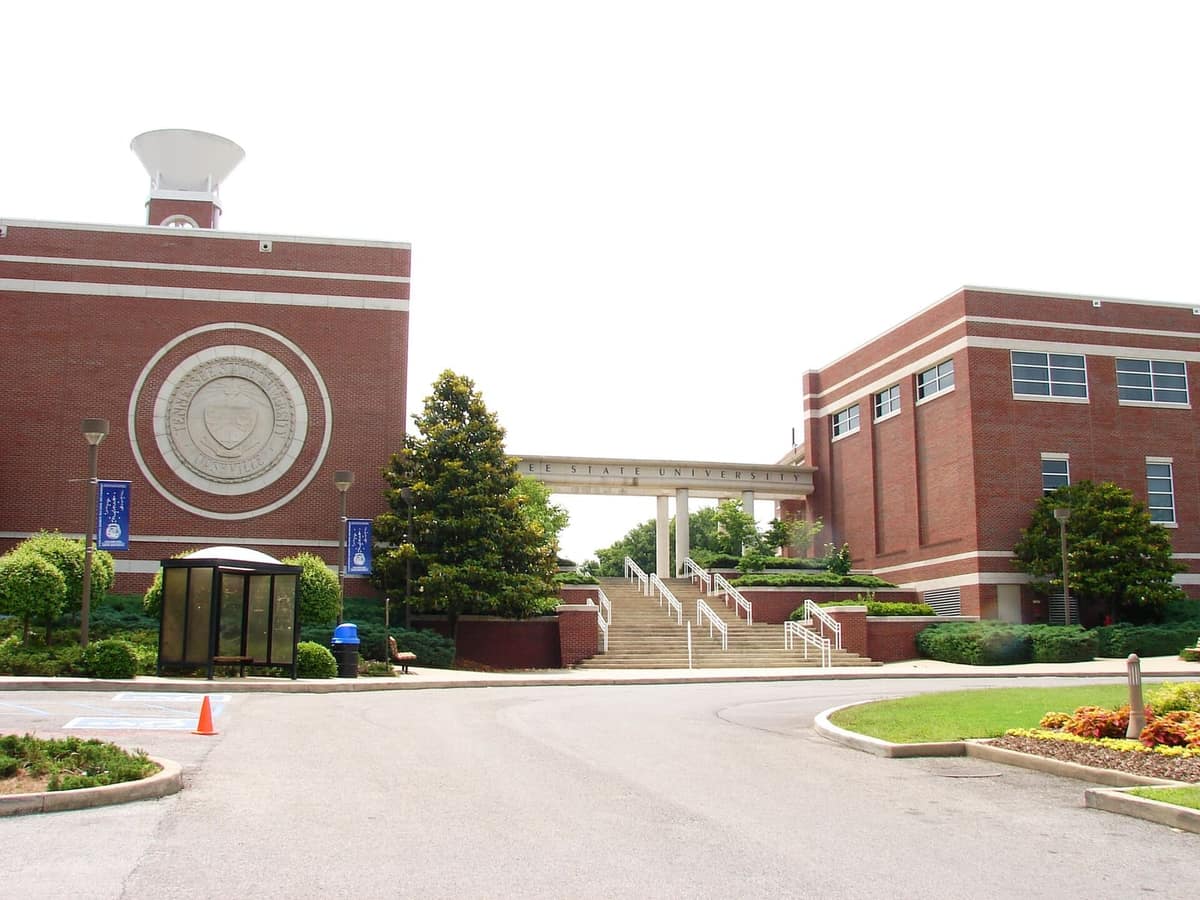
Tennessee State University
Nashville. Public. Founded 1912.
~8,200 students
Texas 9
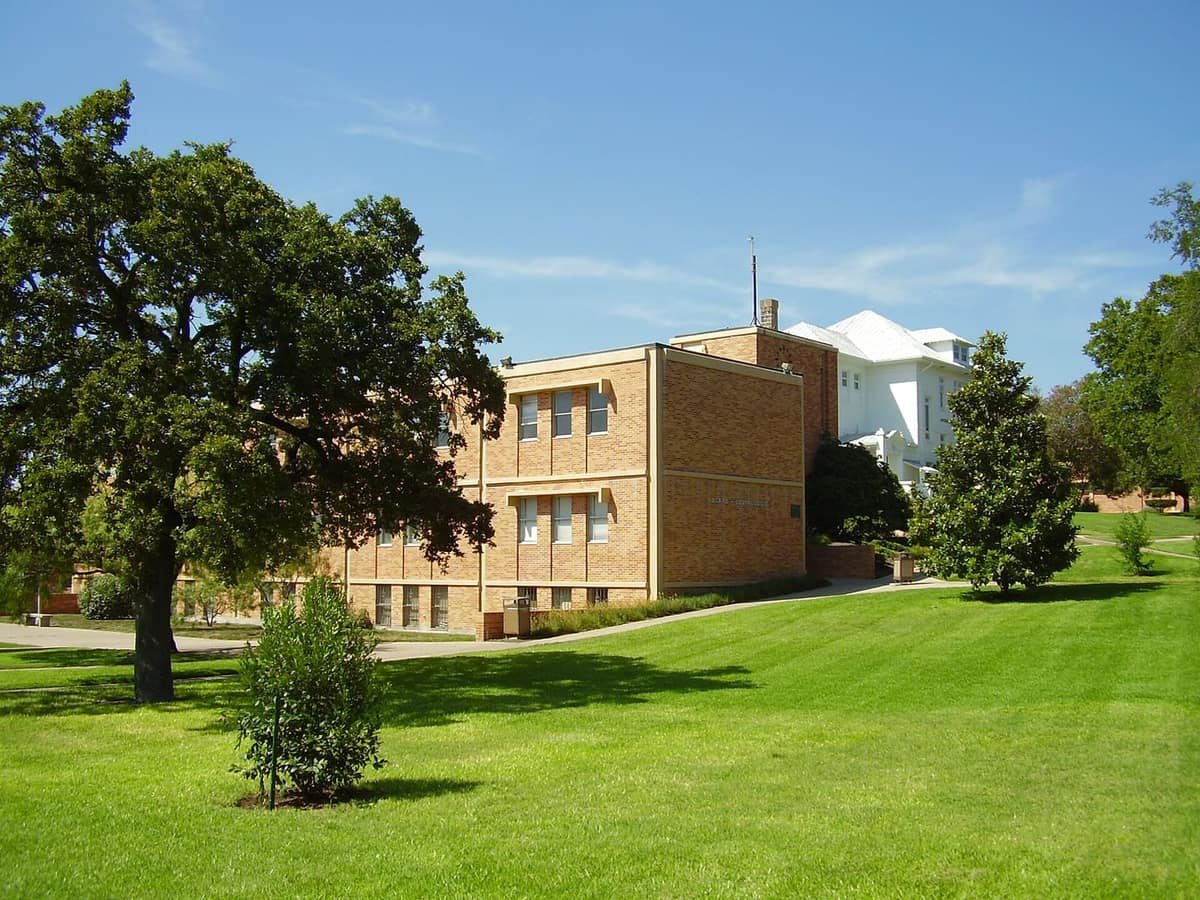
Huston-Tillotson University
Austin. Private. Founded 1875.
~1,000 students
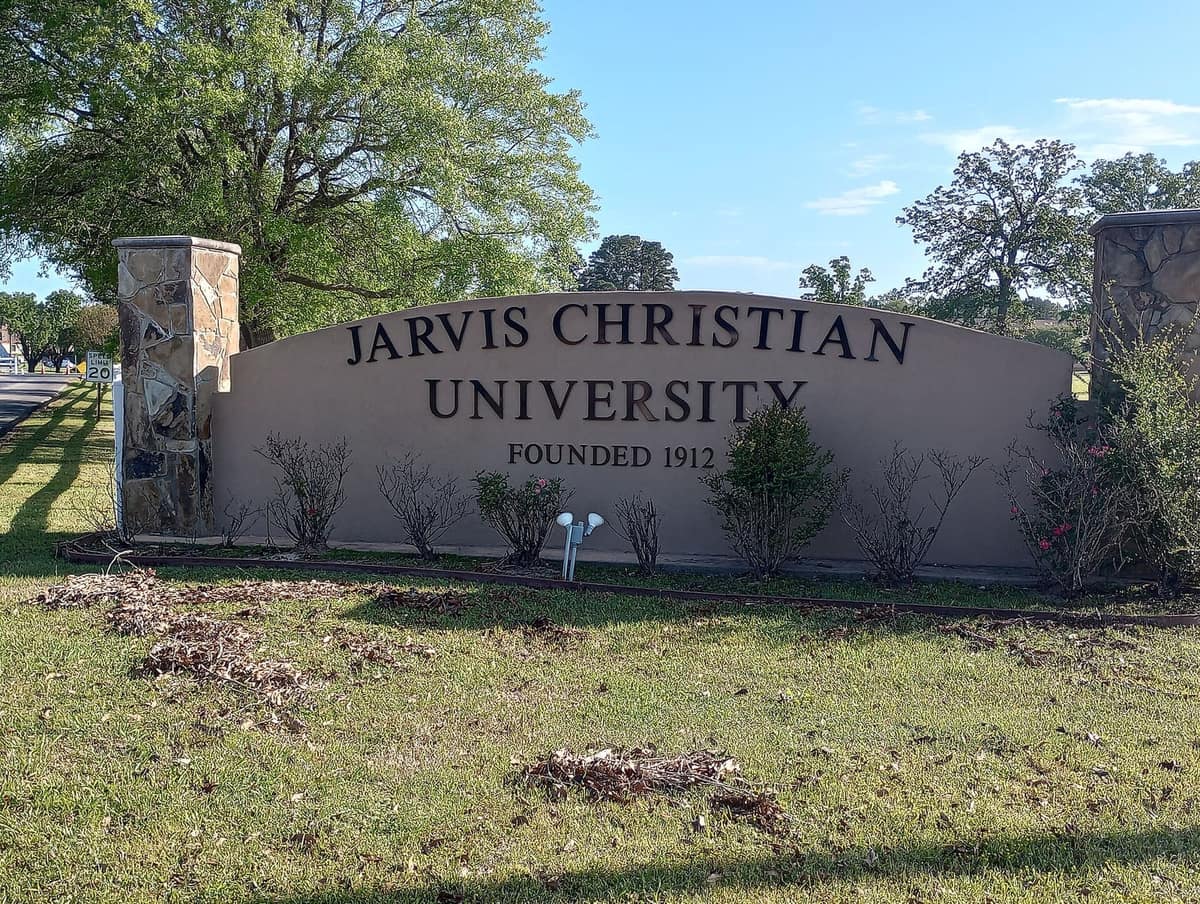
Jarvis Christian University
Hawkins. Private. Founded 1912.
~800 students
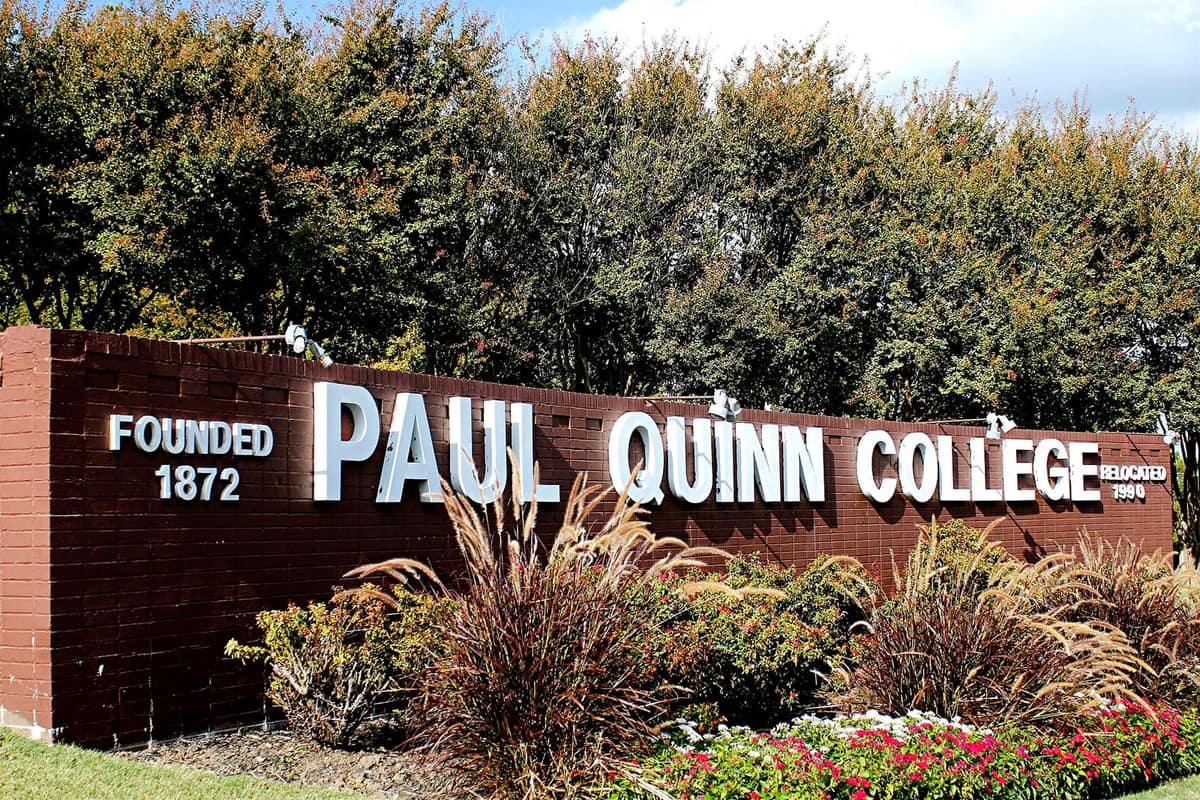
Paul Quinn College
Dallas. Private. Founded 1872.
~600 students
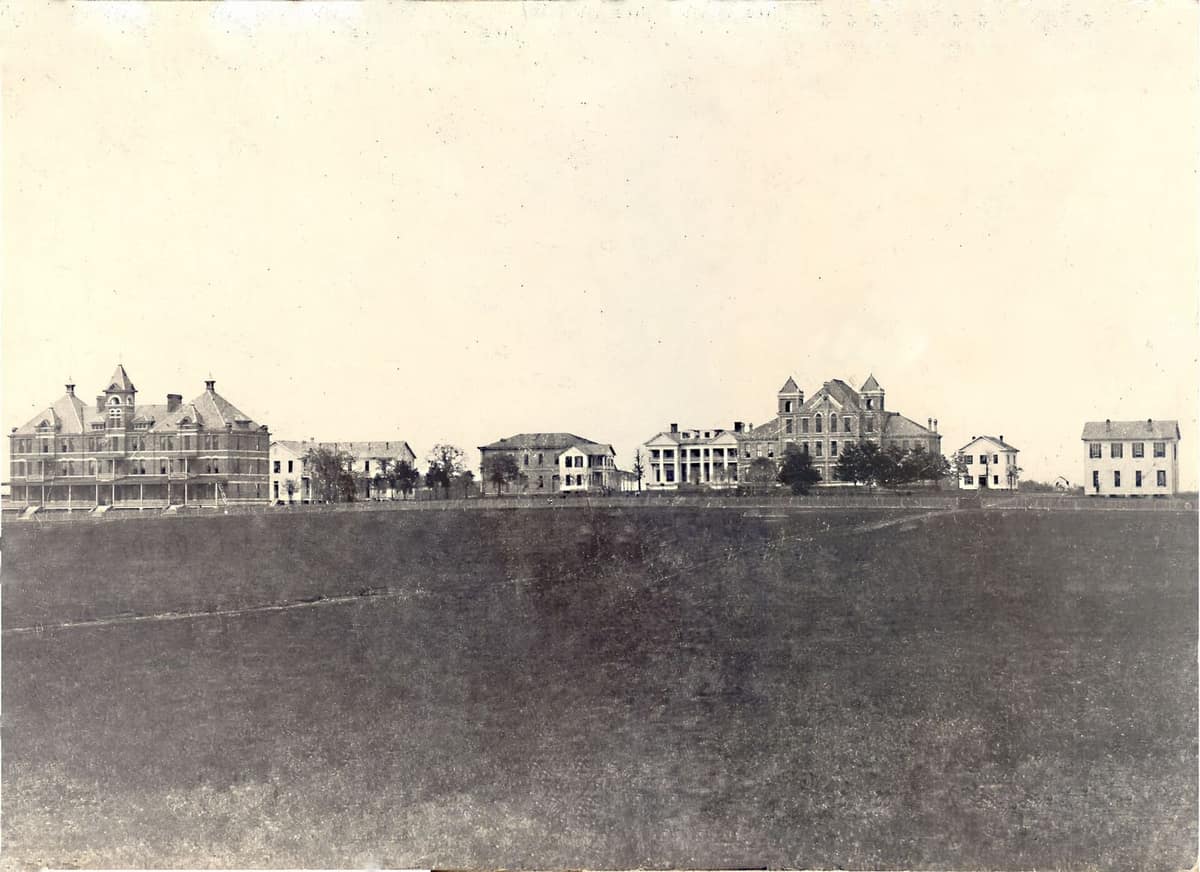
PVAMU
(Prairie View A & M University)
Prairie View. Public. Founded 1876.
~9,500 students
Southwestern Christian College
Terrell. Private. Founded 1948.
~130 students
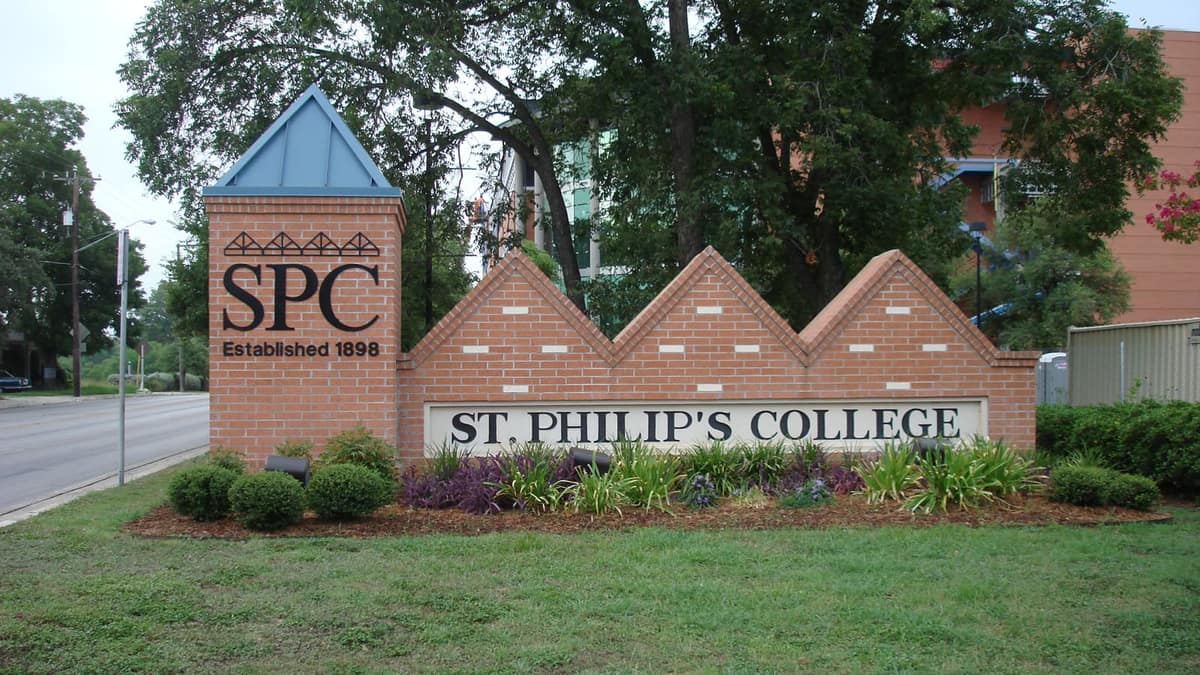
SPC
(St Philip's College)
San Antonio. Public. Founded 1898.
~14,000 students · Phil the Tiger
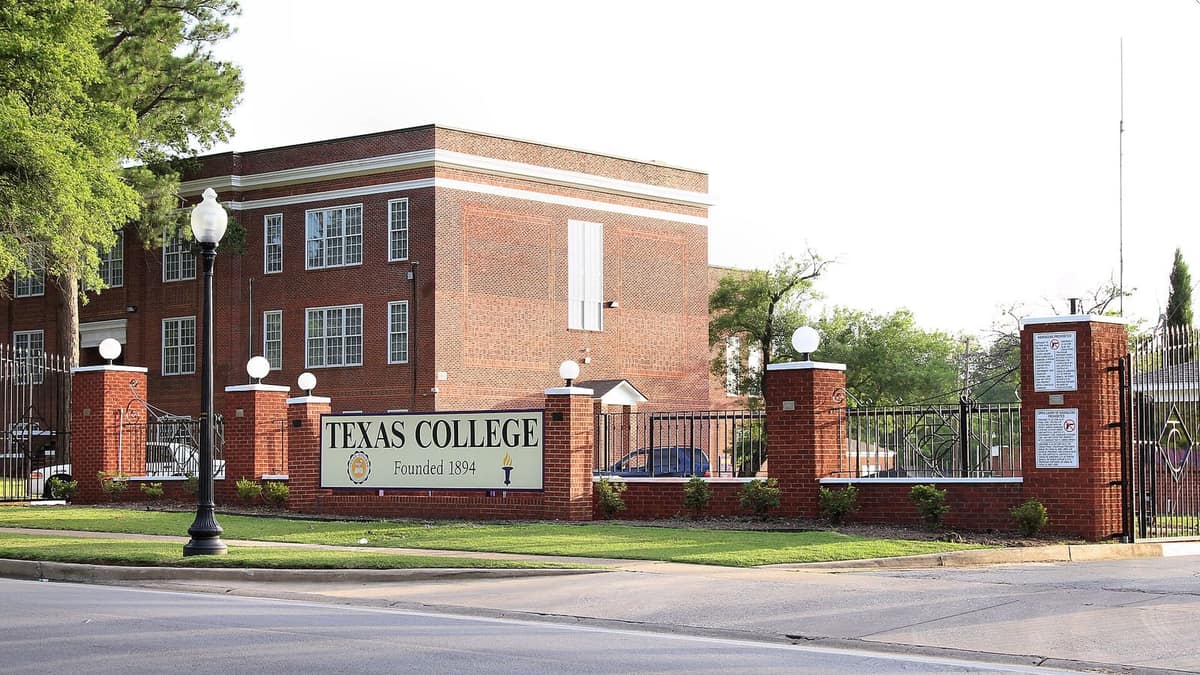
Texas College
Tyler. Private. Founded 1894.
~640 students · Steer
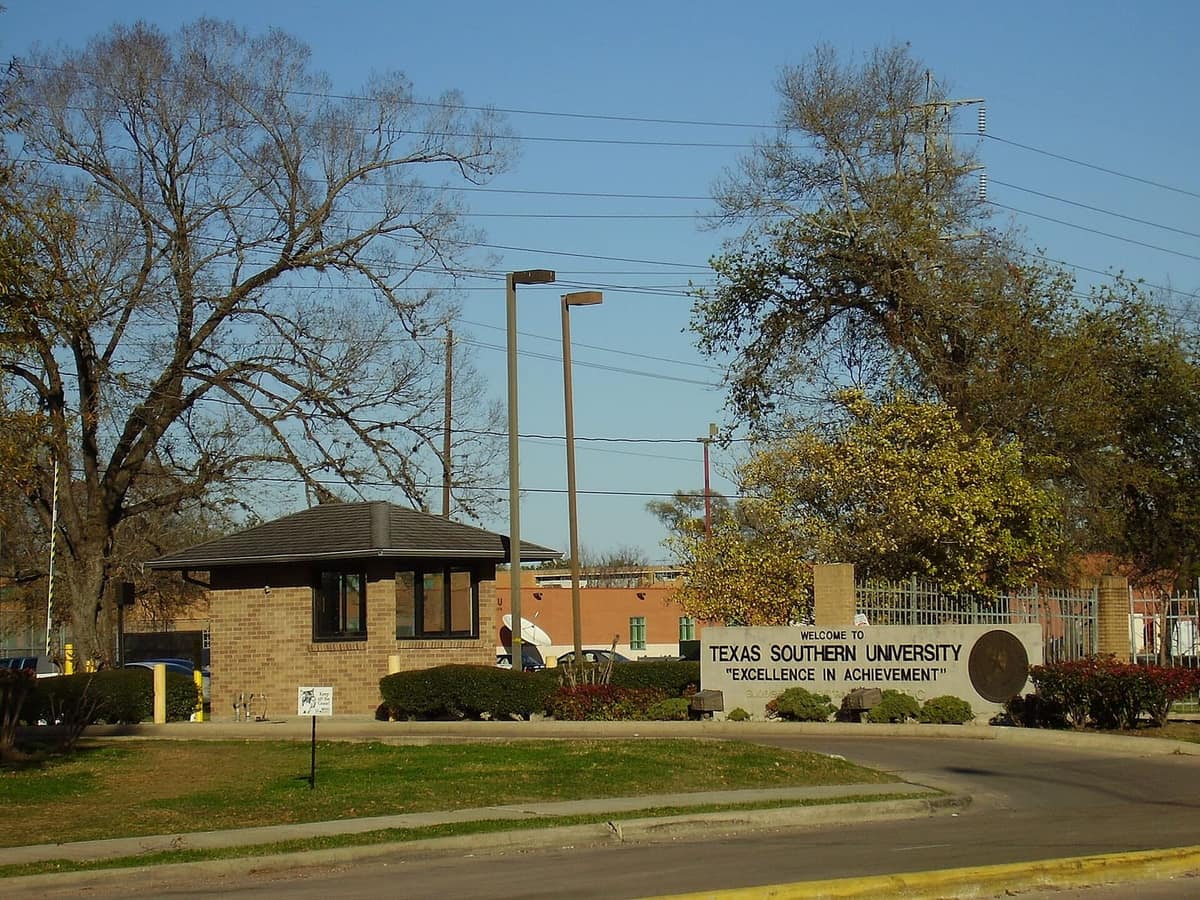
Texas Southern University
Houston. Public. Founded 1947.
~8,500 students · Tigers
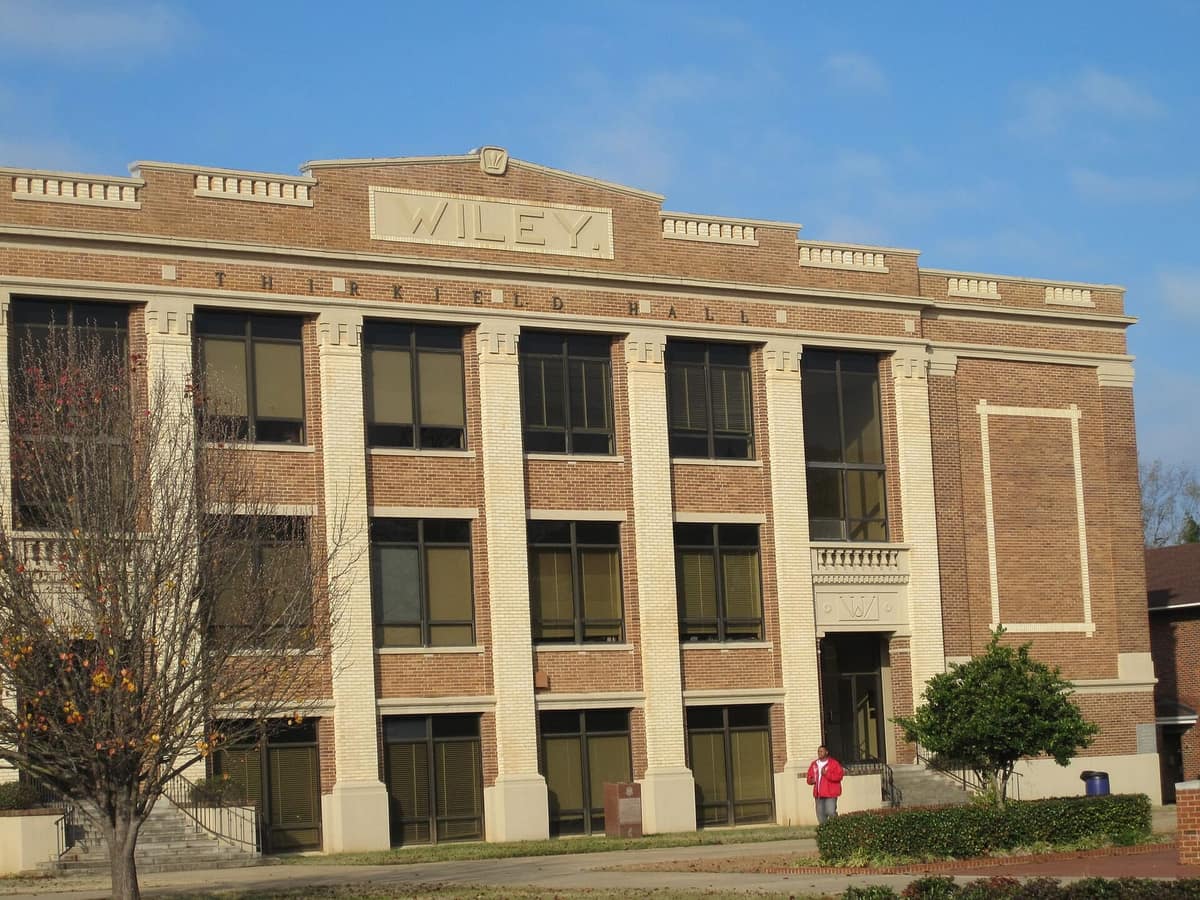
Wiley University
Marshall. Private. Founded 1873.
~640 students
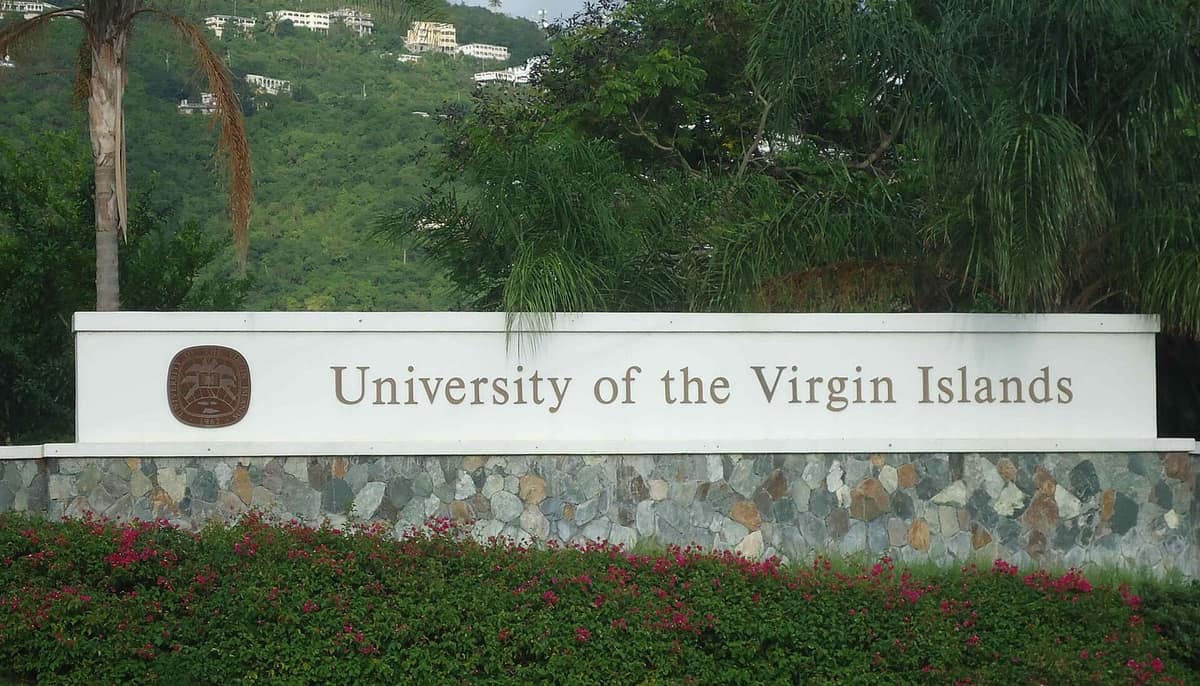
U.S. Virgin Islands 1
Virginia 5
Hampton University
Hampton. Private. Founded 1868.
~3,600 students
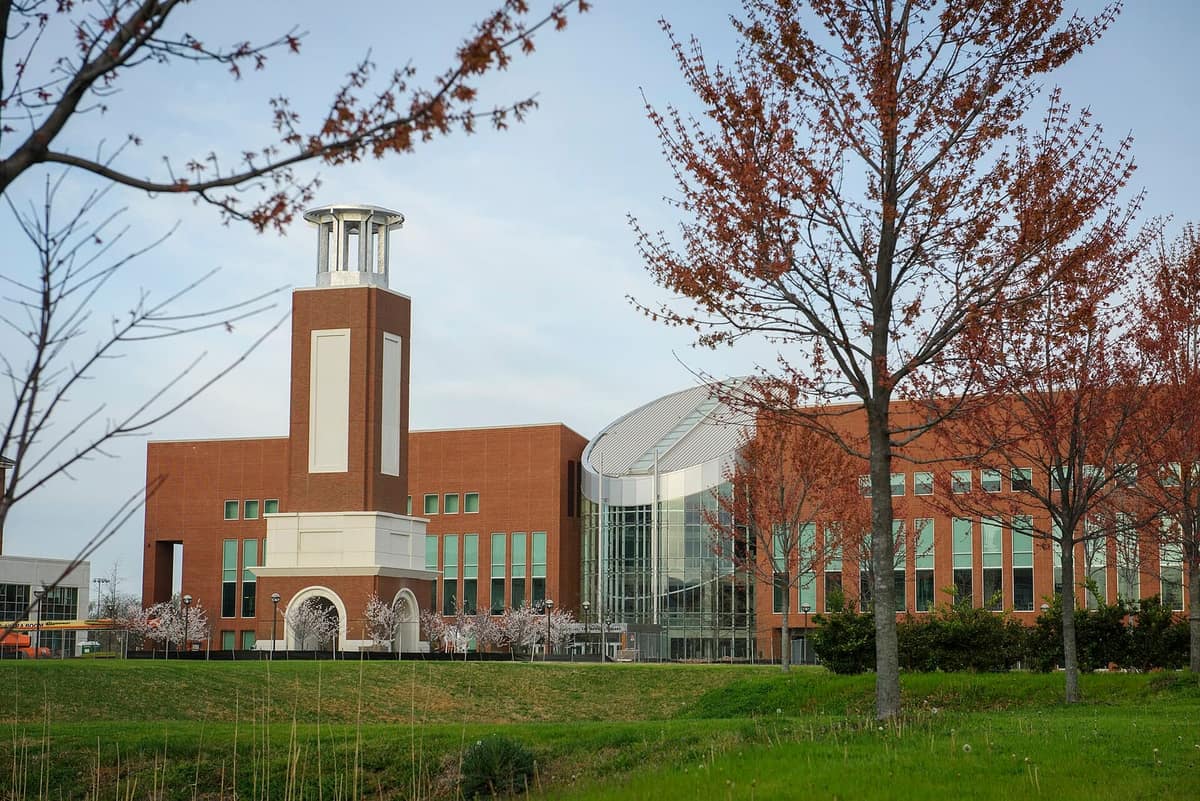
NSU
(Norfolk State University)
Norfolk. Public. Founded 1935.
~6,000 students
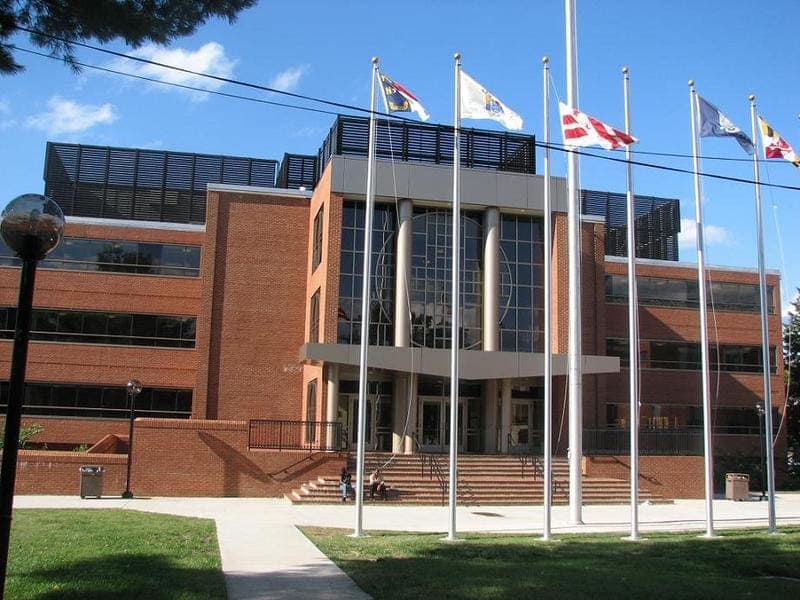
VSU
(Virginia State University)
Petersburg. Public. Founded 1882.
~5,200 students
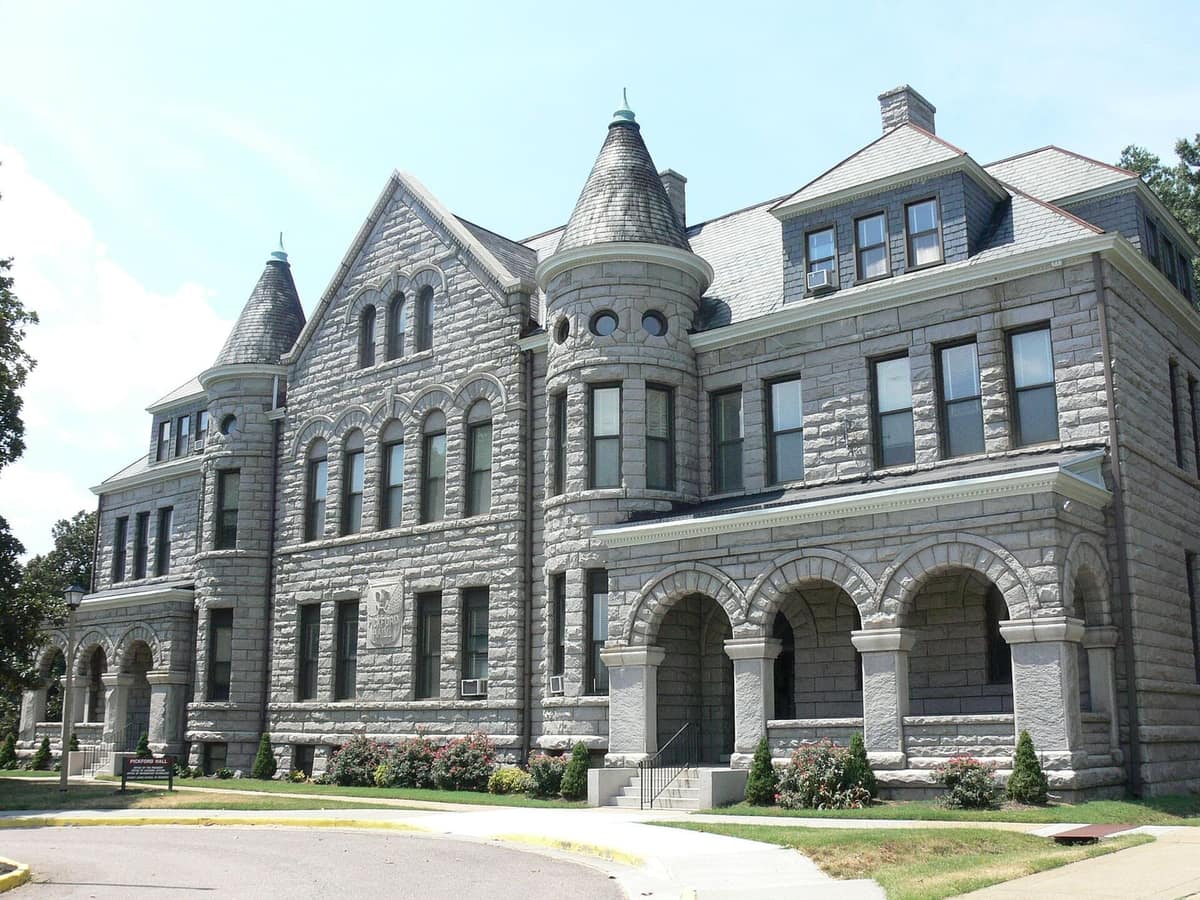
VUU
(Virginia Union University)
Richmond. Private. Founded 1865.
~1,700 students
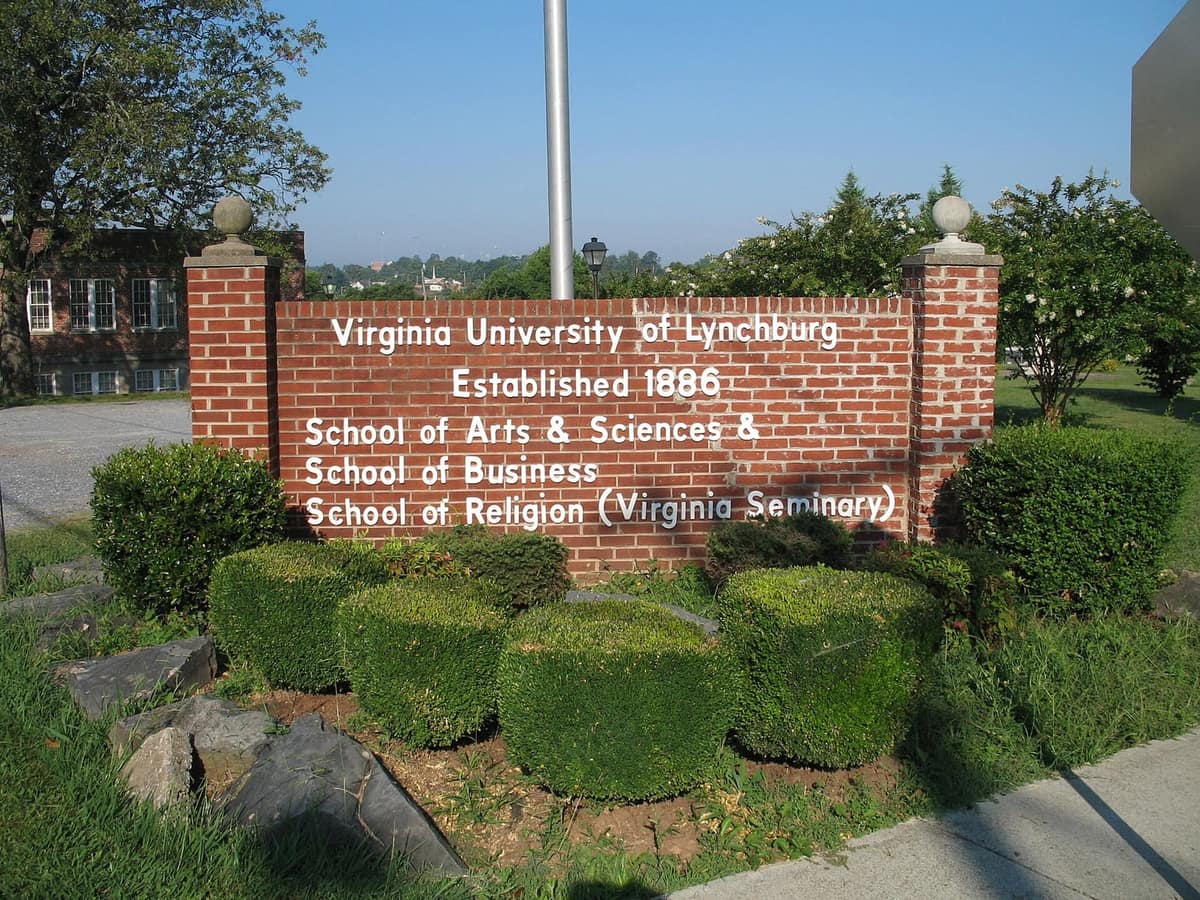
Virginia University of Lynchburg
Lynchburg. Private. Founded 1886.
~590 students
Where we are confident, and where we are not
Every one of the 102 schools is on this page. For 102 of them the pin is the campus location on the official directory, used as published and never geocoded, with the street address from the same record. No school is left at a city center. Each record page says in one sentence where its location comes from. No city center is ever presented as a campus.
Sources
102 schools, one record each, from the IPEDS Institutional Characteristics, Directory information (HD2024) file dated 2025-09-21. Each record notes whether it also appears on the Office of Postsecondary Education's Title III Part B list dated 2026-06-08, which states 100.
- U.S. Department of Education, National Center for Education Statistics. IPEDS Institutional Characteristics, Directory information (HD2024), 2024-25 provisional data collection. https://nces.ed.gov/ipeds/datacenter/data/HD2024.zip. File dated 2025-09-21.
- U.S. Department of Education, Office of Postsecondary Education. Higher Education Programs Eligibility Matrix, sheet 'HBCU', dated 2026-06-08. https://www.ed.gov/media/document/fy-2026-higher-education-programs-eligibility-matrix-june-8-2026-114185.xlsx.
- Campus coordinates and street addresses: the LATITUDE, LONGITUD, and ADDR columns of the same IPEDS directory file, used as published.
- U.S. Census Bureau Geocoder, batch address service, benchmark Public_AR_Current (the earlier exact-match pass, kept on each record as a second check). https://geocoding.geo.census.gov/geocoder/.
- Each school's own history page, cited on its record. Student counts: the federal IPEDS fall enrollment file, cited on each record with the exact figure.
Machine-readable: /api/v1/hbcus
These campuses have gathered generations. TheCookout is where the newBWS community gathers now. Pull up a plate.